
Reviewed · AMSTERDAM RED LIGHT DISTRICT TOURS
Amsterdam: Red Light District Tour
Amsterdam’s Red Light District is not just a row of red-lit windows. It is one of the city’s oldest neighborhoods, shaped by trade, religion, law, tourism, and changing ideas about sex and drugs. This tour gives you that wider picture from the streets around De Wallen, guided by local resident Manouk.
I like the way the tour explains why the Netherlands developed a tolerant approach instead of treating the area as a sideshow. I also like the practical handoff at the end: you receive a map for the part guides cannot enter, plus a small cheeky gift. The main drawback is clear: since 2020, guided tours are prohibited inside the heart of the district, so you will not walk the central red-light streets with the guide.
Key points to know before you book
- Local guide Manouk: Expect a friendly, relaxed guide who explains sensitive subjects plainly and welcomes questions.
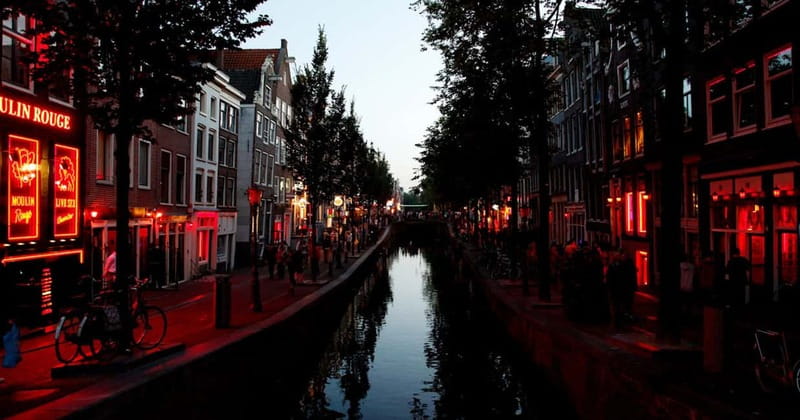
- A tour around the district, not through its center: The route follows the outskirts, then gives you information for exploring De Wallen independently.
- More than window sightseeing: You will hear about prostitution laws, sex worker challenges, Amsterdam’s drug policy, and coffee shop culture.
- A useful first-day activity: The route covers several central landmarks, helping you get your bearings early in your stay.
- Good value at $25: For 90 minutes with a guide, historical context, a map, and a small gift, the price is reasonable.
- Bring comfortable shoes: This is a walking tour with stops at Beursplein, Dam Square, Warmoesstraat, Zeedijk Street, and Nieuwmarkt Square.
What this Amsterdam Red Light District tour is really about
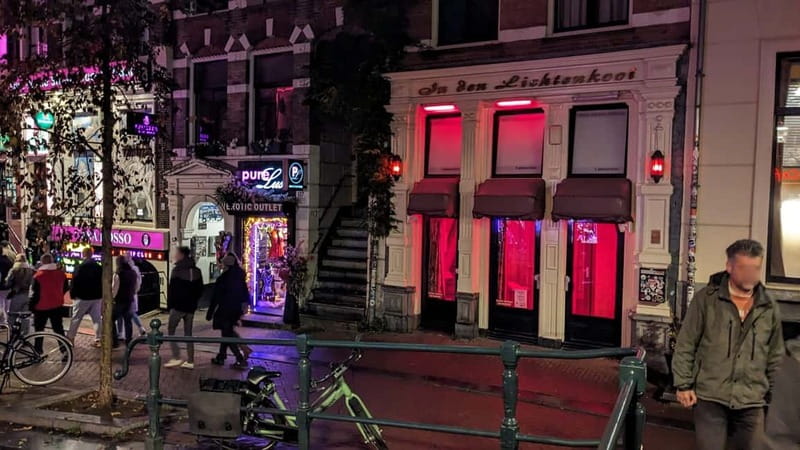
The biggest value here is context. You can walk through De Wallen alone and see the lights, shopfronts, canals, and crowds. What you will not easily see is how prostitution became regulated, why coffee shops have a particular place in Dutch public life, and why the district remains the subject of political debate.
Manouk’s approach, based on the supplied tour details and repeated praise for her clear explanations, is conversational rather than theatrical. She explains daily life for sex workers, the long history of the profession in Amsterdam, and current problems facing people who work in the industry. That matters because the district is easy to reduce to a joke or a photo stop.
You also get a local perspective. Manouk lives in Amsterdam and shares what it is like to live near an area that receives intense international attention. The tour is designed to make you ask better questions, not simply point at the most famous windows.
This is not a visit inside a brothel, a coffee shop, or any other business. It is a guided walk through the surrounding streets, with information that helps you understand what you are seeing. The subject matter is adult and direct, so I would choose another activity for very young children.
More Red Light District tours:
- Amsterdam: Red Light Secrets Museum Entry Ticket
★ 4.2 · 5,722 reviews - Amsterdam: Red Light District Tour in German/English/Italian
★ 4.9 · 5,623 reviews - Amsterdam Red Light District & Coffee Shop Tour
★ 4.6 · 4,134 reviews
Starting at Beursplein, where the city opens up
The meeting point is Beursplein, the square near Bistro Berlage. You are told to wait at the bottom of the stairs by the large black lantern, where the guide holds a sign marked Guidance. That precise landmark is useful in a busy central area, especially if you are arriving after dark or meeting a private group.
Beursplein is a sensible starting point because it places you between Amsterdam’s major shopping streets, Dam Square, and the older canal district. The tour begins with about 10 minutes of guided sightseeing here. I would arrive a little early, locate the lantern, and keep your phone available in case you need to identify the group.
The starting area also gives the guide room to set expectations. Since guided walks through the central Red Light District are restricted, you should listen carefully at the beginning so you understand which parts you will see with Manouk and which part you will later explore on your own.
Dam Square and the reasons behind Amsterdam’s tolerance
The next stop is Dam Square, with roughly 15 minutes for sightseeing and explanation. This is a useful place to discuss Amsterdam’s wider development because the square connects royal, civic, commercial, and religious parts of the city.
Here, the tour turns toward the reasons behind the country’s comparatively liberal attitude to sex and drugs. That does not mean everything is legal without limits, and the point of the walk is partly to explain those distinctions. You will hear about tolerance, regulation, and the gap between public policy and the way visitors often describe Amsterdam.
I like this part because it keeps the Red Light District from becoming an isolated oddity. The district developed within the city, not outside it. You are still close to everyday Amsterdam, with ordinary streets and residents alongside businesses aimed at adult visitors.
The stop is also a good test of the guide’s style. This subject can become either preachy or sensational. The tour aims for a more useful middle ground, using history and current issues to explain how the area works.
Warmoesstraat, one of the route’s older corridors
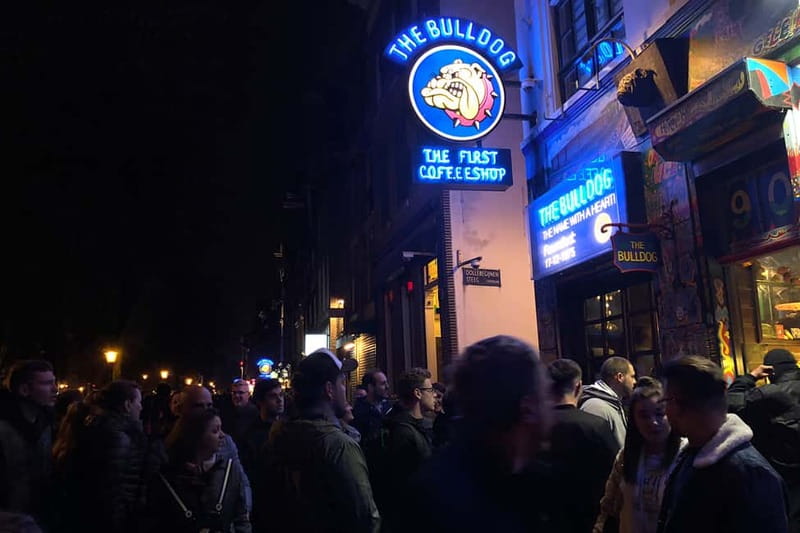
The walk continues to Warmoesstraat for about 10 minutes of guided sightseeing. This street helps connect the modern image of the district with Amsterdam’s older commercial past. You are not simply being led from one famous sign to another. The guide uses the street to explain how the neighborhood changed over time and how its businesses fit into the city.
Warmoesstraat is also where you may notice the practical limitation of this activity. The tour follows the edge of the main district, so you should not expect a slow guided stroll down every central lane. That restriction can feel disappointing if you booked specifically to enter De Wallen with a guide.
Still, the outside route has a benefit. You can discuss the area without adding another tour group to the most sensitive streets. The walk treats the neighborhood as a place where people live and work, not merely as a stage for visitors.
Same city, a completely different afternoon:
- Amsterdam Classic Saloon Boat Cruise with Drinks and Cheese
★ 5.0 · 31,825 reviews - Amsterdam Luxury Canal Cruise + Unlimited Drinks & Bites option
★ 5.0 · 30,518 reviews - Amsterdam: Heineken Experience Ticket
★ 4.6 · 30,055 reviews - Amsterdam: Rijksmuseum Entry Ticket
★ 4.7 · 25,535 reviews
Zeedijk Street and coffee shop culture
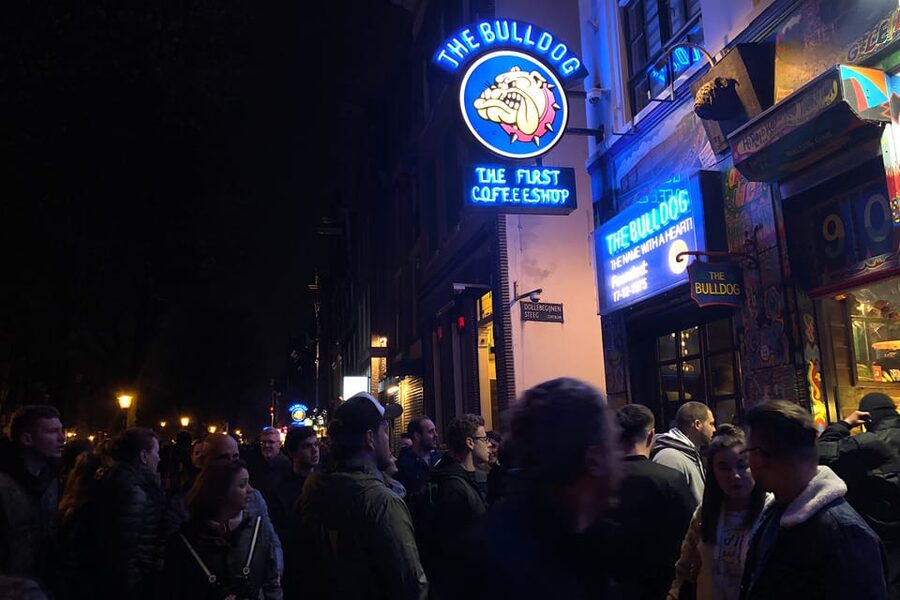
At Zeedijk Street, you have about 15 minutes for a photo stop, sightseeing, and explanation. This is one of the route’s more useful pauses because it gives you time to take in the street while hearing about coffee shops and their place in Amsterdam’s culture.
The tour does not present coffee shops as a simple tourist attraction. Instead, it explains the city’s drug policy and the cultural role these businesses have acquired. That distinction is important. Amsterdam’s approach is often misunderstood abroad, and a short explanation can prevent you from assuming that all drugs are freely legal or that every coffee shop operates in the same way.
You will also have a chance to ask questions. The guide’s repeated emphasis on open conversation is one of the strongest reasons to choose this activity. If you are unsure about local terms, rules, or customs, ask directly rather than relying on stereotypes.
Remember that alcohol and drugs are not allowed on the tour. You are there to learn about the subject, not to consume anything as part of the walk.
Nieuwmarkt Square and the human side of the district
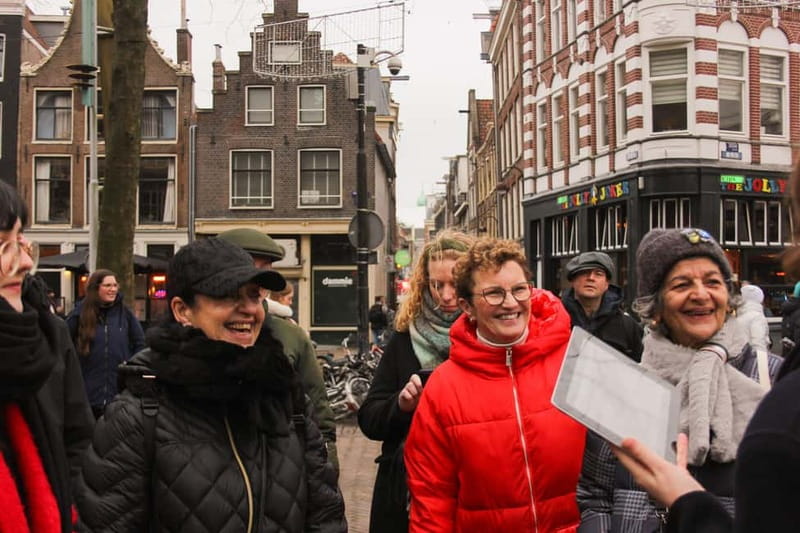
The route reaches Nieuwmarkt Square for another 15-minute stop. This is a good point to bring the discussion back to people. The tour covers the daily lives of sex workers, the legal status of prostitution, and the difficulties that workers face today.
That human focus is essential. The windows and neon signs attract attention, but the people working behind them are not scenery. You will hear about the profession’s long history as well as more recent controversies and current challenges. The goal is to reduce stigma without pretending that the industry has no difficult or contested parts.
Nieuwmarkt also works well as a pause in the 90-minute walk. You will have already covered several central streets, so a stop with time for questions keeps the experience from becoming a nonstop stream of facts. Manouk is frequently praised for making people feel comfortable asking questions and for balancing serious information with humor.
I would use this section of the tour to ask about the difference between legalization and tolerance. Those words are often used loosely, but the tour is designed to explain the Dutch approach in more practical terms.
Reaching De Wallen, then exploring on your own
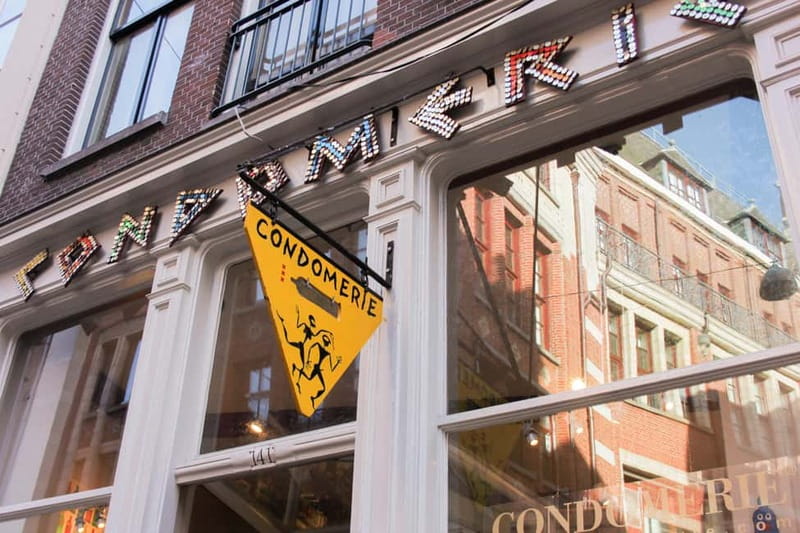
The route culminates at De Wallen, the name commonly used for Amsterdam’s central Red Light District. This is the part of the experience where expectations matter most. Guides are not permitted to lead tours through the main district since 2020, so Manouk does not accompany you through the last stretch.
Instead, you receive a map with information for exploring independently. This is a smart compromise, although it does change the feel of the tour. You get the background and local explanation first, then decide how much of the central area you want to see yourself.
The map is especially useful if this is your first visit. You can refer back to what you learned about respectful behavior, the district’s layout, and the businesses you may encounter. I would keep the map and avoid treating the central streets like a free-for-all photo set. The tour’s emphasis on sex workers as people, rather than attractions, should guide your behavior afterward.
There is one small logistical inconsistency in the supplied details: the route description lists De Wallen as the finish, while the meeting-point information says the activity ends back at Beursplein. Ask the guide at the start where the final handoff will take place. Either way, you should expect the main guided portion to cover the surrounding streets and the map to help with the final independent exploration.
What the $25 price gets you
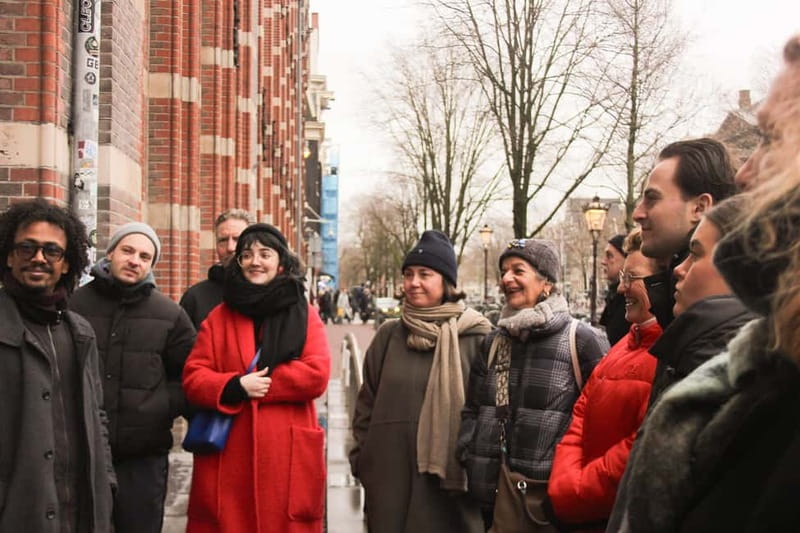
At $25 per person, this is a fair price for a 1.5-hour guided walk in central Amsterdam. You are paying for a live guide, local knowledge, historical explanation, time for questions, a map, and a small gift. The map adds value because the guide cannot accompany you into the most famous section.
The price makes the most sense if you book early in your Amsterdam stay. Several stops also serve as a basic orientation walk through the center, and the guide can provide recommendations for the rest of your visit. Manouk is described as approachable and willing to suggest food and activities beyond the district itself.
A private group is available if you want a more personal format. The standard option is a group tour, but the supplied information does not specify the usual group size. If privacy or extra question time matters to you, select the private option when available.
You can cancel up to 24 hours before the activity for a full refund, and you can reserve now while paying later. Those policies make it easier to fit the tour into a changing Amsterdam schedule.
Who should book this walk
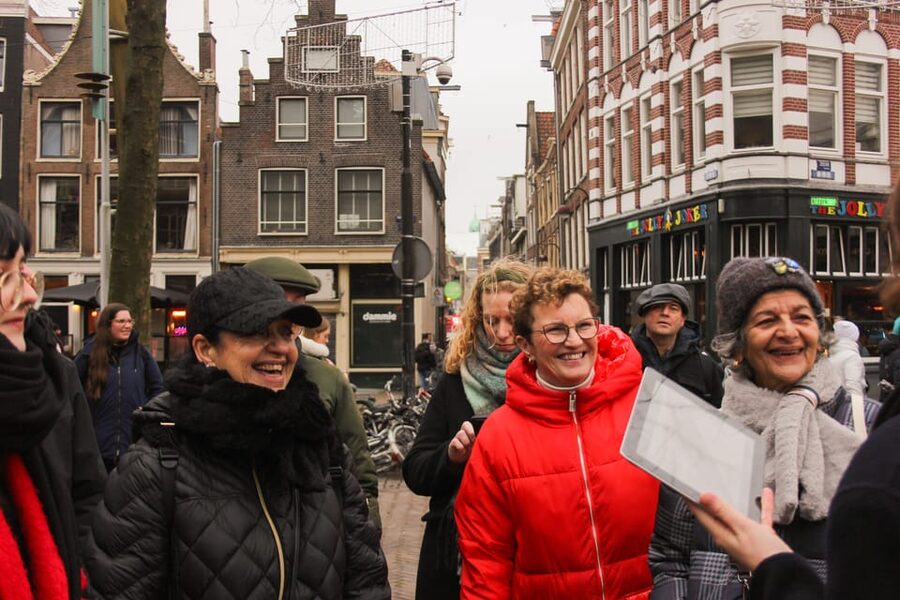
I would choose this tour if you want history, social context, and a local explanation rather than a quick neon-lit stroll. It suits first-time visitors who want to understand the district before exploring it independently.
It is also a good fit if you are curious about Dutch policy, sex work, coffee shops, and the tension between tourism and local life. The guide’s open question format helps if you have always wondered how the district operates but did not know what was appropriate to ask.
The tour may not suit you if your only goal is to walk directly through the central red-light streets with a guide. That is not what this activity provides. You also need to be comfortable discussing adult subjects in a group setting.
The tour is listed as wheelchair accessible, but the supplied information does not describe the exact street conditions or route surfaces. If you use a wheelchair, confirm the route details before booking.
Practical advice for a smoother experience
Wear comfortable shoes. The tour lasts 90 minutes and includes several walking sections between the stops.
Book this near the beginning of your stay if you want the guide’s recommendations to shape your other plans. If you are mainly interested in taking photographs, remember that the walk is focused on explanation and respectful sightseeing, not on collecting images of sex workers or private businesses.
English and Dutch are available. Alcohol and drugs are not allowed, so arrive ready for a walking lesson rather than a nightlife activity.
Finally, give yourself enough time to find Beursplein. Wait at the bottom of the stairs near Bistro Berlage and look for the large black lantern and the sign marked Guidance.
Should you book the Amsterdam Red Light District Tour?
Book it if you want the district explained by a local guide who can discuss prostitution, coffee shops, policy, and current sex worker concerns without turning the neighborhood into a punchline. Manouk’s friendly manner, clear explanations, humor, and willingness to answer questions are central to the experience.
Do not book it expecting a guided walk down the main red-light streets. The tour stays around the outskirts, then sends you onward with a map. For many people, that arrangement offers a better introduction: you get the facts and etiquette first, then decide how to explore De Wallen for yourself.
At $25, this is a sensible choice for a first or second day in Amsterdam, especially if you value local perspective over spectacle.
FAQ
How long does the Amsterdam Red Light District Tour last?
The tour lasts 1.5 hours. Check availability for the available starting times.
How much does the tour cost?
The listed price is $25 per person.
Where does the tour start?
The meeting point is Beursplein. Wait at the bottom of the stairs of Bistro Berlage, near the large black lantern. The guide will hold a sign marked Guidance.
Does the guide take the group through the main Red Light District?
No. Guided tours inside the Red Light District have been prohibited since 2020. The tour explores the surrounding streets, and you receive a map for exploring the final stretch independently.
Where does the tour finish?
The route description lists De Wallen as the finish, while the meeting-point information says the activity ends back at Beursplein. Confirm the final meeting point with the guide when you arrive.
What languages are available?
The live tour guide is available in English and Dutch.
Is the tour wheelchair accessible?
Yes, the activity is listed as wheelchair accessible.
Can I book a private group?
Yes. A private group option is available.
What is included in the price?
The price includes the walking tour, a guide, a map with information for the last stretch, and a small gift.
Newest Amsterdam write-ups
- Zaanse Schans: Half-Day Private Guided Tour★ 5.0 · 4 reviews
- Zaanse Schans: Private Cruise + Live Guide, Optional Drinks★ 4.7 · 26 reviews
- Zaanse Schans: Wooden Shoe Painting Workshop★ 4.9 · 23 reviews
- Amsterdam: Private Zaanse Schans Windmills and Volendam Trip★ 4.9 · 31 reviews
- Zaanse Schans: Pancake Restaurant Visit★ 4.5 · 26 reviews
- Amsterdam: Zaanse Schans E-Bike Tour with Windmills & Cheese★ 4.5 · 12 reviews
- Zaandam: Paint a Perfect Portrait workshop★ 5.0 · 5 reviews
- Amsterdam Central Walking Tour★ 4.9 · 11 reviews
Amsterdam Red Light District Tours, compared.
Red Light District Tour in German/English/Italian
Read our review →
Amsterdam Red Light District & Coffee Shop Tour
Read our review →
Red Light District Pub Crawl with Unlimited Shots
Read our review →
Private Amsterdam Red Light District and Coffee Shop Tour
Read our review →Browse the lists this tour appears in