
Reviewed · AMSTERDAM RED LIGHT DISTRICT TOURS
Private Amsterdam Red Light District and Coffee Shop Tour
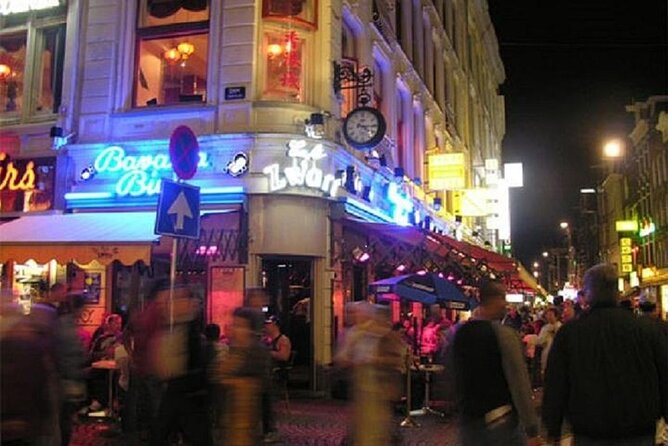
Amsterdam’s Red Light District makes far more sense when you understand the laws, history, and social rules behind it. This private walking tour looks past the easy jokes, taking you from Damrak through the Old Town and into the district with a local guide who explains what you are seeing.
I like the private format, which lets you ask direct questions and keep a relaxed pace. I also like the route’s mix of serious topics and odd little landmarks, from the Waag to the world’s first condom shop. The main drawback is that the tour may feel more like an introduction than a detailed exploration of every corner of the district.
Key points at a glance
- Private group experience: Only your party joins the walking tour, so questions and conversation are easier.
- A history-first approach: Learn how Amsterdam’s old harbor district, laws, and foundation piles shaped the area.
- Clear explanation of sensitive topics: Prostitution is legal in the Netherlands, while marijuana is tolerated under specific rules.
- Optional extras: You can upgrade to visit the Erotic Museum or enter a coffee shop with your guide.
- Strong guide feedback: Ben, Robin, Luis, Saskia, Esther, Fia, Catherine, and Aarie are among the guides praised for humor, clarity, and good local advice.
- Simple central route: Meet and finish on Damrak, near public transportation, with no hotel transfer included.
Why this tour is more than a Red Light District stroll
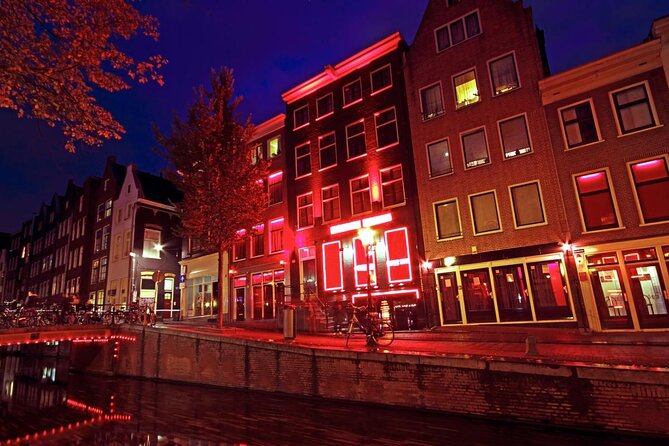
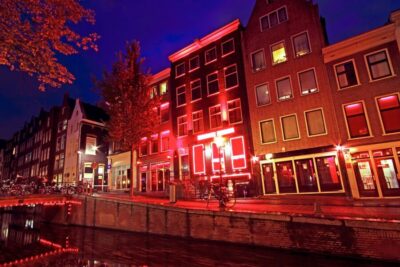
The usual first impression of the district can be noisy, crowded, and confusing. Red-lit windows, coffee shops, narrow lanes, old churches, pubs, and historic buildings all sit close together. Without context, it is easy to walk through, take a few pictures, and leave with more assumptions than understanding.
This tour gives you a framework. You learn why prostitution is legal in the Netherlands, how marijuana is tolerated, and how Amsterdam’s approach differs from a simple free-for-all. The guide also places the district within the older city, rather than treating it as a separate entertainment zone.
I especially like that the walk includes ordinary Amsterdam history. The route begins around Damrak and the Old Town, then connects the district to the city’s wooden foundations, former defensive walls, trading past, and surviving old buildings. That makes the experience more useful than a tour focused only on windows and coffee shops.
The private setup matters here. Sensitive subjects can bring awkward questions, especially in a family group or among people with different levels of comfort. A private guide can explain things without forcing your party to match the mood or pace of strangers.
More coffeeshop and cannabis tours:
- Amsterdam Red Light District & Coffee Shop Tour
★ 4.6 · 4,134 reviews - Amsterdam: Guided Ganja Walking Tour of Coffee Shops
★ 4.2 · 2,092 reviews - Amsterdam: Cannabis Museum Entry Ticket
★ 4.2 · 1,244 reviews
Starting on Damrak and the wooden city beneath your feet
The meeting point is on Damrak, 1012 Amsterdam, and the walk finishes in the same area. That central start makes the tour easy to combine with other Old Town sights, though hotel pickup and drop-off are not included.
One of the first useful pieces of context concerns Amsterdam’s foundations. Much of the city sits on soft fen and clay, so older buildings were supported by wooden piles driven down to a firm sandy layer about 11 meters below ground. This is a small detail, but it helps you understand why Amsterdam’s streets, houses, and building methods look the way they do.
I appreciate stops like this because they give you a sense of place before the more provocative parts of the route begin. Amsterdam is not just a city with permissive laws. It is also a city shaped by water, unstable soil, trade, fire, and practical urban decisions.
The Dam area and nearby Old Town form the setting for much of the walk. This is the oldest part of Amsterdam, so the Red Light District is surrounded by layers of earlier city life. The route does not simply point out modern attractions. It shows how the district grew inside an old commercial center.
Int Aepjen, one of Amsterdam’s last wooden buildings
The walk includes Pub The Ape, known in Dutch as Int Aepjen. Built around 1540, it is one of only two remaining wooden buildings in Amsterdam.
That fact becomes more interesting when you learn about the city’s fires. After a major fire in 1452, the government required brick facades on buildings to reduce the risk of another disaster. Int Aepjen survived as an unusual reminder of the earlier wooden city.
This is the sort of stop I want on a walking tour. It takes only a few minutes to appreciate, but it gives you something concrete to remember. You are not just passing through a famous nightlife district. You are looking at one of Amsterdam’s oldest surviving structures.
The guide’s storytelling can make a difference here. Ben and Aarie are praised for mixing local stories and humor with solid historical explanation. Robin is also noted for making the walk friendly and easy to follow, while Saskia has been singled out for her helpful explanations of Amsterdam.
The Waag and the city’s defensive past
The Waag is another important stop. It began as one of Amsterdam’s city gates and formed part of the defensive wall in the 1400s. It is described as the second-oldest building in Amsterdam.
Later, the Waag became a place for guilds, the organizations that represented different crafts and trades. The building therefore connects military Amsterdam with working Amsterdam. It tells you how the city protected itself, regulated commerce, and organized skilled labor.
This stop also helps put the Red Light District into perspective. The district’s location was not random. It developed in the old city, close to waterways, trade, lodging, and movement through the center. The guide explains that development rather than presenting the area as a modern oddity.
If you have already taken a general city tour, this route can still add something new. Several parts of the Old Town may be familiar, but the guide connects them to the specific history of prostitution, coffee shops, and modern regulation.
More Red Light District tours:
- Amsterdam: Red Light Secrets Museum Entry Ticket
★ 4.2 · 5,722 reviews - Amsterdam: Red Light District Tour in German/English/Italian
★ 4.9 · 5,623 reviews - Amsterdam: Red Light District Pub Crawl with Unlimited Shots
★ 4.1 · 2,130 reviews - Amsterdam Red Light District Pub Crawl
★ 4.5 · 1,497 reviews
The smallest house and Amsterdam’s tight spaces
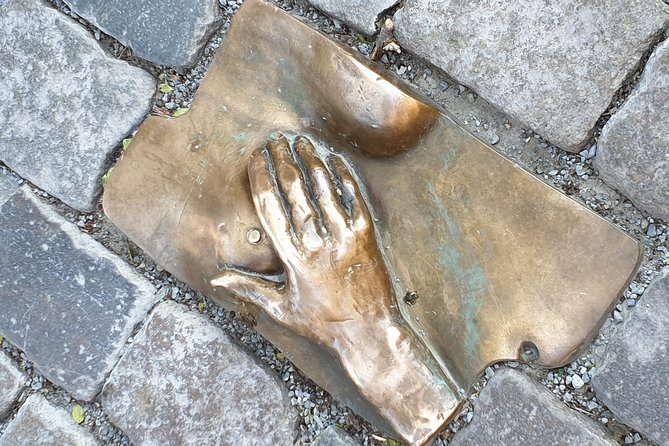
The route also passes Amsterdam’s smallest house, built around the 1700s. It was first used as storage by the Dutch East India Company, often called the VOC, and later became a home.
A tiny building like this says a lot about Amsterdam’s past. Space inside the old city was limited, and trade shaped even the smallest properties. Storage, business, and living space often existed side by side.
This is another reason I prefer the historical route over a walk that treats the Red Light District as a collection of adult attractions. You get a better picture of how people used these streets over time. The area was part of a working city long before it became a major nightlife stop.
The route’s variety also keeps the two hours moving. One moment you are discussing city foundations or guilds, and the next you are looking at a specialized shop or learning about present-day laws.
Understanding prostitution and coffee shop culture
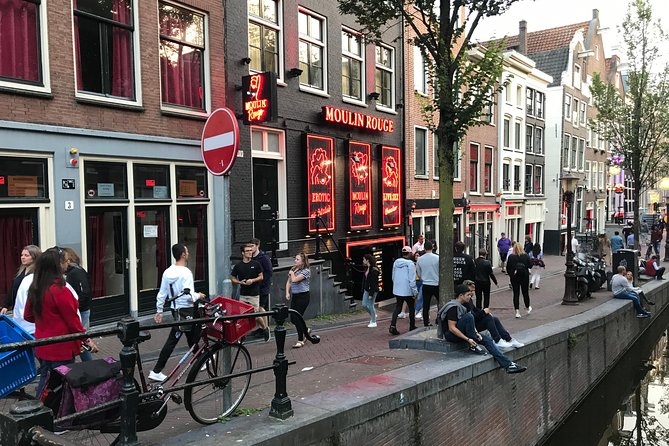
The central subject is the way Amsterdam handles prostitution and marijuana. The guide explains that prostitution is legal in the Netherlands and that marijuana is tolerated, though the legal framework is more complicated than the tourist shorthand often suggests.
That distinction matters. Many people arrive knowing only that Amsterdam is famous for red lights and coffee shops. A good explanation helps you understand the difference between legality, tolerance, regulation, and public behavior.
The coffee shop discussion is also likely to correct a common misunderstanding: Amsterdam coffee shops are associated with cannabis, not ordinary coffee. A private guide gives you room to ask basic questions without feeling foolish, and you can request practical advice for the rest of your stay.
The optional upgrade lets you visit a coffee shop with your guide or enter the Erotic Museum. These are not part of the basic guided walk, so check the booking terms and any added cost before you go. If you want more than an explanation from the street, the upgrade may add value. If you mainly want context and city history, the standard walking tour may be enough.
The guide’s tone is important. The best experience here is informative and respectful rather than sensational. Guides such as Ben, Robin, Luis, and Fia have been praised for explaining the subject in a way that feels comfortable, including for groups with teenagers and women.
The Condomerie and the lighter side of the route
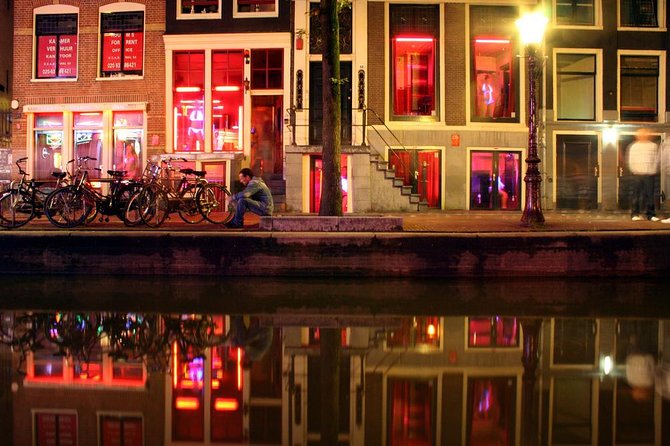
The Condomerie has operated since 1987 and is described as the world’s first shop devoted specifically to condoms. It sells different kinds, including size-customized condoms and novelty designs.
This is a lighthearted stop, but it also shows how Amsterdam’s sex industry became part of ordinary retail life. The shop is not presented simply as a joke. It reflects the city’s open approach to sexual health and adult commerce.
A private tour is useful here because you can decide how much time to spend on a quirky stop. If your group enjoys the humor, the guide can keep the conversation lively. If you prefer a more factual approach, you can move on without being held to a fixed group routine.
The route includes plenty of opportunities for pictures, but remember that this is still a functioning neighborhood. A respectful attitude matters, especially around workers and private doorways. The tour helps set that tone.
A private pace with room for questions
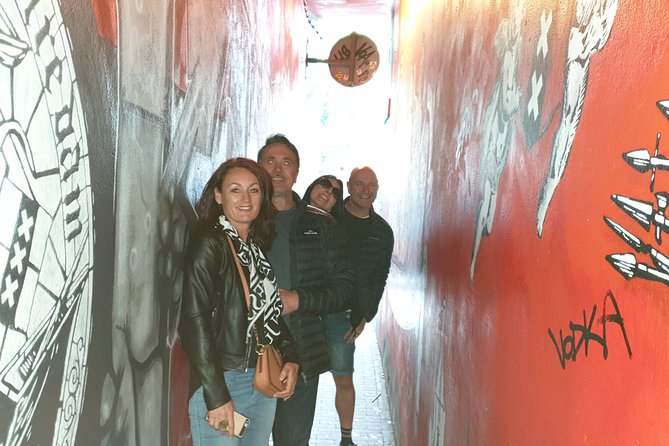
The tour is offered in English and is designed only for your group. That makes it a good choice for couples, families, and small groups of friends who want to discuss sensitive subjects privately.
Families may hesitate at first, but the content is presented as cultural and historical education. A private booking gives parents more control over how topics are explained. If your children are young, you should still decide for yourself if the subject matter suits them.
I would book this near the start of an Amsterdam visit. The walk gives you practical orientation, points out streets and landmarks you might otherwise miss, and can lead to useful suggestions for food and other activities. Several guides are praised for offering local recommendations beyond the tour itself.
The pace is generally relaxed, but the district can be busy and the streets are compact. Wear comfortable shoes and stay alert around bicycles and other foot traffic. The experience is outdoors, so rain or cold can affect the mood. Still, a rainy evening does not have to ruin it if you dress properly.
The advertised duration is approximately two hours, while the route description refers to a two-and-a-half-hour historical walk. I would confirm the expected timing when booking, especially if you have dinner or another activity planned immediately afterward.
Is $41.60 a fair price?
At $41.60 per person, this is not the cheapest way to walk through the Red Light District. You can enter the area on your own for free, and many of the streets are easy to reach from central Amsterdam.
The value comes from the private guide and the context. You are paying for someone to explain the laws, history, social rules, old buildings, and coffee shop culture in a focused way. You also avoid the uncertainty of wandering through the district without knowing what is appropriate or what you are looking at.
For a group of several people, the price becomes easier to justify if group discounts apply. The private format can also be better value than paying for several separate activities, especially if you want the optional coffee shop or Erotic Museum visit. Those upgrades may cost extra, so check before committing.
I would not choose this tour if you only want nightlife or a quick photo stop. I would choose it if you want to understand why the district exists, how Amsterdam treats controversial industries, and how the neighborhood fits into the city’s older center.
Practical details before you book
Confirmation is provided at booking. The meeting and end point are both on Damrak, and the area is near public transportation. Service animals are allowed, and the activity states that most people can participate.
Food and drinks are not included. Plan those separately, especially if you book an evening departure.
Free cancellation is available if you cancel at least 24 hours before the start time. Cancellations made less than 24 hours in advance are not refunded, and last-minute changes are not accepted. The cut-off follows local Amsterdam time.
The tour is recommended by 93 percent of participants and holds a 4.8 rating from 763 reviews. That strong score fits the experience’s main strengths: guides who explain difficult subjects clearly, a friendly tone, and a route that adds Old Town history instead of focusing only on adult entertainment.
Should you book it?
Book this tour if you want an informed, private introduction to Amsterdam’s Red Light District and coffee shop culture. It is especially useful at the beginning of your stay, when the guide’s local advice and orientation can shape the rest of your visit.
I would choose it for a small family group with mature teenagers, a couple curious about Amsterdam’s laws, or friends who want a respectful look at an often misunderstood neighborhood. Ask for a guide such as Ben, Robin, Luis, Saskia, Fia, or another available member of the team if the booking system allows requests.
Skip it if you expect long visits inside multiple attractions or a full account of every street in the district. The basic tour is primarily a walking and explanation experience, with the Erotic Museum or coffee shop available as an upgrade. For most people who want context rather than spectacle, that is the right balance.
FAQ
How long does the private Amsterdam Red Light District tour last?
The experience is listed as approximately two hours. The route description also refers to a two-and-a-half-hour historical walking tour, so confirm the exact expected duration when booking.
What language is the tour offered in?
The tour is offered in English.
Is this a private tour?
Yes. Only your group participates in the activity, allowing you to ask questions and keep a more personal pace.
Where does the tour start and finish?
The tour starts and ends on Damrak, 1012 Amsterdam, Netherlands.
Are the Erotic Museum and a coffee shop included?
They are optional upgrades rather than part of the basic guided walking tour. Check the booking details for the available upgrade and any extra charge.
Is food or drink included?
No. Food and drinks are not included in the tour price.
Can I cancel for a full refund?
Yes, if you cancel at least 24 hours before the experience begins. Cancellations made less than 24 hours before the start time are not refunded, and changes within that period are not accepted.
More Coffee Stops in Amsterdam
- Amsterdam: Coffee Shops Walking Tour
★ 4.5 · 55 reviews - Amsterdam: Red Light Tour with Bar Visit + Free Drink and Stop at a Coffee Shop
★ 5.0 · 11 reviews - Amsterdam City Center, Red Light District and Coffee Shops Tour
★ 5.0 · 4 reviews
Newest Amsterdam write-ups
- Zaanse Schans: Half-Day Private Guided Tour★ 5.0 · 4 reviews
- Zaanse Schans: Private Cruise + Live Guide, Optional Drinks★ 4.7 · 26 reviews
- Zaanse Schans: Wooden Shoe Painting Workshop★ 4.9 · 23 reviews
- Amsterdam: Private Zaanse Schans Windmills and Volendam Trip★ 4.9 · 31 reviews
- Zaanse Schans: Pancake Restaurant Visit★ 4.5 · 26 reviews
- Amsterdam: Zaanse Schans E-Bike Tour with Windmills & Cheese★ 4.5 · 12 reviews
- Zaandam: Paint a Perfect Portrait workshop★ 5.0 · 5 reviews
- Volendam: Volendams Museum Entry Ticket★ 4.4 · 14 reviews
Amsterdam Red Light District Tours, compared.

Red Light District Tour in German/English/Italian
Read our review →
Amsterdam Red Light District & Coffee Shop Tour
Read our review →
Red Light District Pub Crawl with Unlimited Shots
Read our review →

Browse the lists this tour appears in