
Reviewed · AMSTERDAM HISTORY WALKING TOURS
Amsterdam: Dutch WWII Resistance Museum Entry Ticket
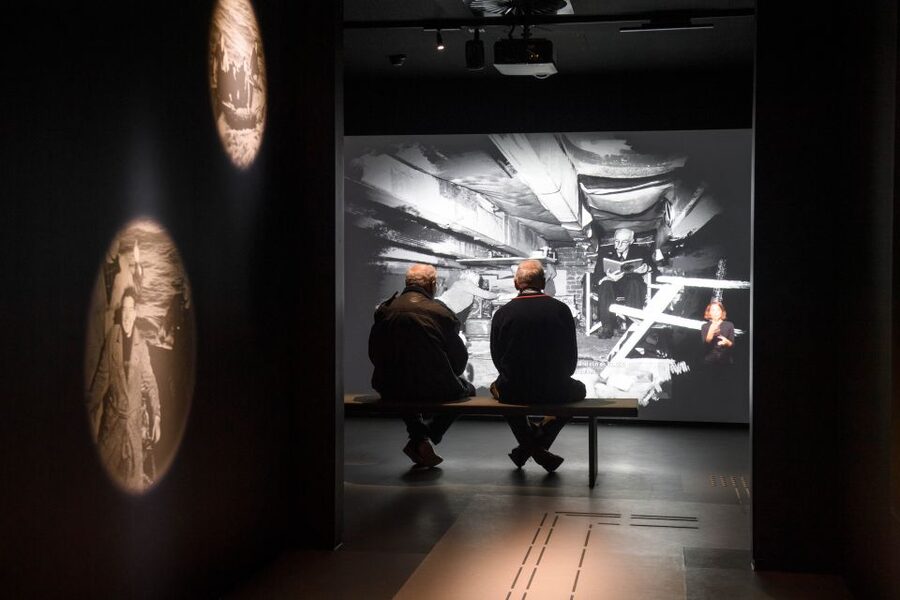
The Dutch Resistance Museum does more than explain what happened during the Nazi occupation. It shows how ordinary people faced daily choices: obey, keep quiet, forge documents, hide a neighbor, join a strike, or risk everything in armed resistance. Personal stories and original objects make the period feel close and human.
I like the clear walk-through layout and the audio system, which lets you choose how much detail you want at each display. I also like that the museum gives space to the Dutch East Indies and to people caught under Japanese rule, a part of the war often missed in Amsterdam. The main drawback is simple: this is not a quick 45-minute stop. Plan at least two hours, and closer to three if you want to hear most of the audio.
Key points to know before you go
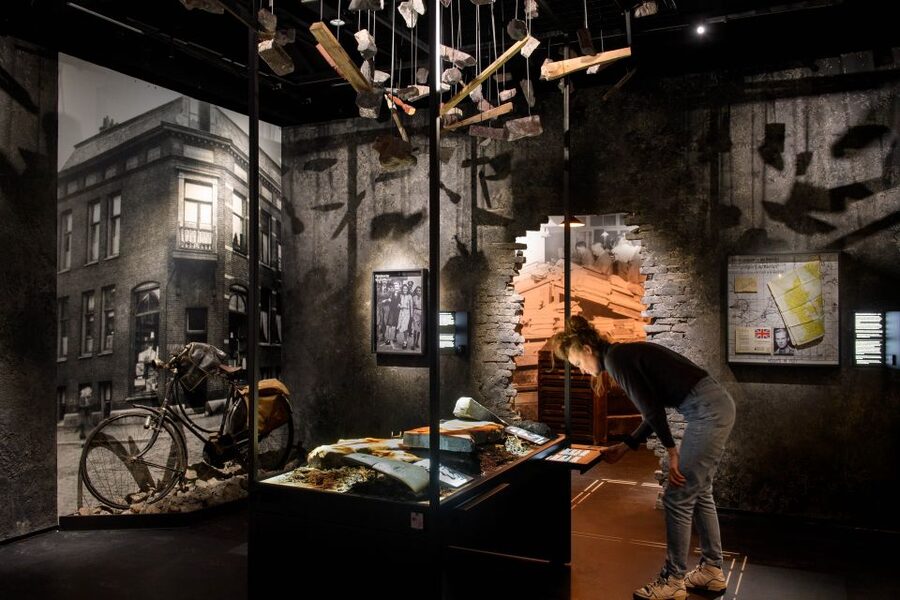
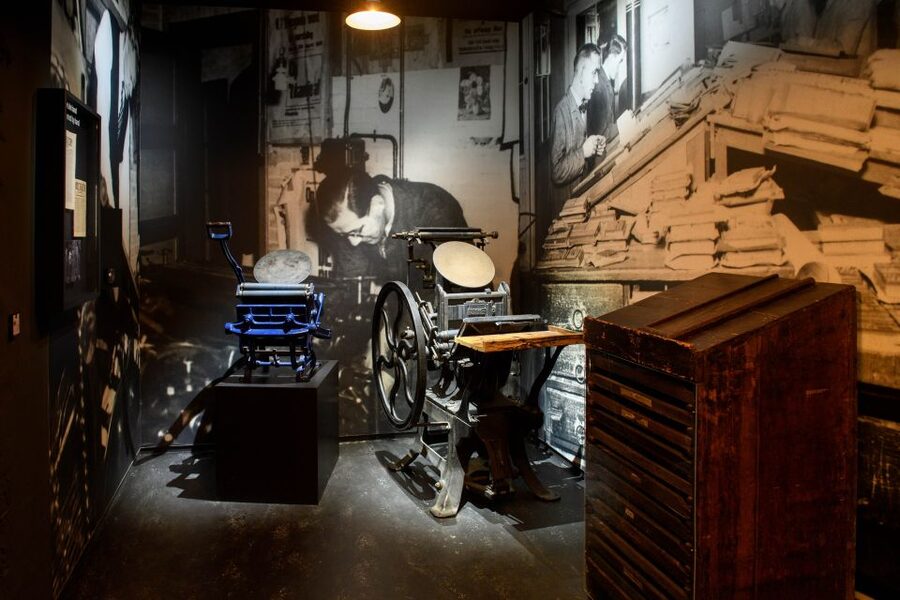
- Follow the occupation through everyday choices: The displays cover strikes, forged papers, hiding places, underground newspapers, escape routes, espionage, and armed resistance.
- Use the handheld audio guide: Scan the code at a display to hear selected stories in Dutch, English, French, German, Italian, Spanish, or Portuguese.
- Allow two to three hours: The museum is compact from the outside but packed with films, documents, objects, and individual accounts.
- Expect a serious, sometimes painful visit: The museum addresses Nazi persecution, the suffering of Jewish Dutch people, collaborators, and the moral pressure placed on civilians.
- Do not skip the Dutch East Indies section: It covers the experience of people living under Japanese occupation and adds an important wider wartime view.
- Wheelchair access is available: The museum is listed as wheelchair accessible, with information presented through text, audio, film, and interactive displays.
Entering Amsterdam’s wartime story
You begin at the museum counter, where you show your ticket. There is no live guide included, so your handheld audio guide becomes your main companion. It is a useful setup for a museum like this because you can move at your own pace rather than follow a group from one room to the next.
The presentation takes you back to the Netherlands in the 1940s through photographs, wall displays, films, objects, and recreated street scenes. You see a country under German military occupation, then follow the changing mood as restrictions tighten and people decide how far they are willing to go.
This is not a museum built around one famous person. The focus is wider. You meet people who resisted openly, people who helped in small ways, people who collaborated, and people who were simply trying to keep a family fed and safe. That range matters. It avoids the easy idea that an entire population split neatly into heroes and villains.
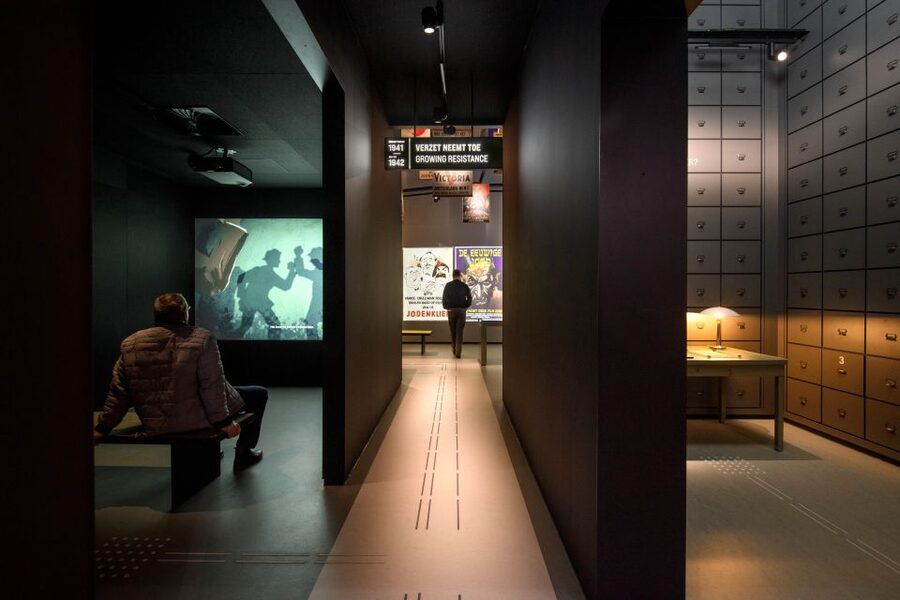
The layout is designed to be followed in sequence, but you are free to pause. The information is presented in a way that works for someone with only a basic grasp of World War II, while still offering plenty for a serious history enthusiast.
More history walks in Amsterdam:
- Amsterdam: Life of Anne Frank and World War II Walking Tour
★ 4.8 · 10,467 reviews - Amsterdam High-End Dutch Food & History Tour – Up to 8 guests
★ 5.0 · 482 reviews - Amsterdam: Highlights & History Walking Tour
★ 4.8 · 266 reviews
The handheld guide and interactive displays
The audio guide is one of the strongest practical features here. At each display, you can scan a code on the provided handheld unit and choose whether to hear that item’s story. You do not have to listen to every recording, which lets you keep the visit moving when a topic is familiar or spend more time when a personal account catches your attention.
The system also lets you sit down and listen, useful if your legs or back need a break. The audio is available in seven languages: Dutch, English, French, German, Italian, Spanish, and Portuguese. That makes the museum easier to use for international visitors, especially since many of the documents and films are tied to local events and names.
The technology is generally easy to use. You scan the code, listen, and continue. Take a little care when moving between displays, since it is possible to scan the wrong item or accidentally restart a recording. If you want to hear nearly everything, the audio can add a lot of time to your visit.
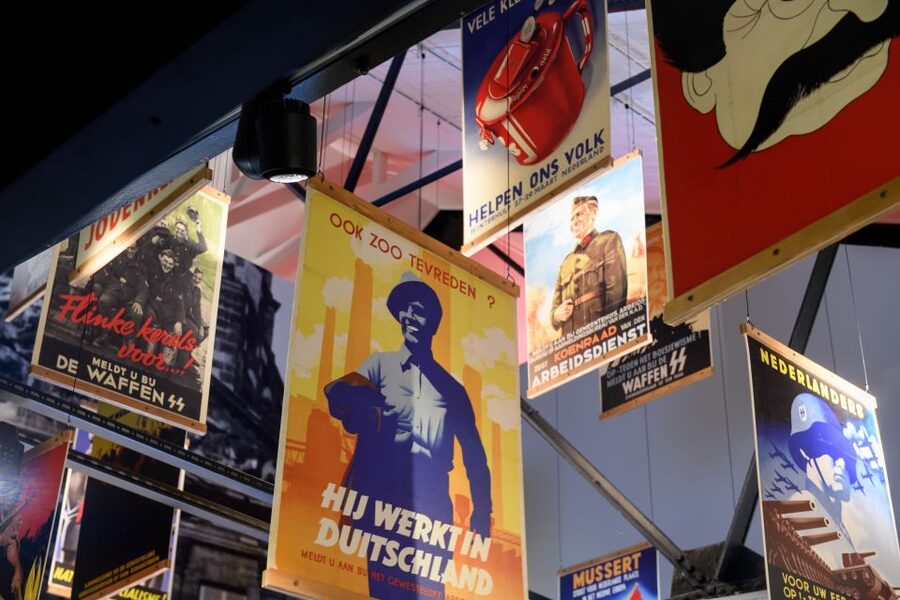
Films and interactive displays add movement to what could otherwise be a text-heavy museum. One especially useful feature is the treatment of propaganda posters. These displays help show how public messages were used to shape opinion, not just how resistance groups operated behind the scenes.
From strikes to forged papers
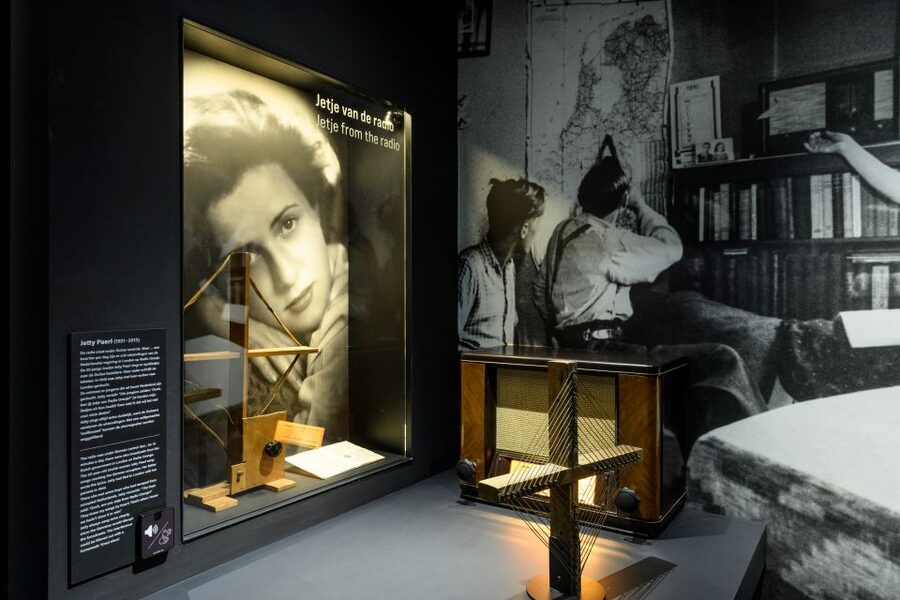
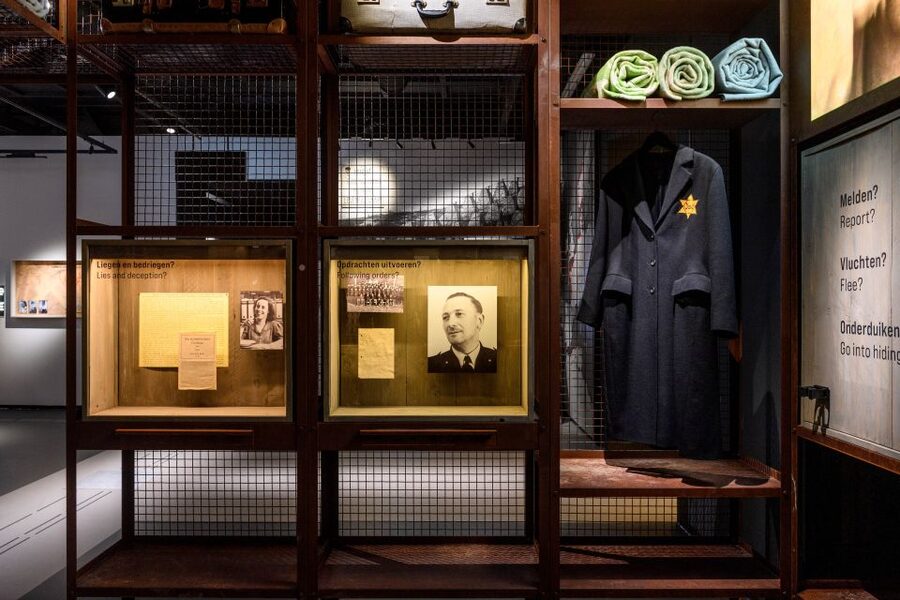
The museum’s main strength is its broad definition of resistance. You learn about organized strikes, the production of false identity papers, help for people forced into hiding, underground newspapers, escape routes, espionage, and armed action.
That range gives you a more honest view of resistance. Not everyone carried a weapon. A person typing an illegal newspaper, hiding a child, delivering a message, or forging a document could face severe punishment. The museum makes clear that courage often appeared in quiet, practical work.
The displays also show how hard choices became part of normal life. People had to decide whom to trust, whether to risk helping a stranger, and how to respond when occupation authorities demanded cooperation. You are not shown a tidy story in which every decision is obvious. The documents and personal accounts bring out the fear, uncertainty, and pressure behind those choices.
I find this approach more useful than a simple list of resistance groups. It helps you understand the occupation from street level. You see how war changed work, family life, communication, food, safety, and personal identity.
Jewish Dutch lives and the cost of occupation
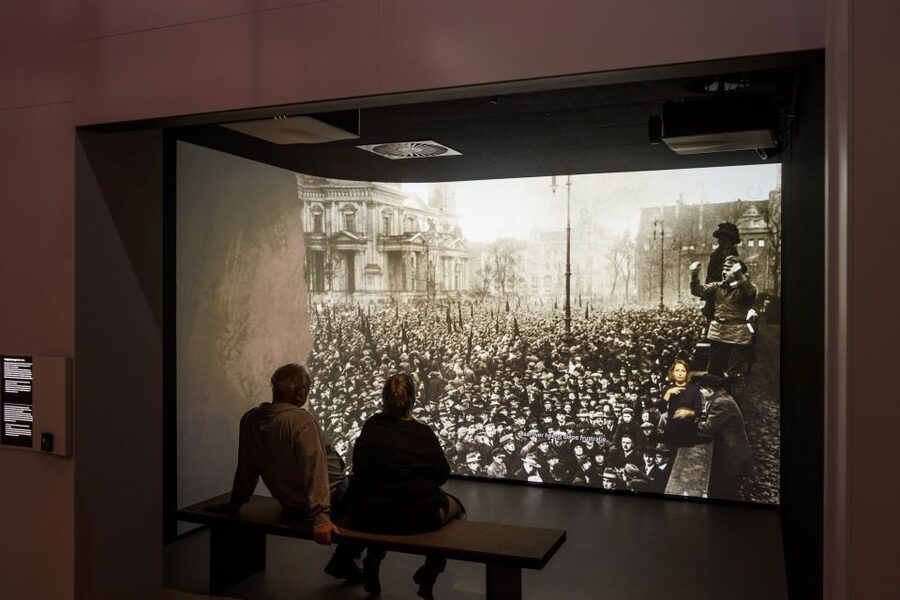
The museum gives serious attention to the persecution of Jewish Dutch people and to the destruction caused by Nazi rule. Personal documents and survivor accounts make the subject difficult, but the museum handles it as part of the wider story of occupation and resistance rather than isolating it from daily life.
You will encounter accounts that are moving and at times distressing. This is a place for quiet attention, not a light stop between canal cruises. Younger visitors may need help placing what they see in context, though the clear organization makes the basic story easier to follow.
One useful feature is that some individual stories continue beyond the war. Seeing what happened to people afterward adds weight to the documents on display. It reminds you that liberation did not erase loss, trauma, or difficult questions about who had helped and who had cooperated.
The museum also presents collaborators, which gives the story needed balance. Resistance is the central subject, but the occupation created many forms of cooperation and compromise. Including these choices keeps the visit from becoming a simple tale of national courage.
More museums and galleries in Amsterdam:
- Amsterdam: The Upside Down Museum Entrance Ticket
★ 4.4 · 9,506 reviews - Amsterdam: Red Light Secrets Museum Entry Ticket
★ 4.2 · 5,722 reviews - Amsterdam’s Weirdest Museum: Believe It or Not!
★ 4.5 · 4,086 reviews - Amsterdam: Van Gogh Museum Ticket and City Canal Cruise
★ 4.6 · 3,899 reviews
The Dutch East Indies section
Set aside time for the section on the former Dutch East Indies. It covers the experience of people living under Japanese occupation and the harsh conditions created by the Japanese regime.
This part broadens the museum beyond the European battlefield. It also matters personally to visitors whose families lived in the Dutch East Indies, served there, or were held as prisoners. The accounts can be especially emotional because they connect the Dutch wartime story to colonial rule, imprisonment, and family memory.
The section is not just an extra room tacked onto the end. It shows that the Netherlands’ wartime experience was tied to events far beyond Amsterdam. If you are mainly interested in the local resistance, you may be tempted to move quickly through it. I would not. It adds context that many visitors will not find elsewhere during a short Amsterdam visit.
How long should you spend inside?
The advertised validity is one day, so you are not pushed through on a strict timed entry. In practical terms, most people should allow two to three hours.
Two hours is enough for a meaningful visit if you read the main panels, watch selected films, and scan only the displays that interest you most. Three hours is more realistic if you want to hear the personal accounts, study the documents, and give proper attention to the Dutch East Indies section.
A full day is possible for a dedicated World War II history enthusiast, but the museum’s size and subject matter make a shorter, focused visit more comfortable for most people. The key is not to rush the first rooms. If you spend too long at every early display, you may have to hurry through the final sections.
The museum can feel much larger once you move beyond the entrance. The volume of material is high, but the route is easy to follow. Plan a quiet break afterward. There is a restaurant attached to the museum, which can be convenient after a serious visit, though food and drinks are not part of the ticket.
Is the $21 ticket good value?
At about $21 per person, the ticket is fair value if you give the museum enough time. You are paying for more than a room of static panels. The ticket includes entry and the audio guide, with access to films, interactive material, objects, photographs, and personal documents.
The value improves if you enjoy self-guided museums. You can skip material you already know and give extra time to topics that are new to you. A live guide might offer more conversation and the chance to ask questions, but none is included here. The tradeoff is flexibility.
For a short Amsterdam visit, compare this with your other museum choices. If your main interest is Dutch art, this will not replace the Rijksmuseum or the Van Gogh Museum. If you want to understand how ordinary people lived through occupation, this is a focused and worthwhile use of half a day.
The ticket also includes free cancellation up to 24 hours before the visit and a reserve-now, pay-later option. Those terms are useful if your Amsterdam plans are still shifting, but the real value comes from making time for the full presentation.
Access, languages, and practical comfort
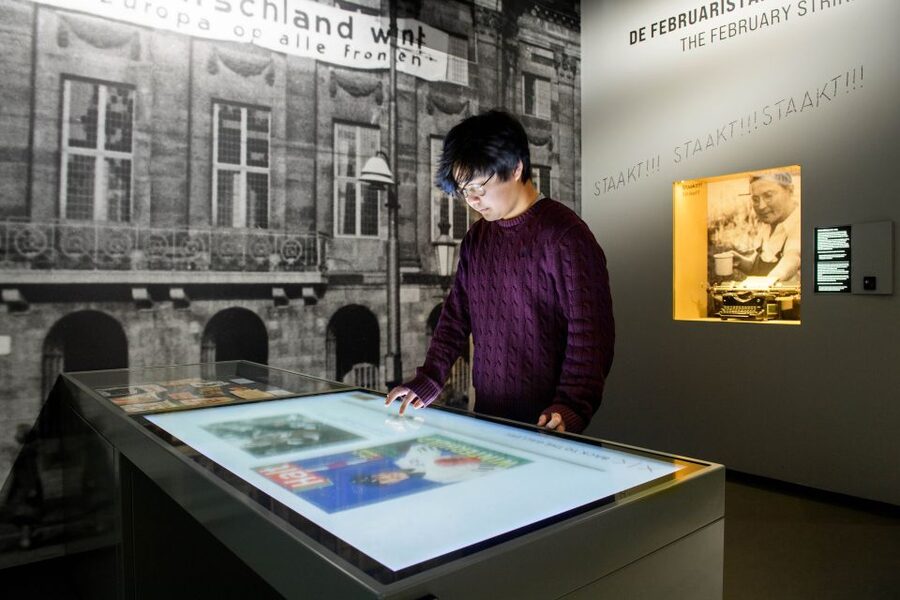
The museum is wheelchair accessible. The handheld audio system also gives you the option to sit while listening, which can make a long visit easier.
Information is available in Dutch, English, French, German, Italian, Spanish, and Portuguese through the audio guide. Check the unit as you begin and make sure you understand how to scan the displays. If a recording starts over or you select the wrong code, staff at the front can help.
There is no food or drink included, and there is no live guide. You should also expect a quiet, serious atmosphere. This is not a loud or theatrical attraction. Its impact comes from documents, testimony, film, and the slow accumulation of personal decisions.
Because the museum covers persecution and wartime terror, it may not suit very young children unless an adult is ready to explain difficult material. Older children and teenagers with an interest in history can gain a lot from the clear layout and visual material.
Who will get the most from this museum?
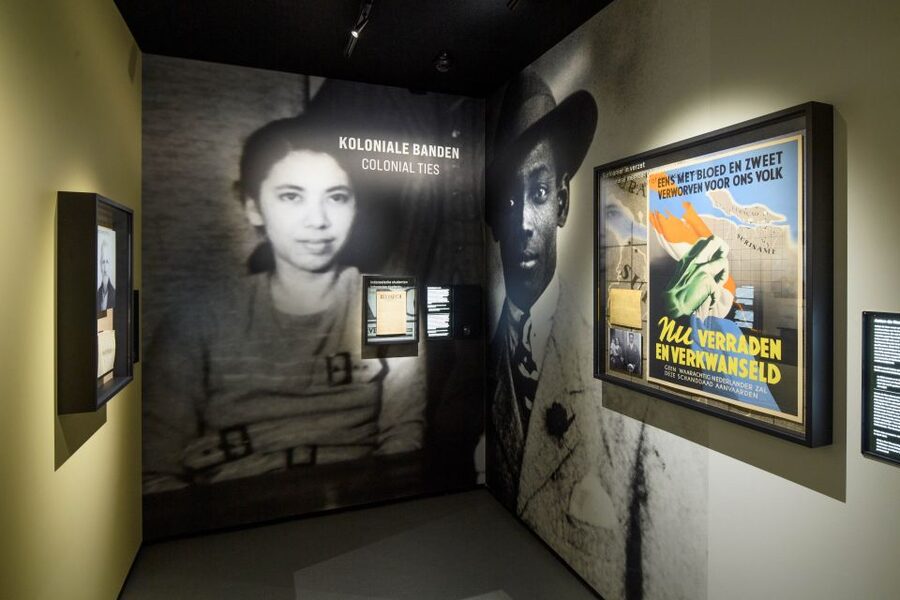
I would recommend it to anyone who wants more than the familiar Anne Frank story. Anne Frank’s experience is important, but this museum shows the wider network of Dutch lives around the occupation: people in hiding, people producing illegal papers, people spreading news, and people forced to choose between safety and help.
It is also a strong choice for World War II history enthusiasts, families tracing Dutch or Indonesian roots, and visitors who want a better sense of life under military rule. The audio guide makes it approachable even if your knowledge of the war is patchy.
You may find it less satisfying if you prefer art, grand architecture, or a fast attraction with a short route. The museum rewards patience. Its best material is often found in the small documents and individual stories rather than in one dramatic centerpiece.
Should you book the Dutch Resistance Museum?
Book it if you can spare two to three hours and want a thoughtful account of occupation, resistance, collaboration, and civilian life. The audio guide, clear route, and wide range of personal stories make it easy to use without a live guide.
I would not squeeze it into a rushed morning between fixed reservations. Give it room to work on you. At $21, it is a sensible buy for history-minded visitors, and the Dutch East Indies section makes it especially worthwhile if your family story reaches beyond Europe.
FAQ
How long should I spend at the Dutch Resistance Museum?
Plan for two to three hours. You can see the main material in about two hours, but hearing most of the audio and studying the displays takes longer.
Is an audio guide included?
Yes. A handheld audio guide is included with entry. It lets you scan individual displays and choose which stories to hear.
What languages are available on the audio guide?
The audio guide is available in Dutch, English, French, German, Italian, Spanish, and Portuguese.
What does the museum cover?
It covers Dutch civilian life during Nazi occupation and all forms of resistance, including strikes, forged documents, hiding networks, underground newspapers, escape routes, espionage, and armed resistance. It also has a section on the Dutch East Indies under Japanese rule.
Is the museum wheelchair accessible?
Yes. The museum is listed as wheelchair accessible.
Can I cancel my booking?
Yes. You can cancel up to 24 hours in advance for a full refund. A reserve-now, pay-later option is also available.
Newest Amsterdam write-ups
- Zaanse Schans: Half-Day Private Guided Tour★ 5.0 · 4 reviews
- Zaanse Schans: Private Cruise + Live Guide, Optional Drinks★ 4.7 · 26 reviews
- Zaanse Schans: Wooden Shoe Painting Workshop★ 4.9 · 23 reviews
- Amsterdam: Private Zaanse Schans Windmills and Volendam Trip★ 4.9 · 31 reviews
- Zaanse Schans: Pancake Restaurant Visit★ 4.5 · 26 reviews
- Amsterdam: Zaanse Schans E-Bike Tour with Windmills & Cheese★ 4.5 · 12 reviews
- Zaandam: Paint a Perfect Portrait workshop★ 5.0 · 5 reviews
- Amsterdam Central Walking Tour★ 4.9 · 11 reviews
Amsterdam History Walking Tours, compared.
Life of Anne Frank and World War II Walking Tour
Read our review →
Amsterdam High-End Dutch Food & History Tour – Up to 8 guests
Read our review →
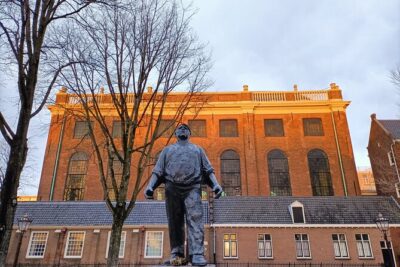
Anne Frank and Amsterdam Jewish History Walking Tour
Read our review →
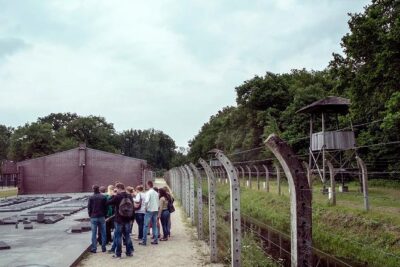
Small Group Tour to Nazi WWII concentration camp from Amsterdam
Read our review →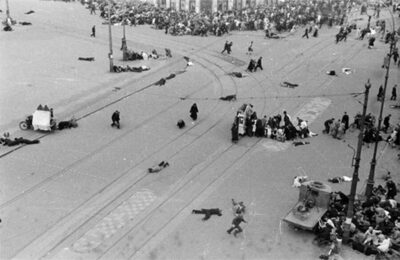
Anna Frank and World War II History Walking Tour
Read our review →
Anne Frank and World War II Walking Tour (TOP RATED)
Read our review →Browse the lists this tour appears in