
Reviewed · AMSTERDAM HISTORY WALKING TOURS
LGBTQI+ History Tour of Amsterdam
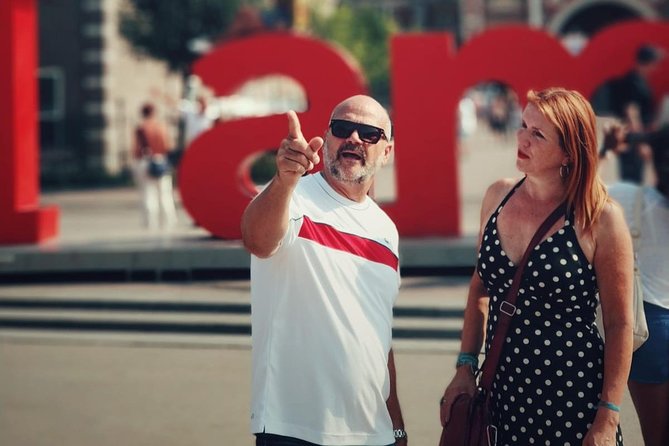
Amsterdam’s LGBTQI+ story comes alive on this two-hour walk with Henk, a guide who lived through the early years of the gay movement in the Netherlands. The route links the Gay Monument, Dam Square, the Red Light District, Chinatown, and Café t Mandje with stories of persecution, protest, courage, and changing rights.
I like the personal voice here. Henk does not simply point at buildings and recite dates. He brings in his own memories, Dutch poetry, politics, art, and stories of people who pushed Amsterdam toward greater freedom. I also like the small group limit of 15, which gives you room to ask questions.
The main drawback is that this is an outdoor walking tour, with no indoor museum visit included. You will need good shoes, your own water, and a willingness to walk in Amsterdam weather. The route also covers serious subjects, including wartime persecution and AIDS, so this is thoughtful history rather than a light sightseeing stroll.
Key points before you book
- Henk’s personal connection: Your guide lived through the beginning of Amsterdam’s gay rights movement and shares first-hand perspective alongside historical research.
- A route through central Amsterdam: The walk begins at the Gay Monument and ends near Central Station at Café t Mandje on the Zeedijk.
- More than a rights timeline: Expect links between LGBTQI+ life and Amsterdam’s architecture, city planning, literature, royal history, politics, and wartime past.
- A small group setting: The maximum group size is 15, a useful advantage when you want to ask questions or discuss sensitive subjects.
- A meaningful final stop: The tour ends at Café t Mandje, associated with Bet van Beeren and one of Amsterdam’s oldest gay bars.
- A practical morning outing: The start time is 11:00 a.m., and the walk lasts about two hours, with no palace or museum admission included.
Starting at Amsterdam’s Gay Monument
Meet Henk at Westermarkt 2L, beside the Gay Monument. This is a fitting place to begin because the monument is not just a photo stop. It honors gay victims of the past, present, and future, and gives the tour its central question: how did Amsterdam become one of the world’s better-known cities for LGBTQI+ rights, and what struggles came before that reputation?
Henk explains how the Netherlands came to have the first monument of its kind in the world. That opening gives the walk emotional weight right away, but it also sets up the historical method of the tour. You are not looking only at famous names or grand political milestones. You are considering memory, loss, public recognition, and the people who fought to be seen.
The monument stop lasts about 30 minutes, making it the longest single pause on the route. That matters. You get time to ask Henk questions rather than rushing through a quick explanation before moving on.
The subject can be heavy. Stories connected with discrimination, wartime persecution, and AIDS are part of the broader history Henk shares. If you prefer a purely cheerful introduction to Amsterdam, this may not be the right first choice. If you want a more honest picture of how civil rights were won, the opening provides a strong start.
More history walks in Amsterdam:
- Amsterdam: Life of Anne Frank and World War II Walking Tour
★ 4.8 · 10,467 reviews - Amsterdam: Dutch WWII Resistance Museum Entry Ticket
★ 4.7 · 951 reviews - Amsterdam High-End Dutch Food & History Tour – Up to 8 guests
★ 5.0 · 482 reviews
Walking the canals toward Dam Square
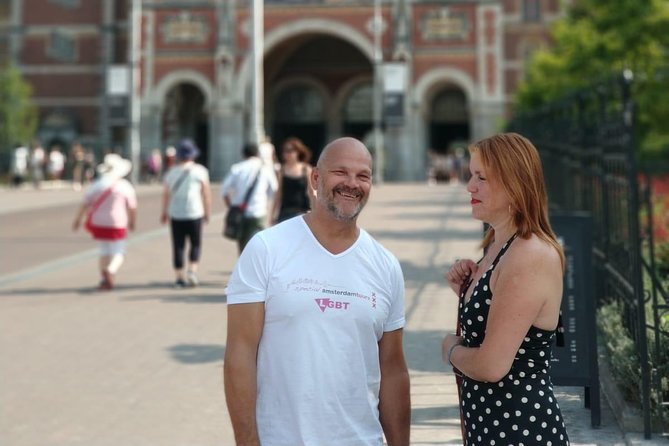
From Westermarkt, you walk along the canals toward Dam Square. The route offers ordinary Amsterdam scenery, but Henk uses it to explain the city itself. Seventeenth-century houses and canal planning become part of the lesson, showing how urban design shaped daily life and movement through the city.
This is one of the tour’s useful features. You are not placed in a separate LGBTQI+ bubble, disconnected from the rest of Amsterdam. The walk connects gay life to the city’s wider development, including its architecture and public spaces.
The canal section is also where the pace feels most like a traditional walking tour. You move through central streets while listening, stopping when needed, and taking in the setting around you. Amsterdam’s center can be busy, and the route includes streets used by bicycles, pedestrians, and local traffic. Stay alert and wear shoes that feel steady on stone and pavement.
Because the tour lasts around two hours, Henk cannot cover every period or neighborhood in detail. Think of this as a focused introduction, not a full academic survey of Dutch LGBTQI+ history. Its strength is the way it ties selected places to a larger story.
Dam Square and the Royal Palace
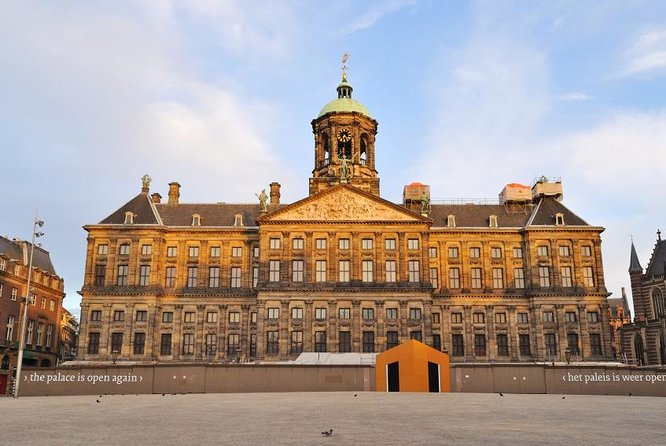
At Dam Square, Henk explains the origins of the Royal Palace and its connection with gay life in the seventeenth century. The palace itself is an important part of Amsterdam’s civic and royal story, but you do not go inside during this tour.
That limitation is worth knowing before you book. The palace is viewed from outside, and admission is not included. If you want to tour the interior, plan a separate visit. The walking tour gives you context for the building, but it is not a palace tour.
Dam Square provides another useful contrast. It is one of Amsterdam’s most familiar public spaces, yet Henk looks at it through an LGBTQI+ lens. He discusses what happened there historically and how public places relate to visibility, control, celebration, and protest.
I like this part because it makes a familiar square feel less familiar. You may already have crossed Dam Square on the way to another sight. With Henk, you get a reason to pause and consider whose stories are usually left out of the standard city narrative.
The stop lasts about 10 minutes, so expect a compact explanation rather than a long lecture. The group then continues on foot through central Amsterdam.
The Red Light District and the leather street
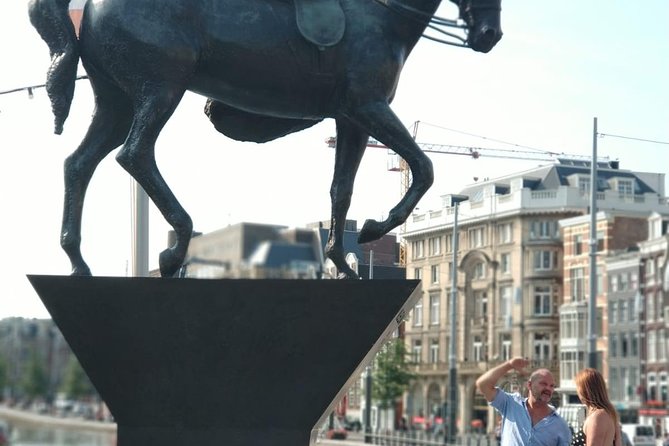
The route passes through the Red Light District, where Henk discusses Amsterdam’s leather street. The information provided for this section is intentionally open-ended, so you can ask him for more detail if the subject interests you.
That flexibility suits the tour. LGBTQI+ life is not a single story, and the Red Light District brings up questions about sexuality, work, public attitudes, subcultures, and changing ideas of respectability. Henk can respond to questions in the setting rather than presenting a fixed script that treats every part of the city in the same way.
You should also know that this is a public urban area, not a private LGBTQI+ attraction. The walk takes place among the district’s normal activity, and some subjects may be direct. Parents or anyone seeking a family-focused sightseeing walk should consider the route carefully.
For adults interested in Amsterdam’s sexual history, this section adds useful context. It helps explain that LGBTQI+ life has existed in many forms, from organized rights movements to bars, clubs, social spaces, and informal communities.
Same city, a completely different afternoon:
- Amsterdam Classic Saloon Boat Cruise with Drinks and Cheese
★ 5.0 · 31,825 reviews - Amsterdam Luxury Canal Cruise + Unlimited Drinks & Bites option
★ 5.0 · 30,518 reviews - Amsterdam: Heineken Experience Ticket
★ 4.6 · 30,055 reviews - Amsterdam: Rijksmuseum Entry Ticket
★ 4.7 · 25,535 reviews
Chinatown, wartime memory, and Amsterdam’s oldest gay bar
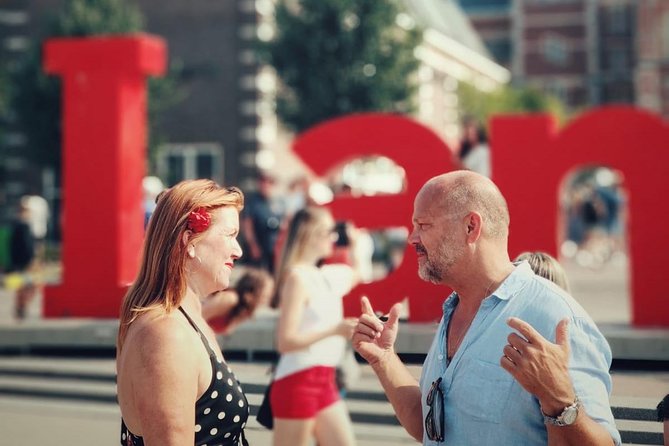
The walk continues into Chinatown, described as having once been one of Amsterdam’s roughest streets. Henk explains the area’s connection to LGBTQI+ life, including the oldest gay bar in Amsterdam and why German soldiers were not allowed in this part of the city during World War II.
This is a strong example of how the tour layers different histories in one small area. A street can be linked to migration, nightlife, wartime rules, local identity, and gay life at the same time. Henk’s approach asks you to notice those overlapping stories instead of treating each neighborhood as a single-theme attraction.
The tour ends at Café t Mandje, at Zeedijk 63. The bar is linked with Bet van Beeren, a major name in the story of Amsterdam’s lesbian and gay nightlife. Some participants have been especially pleased to see one of the city’s oldest lesbian-owned bars and meet the new owner when possible, though the tour data does not promise a meeting on every visit.
Ending here makes practical sense. Zeedijk is within walking distance of Amsterdam Central Station, so you can continue sightseeing, catch a train, or stop for food and a drink nearby. The finish also gives the tour a social endpoint after two hours of monuments, streets, politics, and difficult memories.
What Henk adds to the walk
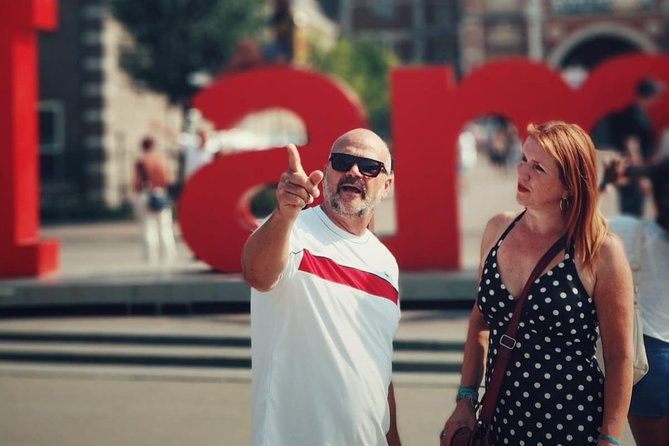
Henk is the heart of this experience. His background gives the tour a personal quality that a standard audio guide or general city walk cannot match. He lived through the start of the gay movement in Amsterdam, and that perspective helps connect past events with the lives of people who experienced social change directly.
He also brings humor and warmth without turning the subject into entertainment. The tone can shift from a joke or a piece of Dutch poetry to a serious account of loss. That range is important because LGBTQI+ history includes joy and community, but also fear, exclusion, violence, illness, and grief.
Several details make his guiding style especially useful:
- He welcomes straight allies, so you do not need to identify as LGBTQI+ to feel that the tour is meant for you.
- He invites questions, including questions about the Red Light District and other sensitive topics.
- He connects history with art, literature, and politics rather than treating rights as a simple list of legal changes.
- He offers recommendations for what to do after the walk.
- He adjusts to the group, including practical changes when city events affect the schedule or meeting conditions.
The best reason to choose this tour is not the number of stops. It is the chance to hear a city’s LGBTQI+ past explained by someone with a personal relationship to that history.
How much value do you get for $42.33?

At $42.33 per person, this is not the cheapest way to walk through central Amsterdam. You are paying for about two hours with a specialist guide, not for admissions, food, drinks, or transportation.
The value depends on what you want from a tour. If you only need directions to the Gay Monument or Dam Square, you can visit those places on your own. If you want the stories connected to them, along with a guide who can answer questions and add personal context, the price is easier to justify.
The small group limit helps. A maximum of 15 people is far more manageable than a large city group, especially when the subject includes personal experiences and sensitive history. You have a better chance of hearing clearly and asking Henk something specific.
The tour also combines several kinds of sightseeing in one booking. You get central Amsterdam architecture, the canals, the Royal Palace from outside, Dam Square, the Red Light District, Chinatown, and a historic gay bar setting. You do not pay separate admission for the walk, but you should budget separately if you want to enter the Royal Palace or spend money at the final café.
With a perfect five-star rating from 123 reviews and a 100 percent recommendation rate, the tour has a strong record. Still, ratings cannot remove the need to match the experience to your interests. The subject is focused, the route is on foot, and the emotional tone is more serious than a standard highlights walk.
Timing, comfort, and group details
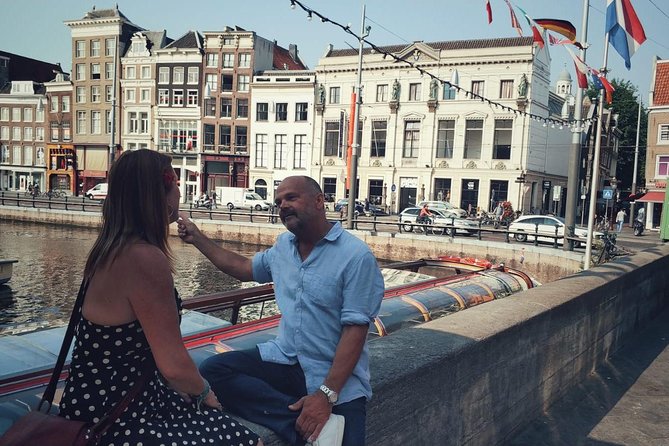
The tour begins at 11:00 a.m. and lasts approximately two hours. A morning start gives you the afternoon for museums, shopping, a canal cruise, or a second neighborhood walk.
Wear comfortable walking shoes and bring water. The tour includes only the guide, and there is no stated provision for refreshments. Amsterdam weather can change quickly, so a rain layer is sensible. The experience may be canceled in poor weather, with the choice of another date or a full refund.
The meeting point is Westermarkt 2L. The tour ends at Café t Mandje on Zeedijk, within walking distance of Central Station. Since the start and finish are different, plan your route accordingly. Near the end of the tour, you will already be in a useful part of central Amsterdam rather than being returned to the starting point.
Most people can participate, and service animals are allowed. The tour is near public transportation. Free cancellation is available up to 24 hours before the start time. If you cancel later, the payment is not refunded, and changes made within 24 hours are not accepted.
Who will get the most from this experience?
I would choose this tour if you want Amsterdam to feel like a real city shaped by people, conflict, and social change, not just canals and pretty houses. It suits LGBTQI+ visitors, straight allies, history fans, and anyone who wants a more focused alternative to a general city walk.
It is especially useful early in your stay. The route can give you a stronger sense of place before you visit other sights, and Henk’s suggestions may help shape the rest of your time in Amsterdam.
You should think twice if you dislike walking, want a palace interior tour, or prefer a light and purely celebratory outing. The route passes through busy central areas, and some of the history is painful. You will also need to be comfortable spending most of the two hours outdoors.
Should you book the LGBTQI+ History Tour of Amsterdam?
Book it if you want personal stories, serious history, and a clear connection between Amsterdam’s streets and LGBTQI+ rights. Henk’s first-hand perspective, the Gay Monument, the Red Light District, Chinatown, and the finish at Café t Mandje give the walk a strong sense of place.
Skip it if you are looking for major indoor attractions, extensive palace access, or a broad tour of every Amsterdam landmark. For the right audience, though, $42.33 buys more than a walk between sights. It gives you a way to understand why those sights matter and whose lives helped change the city.
FAQ
How long does the LGBTQI+ History Tour of Amsterdam last?
The tour lasts approximately two hours.
What time does the tour begin?
The tour starts at 11:00 a.m.
Where does the tour start?
The meeting point is Westermarkt 2L, 1016 DW Amsterdam, Netherlands.
Where does the tour end?
The tour ends at Café t Mandje, Zeedijk 63, 1012 AS Amsterdam. The end point is within walking distance of Amsterdam Central Station.
Is the Royal Palace included?
The Royal Palace is viewed from outside during the walk. Palace admission is not included, and there is not enough time to visit the interior as part of the tour.
Can I cancel for a full refund?
Yes. You can cancel at least 24 hours before the experience start time for a full refund. If poor weather or an insufficient minimum number of participants causes the provider to cancel, you will be offered another date or experience, or a full refund.
Newest Amsterdam write-ups
- Open Dutch Boat! Silent electric drive. Nice cosy boat ride…★ 5.0 · 6 reviews
- Private Hostess Bar Tour in Amsterdam Red Light District (3h)★ 5.0 · 10 reviews
- Professional Photo Shoot in Amsterdam★ 5.0 · 38 reviews
- Visit the Girl with the Pearl Earring, The Hague & Delft City★ 5.0 · 63 reviews
- Private Tour to Tulips, Keukenhof, Windmills & Cheese Farm★ 5.0 · 4 reviews
- 1-15 persons Taxi or Bus Transfer Amsterdam in Amsterdam City★ 5.0 · 8 reviews
- Zaanse Schans Windmills Private Tour from Amsterdam Airport★ 5.0 · 14 reviews
- Rotterdam, The Hague, Delft Private Tour from Amsterdam★ 5.0 · 44 reviews
Amsterdam History Walking Tours, compared.
Life of Anne Frank and World War II Walking Tour
Read our review →
Amsterdam High-End Dutch Food & History Tour – Up to 8 guests
Read our review →
Anne Frank and Amsterdam Jewish History Walking Tour
Read our review →
Anna Frank and World War II History Walking Tour
Read our review →
Anne Frank and World War II Walking Tour (TOP RATED)
Read our review →
Browse the lists this tour appears in