
Reviewed · ANNE FRANK WALKING TOURS
Anne Frank Small Group Walking Tour
The most affecting part of this two-hour walk is the way Anne Frank’s story is placed within Amsterdam’s wider wartime past. You move from the Portuguese Synagogue and Jewish Quarter to the Auschwitz Memorial, then finish near the Anne Frank House, giving the story a human setting rather than treating it as an isolated museum visit.
I like the thoughtful route and the guide’s role in making difficult history understandable. I also like that the walk includes places such as Wertheimpark, the Rembrandt House, and Zuiderkerk, so you see several sides of Amsterdam along the way. The main drawback is the wording small group: the stated maximum is 140 people, which is much larger than most visitors would expect from a small-group tour.
Key points to know before booking

- The route ends near the Anne Frank House: You finish at the Anne Frank Statue beside Westermarkt, but admission to the Anne Frank House is not included.
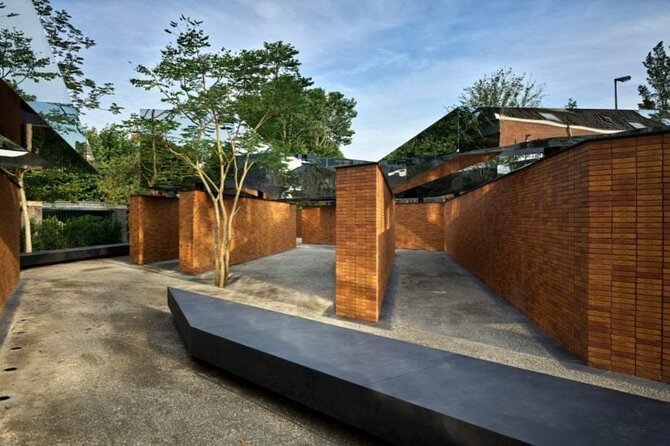
- The Auschwitz Memorial is a central stop: Jan Wolkers’ broken-mirror installation offers one of the tour’s most powerful moments.
- Guide Stefan receives repeated praise: His detailed explanations and thought-provoking questions are a major part of the experience when he leads the walk.
- You see interiors only from outside: The Portuguese Synagogue, Rembrandt House, and Zuiderkerk do not include admission.
- The tour covers six historical stops: Each stop receives about 20 minutes, creating a steady route through Amsterdam’s past.
- The $37 price covers interpretation, not entries: You pay separately if you want to visit the buildings or the Anne Frank House.
Why this Anne Frank walk works
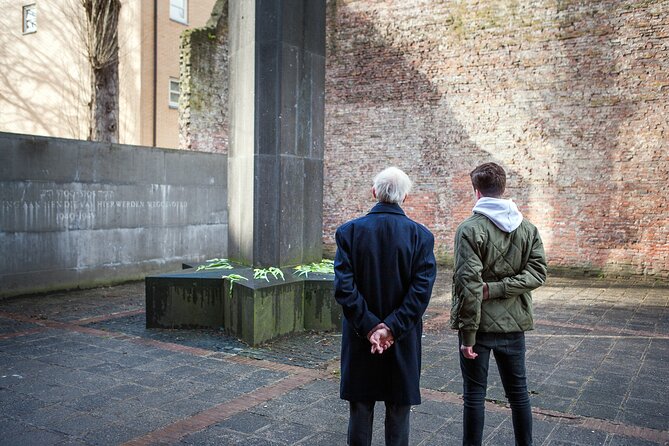
Many visitors arrive in Amsterdam with one clear goal: the Anne Frank House. That museum is important, but it can also be difficult to visit because tickets must be purchased separately. This walking tour gives you another way to understand Anne Frank’s story, even if you do not have a house ticket.
The route begins in Amsterdam’s old Jewish Quarter and gradually moves toward the western part of the city. Along the way, your guide connects religious life, Jewish culture, Nazi persecution, memorial art, and Anne’s legacy. That broader setting matters. Anne’s diary is personal, but the events around her affected an entire city and community.
I see the tour as a history walk first and an Anne Frank tour second. You will not enter the Secret Annex, and you will not see Anne’s original rooms. Instead, you spend time at places that help explain Amsterdam before, during, and after the Second World War.
The guide is central to the experience. Stefan is specifically noted for explaining lesser-known facts, making the subject interesting without reducing it to a list of dates, and asking questions that give you time to think. A good guide is especially useful here because several stops are outdoor monuments that need context. Without explanation, a broken mirror or a statue can seem simple. With the right story, it becomes much more meaningful.
More Anne Frank walking tours:
- Anne Frank’s Story – Guided Walking Tour through Amsterdam
★ 5.0 · 11,619 reviews - Amsterdam: Life of Anne Frank and World War II Walking Tour
★ 4.8 · 10,467 reviews - Amsterdam: Anne Frank Guided Small Group Walking Tour
★ 4.8 · 2,722 reviews
Starting at the Portuguese Synagogue
Meet at Jonas Daniël Meijerplein 21 at 1 p.m. The first stop is the Portuguese Synagogue, a 17th-century building linked to Amsterdam’s Sephardic Jewish community.
The synagogue is known for its enormous interior and wooden vaulted ceilings. It has been preserved without modern lighting or heating, keeping much of its original character. That detail helps you imagine the building as a historic place of worship rather than a polished modern attraction.
You should note the admission policy before you book. The tour does not include entry, so you will view the building from outside. That is enough to appreciate its place in the Jewish Quarter, but it is not the same as seeing the vast interior firsthand.
The stop gives the guide a useful opening. Amsterdam’s Jewish story did not begin with the Second World War, and the synagogue helps set that earlier context. You start with community, faith, and architecture before moving into the darker material of persecution.
The pace is about 20 minutes here. That is enough for an explanation and exterior viewing, though not enough for a full architectural visit. If you want to see the synagogue inside, plan a separate visit and budget for its admission.
The planned National Holocaust Memorial
The next stop concerns the National Holocaust Memorial designed by Daniel Libeskind. The project is still under development according to the tour information, with its planned completion intended to create a major memorial to Dutch victims of the Holocaust.
This is an important distinction: you should not book the walk expecting a completed museum or finished architectural site. The value here comes from hearing about the project and understanding its intended place in Amsterdam’s remembrance culture.
Because the memorial is not presented as a standard indoor attraction, this stop depends heavily on the guide. Stefan’s detailed approach should be useful here, particularly if you want to understand how cities choose to remember mass violence in public spaces.
The stop lasts about 20 minutes and admission is free. It also links the older Jewish Quarter to the later memorial sites, helping the route move from community history toward the consequences of Nazi rule.
Wertheimpark and the broken mirrors
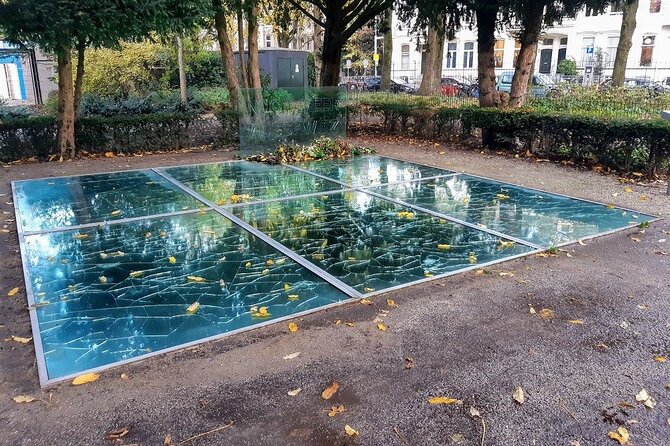
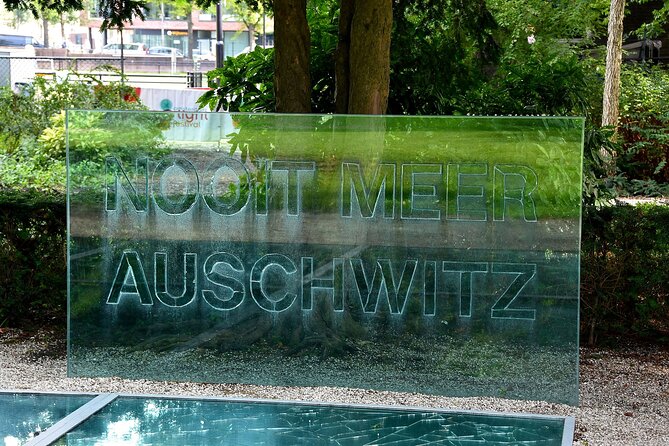
For many people, the Auschwitz Memorial in Wertheimpark will be the emotional center of the walk. Artist Jan Wolkers created the installation with broken mirrors that reflect the sky in fragments.
The image is direct and hard to forget. Instead of giving you a conventional monument with a long inscription, the work uses reflection and absence. The broken sky suggests shattered lives, while the open setting makes the memorial part of the city rather than something sealed away indoors.
You will have about 20 minutes here. That may sound brief for a serious subject, but the stop is structured to give you time to listen and process. Several comments about the tour point to this memorial as especially moving, and I can see why. It is a simple visual idea with a strong emotional effect.
This is also one place where the guide’s tone matters. You want clear facts, but you also need room for quiet. The best part of the stop is not a rush through dates. It is the connection between the physical installation and the people it remembers.
Admission is free, and the memorial is viewed outdoors. Wear shoes suited to walking and bring weather protection, since the tour continues regardless of the mood or season unless the operator says otherwise.
More walking tours in Amsterdam:
- Absolutely Amsterdam – the Essential Introductory Walking Tour
★ 5.0 · 3,629 reviews - Amsterdam: Anne Frank Walking Tour – Guided in EN/DE/IT/ES
★ 4.9 · 2,676 reviews - Amsterdam: Guided Cultural Walking Tour
★ 4.9 · 2,384 reviews - Amsterdam: Guided Ganja Walking Tour of Coffee Shops
★ 4.2 · 2,092 reviews
Rembrandt’s house adds another side of Amsterdam
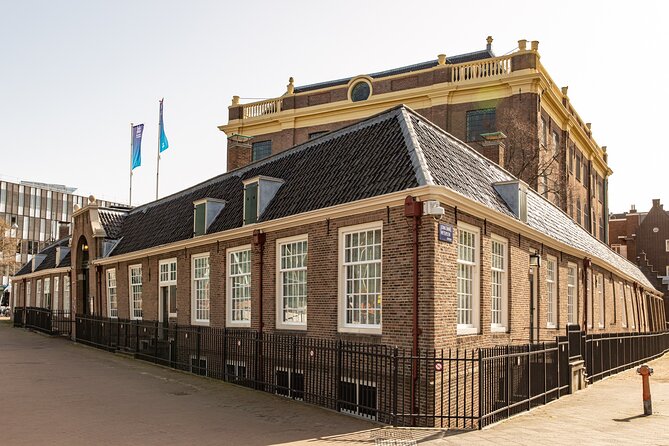
The route then turns to the Rembrandt House Museum, where Rembrandt lived and worked. The building has been restored to its earlier condition and presents his etchings, personal possessions, and working methods.
At first, this might seem separate from an Anne Frank walk. That is part of its usefulness. Amsterdam is not only a wartime city, and this stop reminds you that the same streets carry centuries of artistic and social history.
You will not enter the museum as part of the tour. The listed admission is not included, and the tour is conducted outside. That means you get the setting and the guide’s explanation, but not the full collection or interior rooms.
If you have already visited the Rembrandt House, this stop may feel familiar. If you have not, you will need a separate ticket to explore the actual museum. The tour can help you decide if that extra visit deserves space in your schedule, but it does not replace it.
The stop is planned for about 20 minutes. That keeps the route moving and prevents the art-history section from taking over the Anne Frank theme.
Zuiderkerk and Amsterdam’s changing skyline
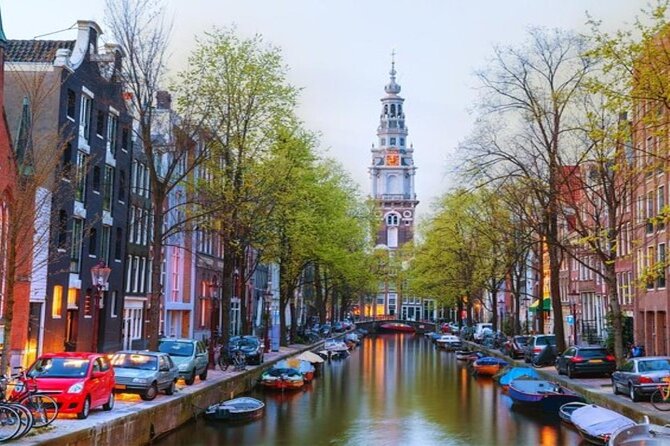
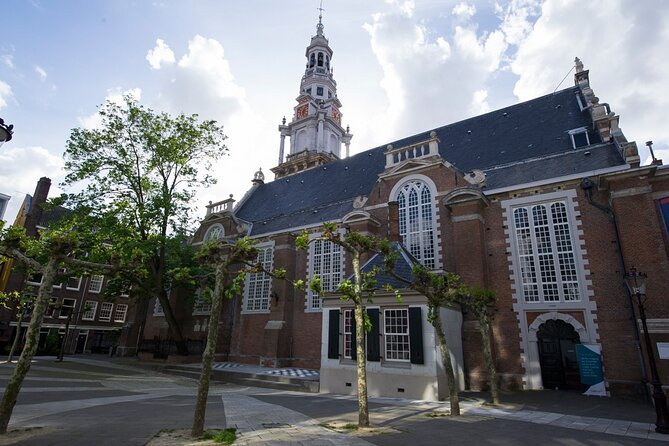
The Zuiderkerk, or Southern Church, is Amsterdam’s first Protestant church. Its tower is a familiar part of the city’s profile and is associated with views across Amsterdam.
The building now serves as a municipal information center, but its earlier religious role remains clear. Like the Rembrandt House, it gives you a wider sense of the city’s development. You are not simply moving between Holocaust sites. You are seeing how Amsterdam’s religious, artistic, and civic identity changed over time.
Again, entry is not included. The tour takes place outside, so you should not expect access to the tower or its viewpoint during the walk. The information about city views is useful if you want to return later, but check the separate opening and ticket arrangements before making plans.
This stop can be a welcome change of pace after the memorial in Wertheimpark. The route gives you a building, a tower, and a piece of urban history before returning to the personal focus of Anne Frank.
Finishing at the Anne Frank Statue
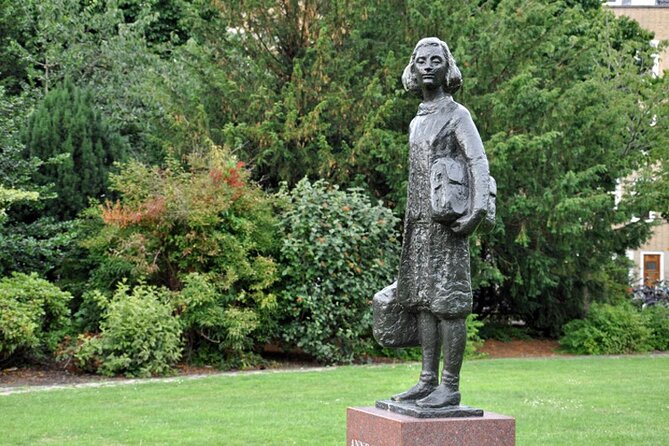
The tour ends at the Anne Frank Statue near the Anne Frank House at Westermarkt 20. The statue honors Anne and serves as a final reminder of the cost of intolerance.
Ending here makes sense. You have already discussed Jewish life, the Holocaust, memorial design, and Amsterdam’s wartime past. The statue brings those subjects back to one young person whose diary made the era personal for millions of readers.
Be clear about what this ending does and does not provide. You finish close to the Anne Frank House, but the house is not part of the tour. You need a separate admission ticket, and the walk does not give you access to the Secret Annex.
That limitation is also one of the tour’s strengths. You can book this experience even if the house is sold out, then decide how much more time you want to spend at the memorial or surrounding area. If you already have a house ticket, the walking tour can give you useful context before or after your visit.
What $37 gets you
At $37, the tour is priced as a guided history walk rather than an attraction package. The fee covers an expert historian guide and approximately two hours of commentary. Food and drinks are not included, and neither are admissions to the Portuguese Synagogue, Rembrandt House, Zuiderkerk, or Anne Frank House.
I think the price is fair if you want interpretation. The route includes several free outdoor sites, but the value comes from having someone explain their connections. A self-guided walk would cost less, yet you would need to research each monument and work out the historical links yourself.
The value drops if you expect several interior visits. You are paying for the guide and route, not a bundle of museum tickets. Consider adding the admission costs separately if you want to enter the buildings.
The stated maximum of 140 people deserves attention. That number is far above what most people would call a small group. A group that large can make it harder to hear, ask questions, or stay close to the guide. If group size is important to you, confirm the expected number before booking.
Timing, walking, and practical planning
The walk starts at 1 p.m. and lasts about two hours. It begins at Jonas Daniël Meijerplein and ends near the Anne Frank House, so you can continue sightseeing in central Amsterdam afterward.
You should plan for steady outdoor walking and several stops where you remain standing. The tour is near public transportation, and service animals are allowed. Most people can take part, but the supplied details do not state the exact distance, surface conditions, or pace, so ask the operator if you have specific mobility concerns.
Bring water and dress for the weather. There is no food or drink included, and the schedule does not describe a dedicated meal break. Amsterdam weather can change quickly, so a rain layer is a sensible choice even for a short walk.
The booking confirmation is issued at the time of reservation. You can cancel for a full refund up to 24 hours before the start time. Cancellations or changes made within 24 hours are not refunded or accepted, based on local time.
Who should book this walk?
I would choose this tour if you want Anne Frank’s story placed in a wider setting. It suits visitors who value clear historical explanation, outdoor memorials, and a route that combines Jewish heritage with Amsterdam’s art and architecture.
It is also a useful option if you could not get Anne Frank House tickets. The walk does not replace the house visit, but it gives you a serious and worthwhile alternative rather than leaving you with only the disappointment of a sold-out time slot.
Solo visitors may find the guided format helpful, especially because the route includes difficult subjects and the guide asks questions that encourage reflection. Families with older children may also find the two-hour length manageable, though the material concerns persecution and mass murder.
I would hesitate if you want a tiny group, several museum interiors, or a slow architectural tour. The 140-person maximum is a real consideration, and all building admissions are separate.
Should you book it?
Book this tour if you want a guided, outdoor history walk that connects Anne Frank to Amsterdam’s Jewish Quarter, Holocaust memorials, and older city landmarks. Stefan’s detailed explanations and thoughtful questions are a strong reason to choose it when he is leading the group.
Do not book it expecting entry to the Anne Frank House or the three other named buildings. At $37, you are buying two hours of historical guidance, not museum access. For that purpose, the route offers solid value, especially when the Anne Frank House is unavailable or you want more context before visiting it.
FAQ
Does the tour include entry to the Anne Frank House?
No. The tour ends near the Anne Frank House at Westermarkt, but admission is separate and must be purchased independently.
Where does the tour start?
The meeting point is Jonas Daniël Meijerplein 21, 1011 RG Amsterdam, Netherlands. The start time is 1 p.m.
Where does the tour end?
The walk ends near the Anne Frank House and Anne Frank Statue at Westermarkt 20, 1016 GV Amsterdam.
Are admission tickets included for the Portuguese Synagogue, Rembrandt House, or Zuiderkerk?
No. The tour visits these locations from outside, and admission is not included.
How long does the walking tour last?
The tour lasts approximately two hours. The six listed stops are planned for about 20 minutes each.
What is the cancellation policy?
You can cancel up to 24 hours before the start time for a full refund. Cancellations or changes made less than 24 hours before the start are not accepted, and the amount paid is not refunded.
Newest Amsterdam write-ups
- Zaanse Schans: Half-Day Private Guided Tour★ 5.0 · 4 reviews
- Zaanse Schans: Private Cruise + Live Guide, Optional Drinks★ 4.7 · 26 reviews
- Zaanse Schans: Wooden Shoe Painting Workshop★ 4.9 · 23 reviews
- Amsterdam: Private Zaanse Schans Windmills and Volendam Trip★ 4.9 · 31 reviews
- Zaanse Schans: Pancake Restaurant Visit★ 4.5 · 26 reviews
- Amsterdam: Zaanse Schans E-Bike Tour with Windmills & Cheese★ 4.5 · 12 reviews
- Zaandam: Paint a Perfect Portrait workshop★ 5.0 · 5 reviews
- Volendam: Volendams Museum Entry Ticket★ 4.4 · 14 reviews
Anne Frank Walking Tours, compared.

Anne Frank’s Story – Guided Walking Tour through Amsterdam
Read our review →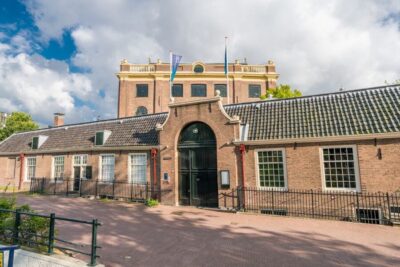
Life of Anne Frank and World War II Walking Tour
Read our review →

Anne Frank Walking Tour – Guided in EN/DE/IT/ES
Read our review →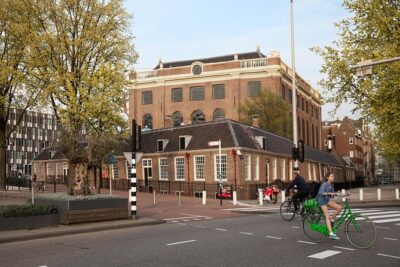
Anne Frank Walking Tour Amsterdam Including Jewish Cultural Quarter
Read our review →
Anne Frank’s Last Walk & See Anne Frank House in Virtual Reality
Read our review →
Anne Frank and Jewish Quarter Amsterdam Private Walking Tour
Read our review →
Browse the lists this tour appears in