
Reviewed · WALKING TOURS
Amsterdam: City walking experience with a local
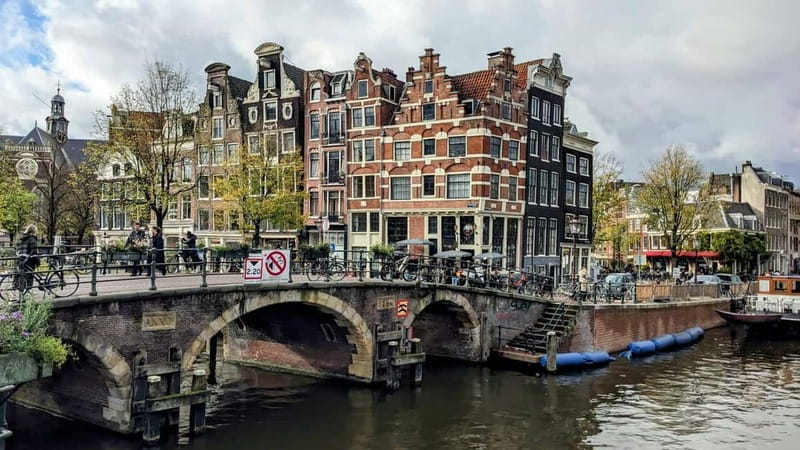
Amsterdam makes more sense when you connect its canals, tolerance, bicycles, and trade to the city’s past. This two-hour walking tour does that while covering Dam Square, Begijnhof, the Red Light area, and several less obvious corners of the center.
I like the small-group feel and the chance to ask questions as you walk. I also like the practical extras: a stroopwafel during the tour, a small souvenir at the end, and tips on coffee places, restaurants, bookshops, and museums. The main drawback is that two hours goes quickly, and the tour does not include entry to the Royal Palace.
Key points
- Local guide Manouk is a frequent highlight, with a warm, conversational approach and useful city suggestions.
- The route links major sights with lesser-known details, including the three XXXs, canal houses, bicycles, and Amsterdam’s changing social life.
- A stroopwafel break and small souvenir add a pleasant Dutch touch without raising the price beyond the $28 fee.
- The tour begins and ends at Beursplein, making it easy to fit into a first day in central Amsterdam.
- Sensitive subjects are part of the discussion, including WWII, coffeeshops, prostitution, and the Red Light area.
- It suits visitors aged 12 and older who want context and orientation rather than museum interiors.
Why this two-hour walk gives Amsterdam a clearer shape
At $28 per person, this is a fairly priced introduction to central Amsterdam. You are paying for a live local guide, a focused route, a Dutch snack, and a small souvenir. The real value is the explanation between the sights. Amsterdam can look like a pretty collection of bridges and narrow houses until someone explains how the city grew and why its modern freedoms developed.
The route also works well on a first day. You see several major landmarks, get a sense of direction, and collect ideas for the rest of your stay. The guide can point you toward coffee places, restaurants, bookshops, and museums, which makes the tour more useful than a simple photo walk.
The group is described as small, and a private group is available if you prefer a more personal arrangement. The published rating is 4.9 from 34 reviews, with especially strong praise for Manouk’s friendly manner, clear explanations, and ability to involve everyone in the conversation.
More walking tours in Amsterdam:
- Anne Frank’s Story – Guided Walking Tour through Amsterdam
★ 5.0 · 11,619 reviews - Amsterdam: Life of Anne Frank and World War II Walking Tour
★ 4.8 · 10,467 reviews - Absolutely Amsterdam – the Essential Introductory Walking Tour
★ 5.0 · 3,629 reviews
Starting at Beursplein beside Bistro Berlage
Meet at Beursplein, the square near Bistro Berlage. You should wait at the bottom of the stairs by the large black lantern. The guide will be holding a sign marked Guidance.
This is a practical meeting point in the center, but allow yourself enough time to find the correct spot. Central Amsterdam can be busy, and a few minutes spent locating the stairs is better than arriving breathless after the group has left.
The tour ends back at Beursplein, so you do not need to plan a complicated return journey. That also gives you a useful choice at the end. You can continue exploring on your own, stop for food, or use the guide’s recommendations while the information is fresh.
Dam Square and the city’s public heart
Dam Square is one of the essential stops on any first visit. Here you get sightseeing time along with an explanation of how Amsterdam changed from a small medieval settlement into a major city.
The Royal Palace is part of the area, but you do not go inside during this experience. That is important if palace interiors are a main reason for booking. You would need a separate admission ticket and a separate visit.
The advantage of seeing the palace from the route is efficiency. You get the setting and its place in Amsterdam’s public life without using your walking tour time in an indoor queue. The guide can keep the focus on the city around the building, rather than on one attraction alone.
Spui Square and the quieter Begijnhof
From the main square, the walk continues to Spui Square and Begijnhof. These stops help balance the grand public spaces with smaller, more peaceful parts of central Amsterdam.
Begijnhof is particularly useful for understanding how the city’s built environment changes from one street to the next. You move from busy central routes into a more enclosed setting, where the pace feels different. The guide’s role matters here because the significance of a quiet courtyard is easy to miss if you only pass through for photographs.
You should still remember that this is a walking experience, not a long private visit at every stop. The guide needs to keep the group moving to cover the full route. If you want extensive time for photographs at Begijnhof, you may wish to return later on your own.
A few more Amsterdam tours and tickets worth comparing
- Amsterdam: 75 Minute City Canal Cruise with Audio Guide
★ 4.4 · 17,501 reviews - Amsterdam: City Centre Canal Cruise
★ 4.2 · 12,827 reviews - Amsterdam: Smoke and Lounge City Boat Cruise
★ 4.7 · 8,572 reviews - Amsterdam: Guided Bike Tour City Centre in EN/DE/FR/ES
★ 4.7 · 4,187 reviews
A canal-house lesson at Huis Aan De Drie Grachten
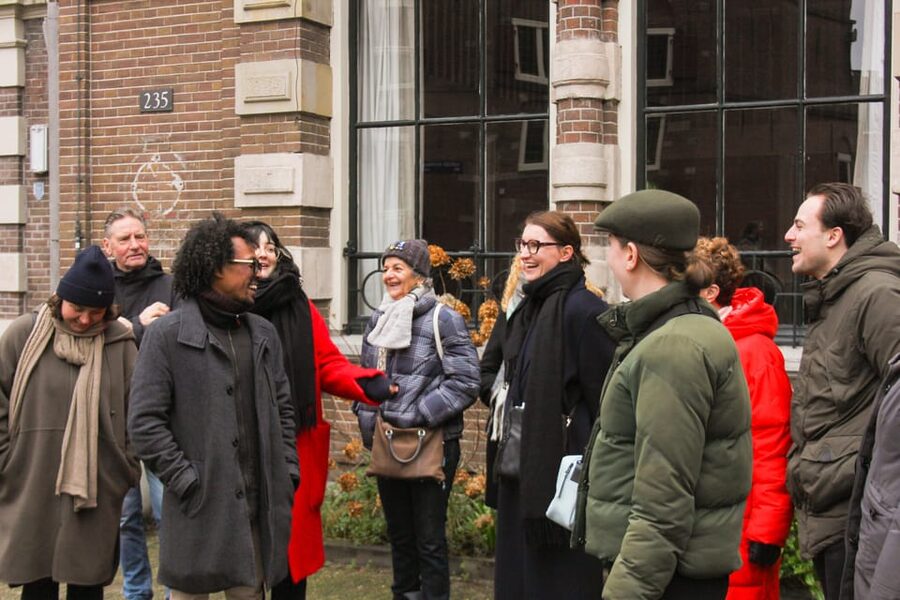
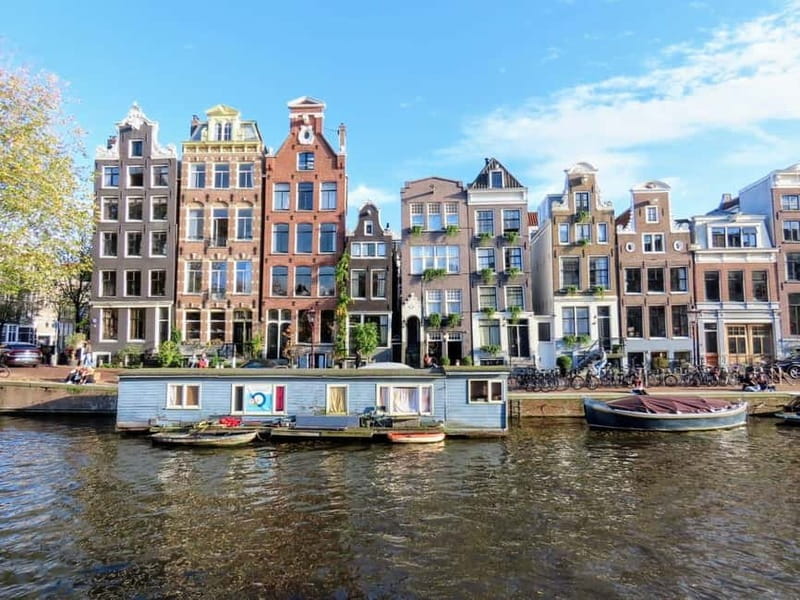
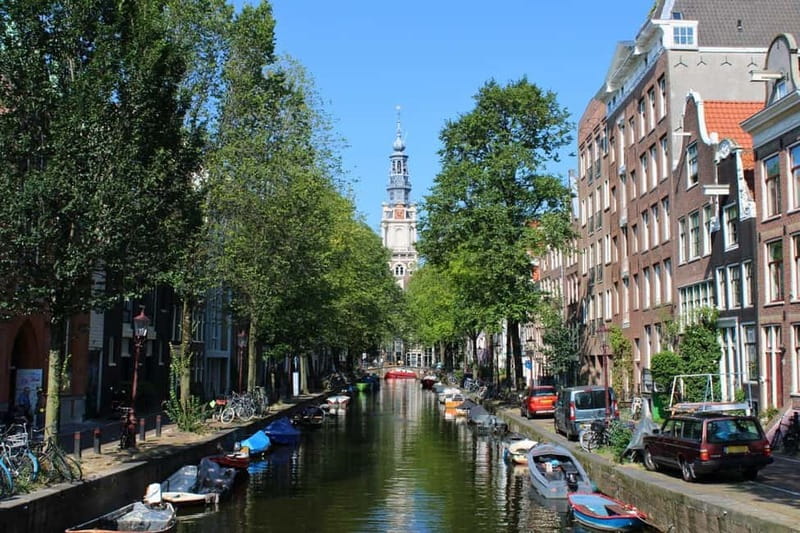
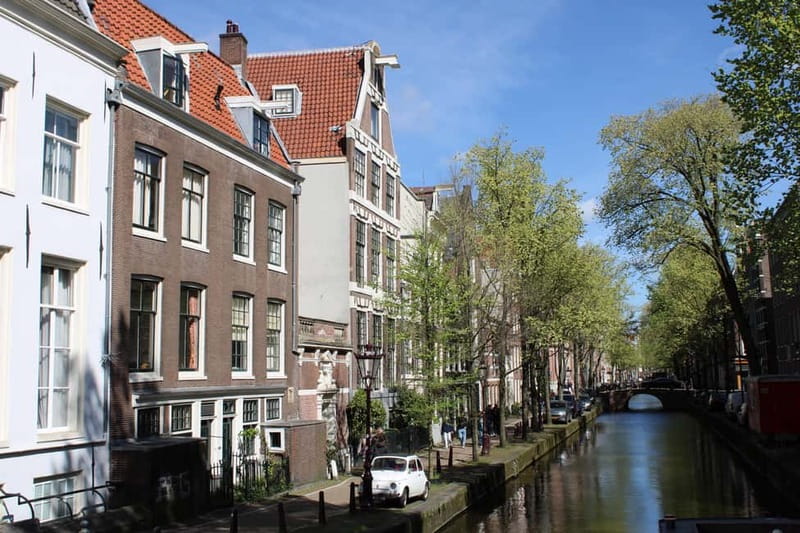
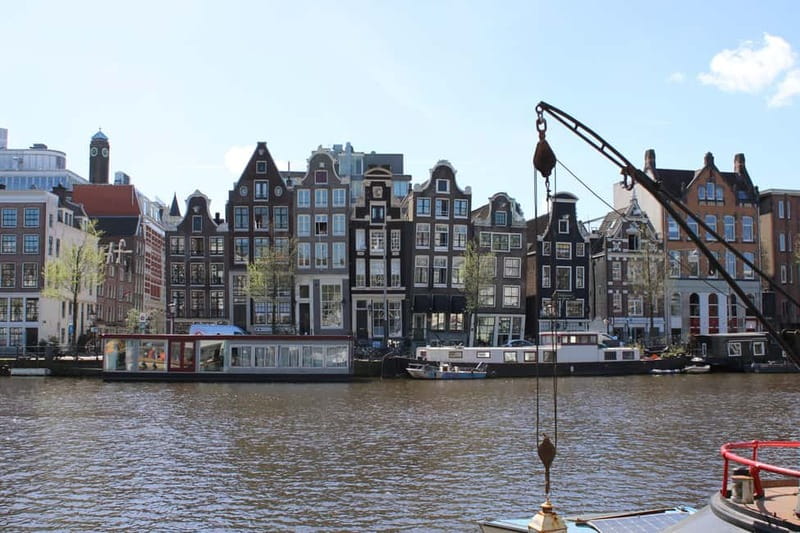
Huis Aan De Drie Grachten gives the route a strong architectural stop. Its name refers to a house beside three canals, and it helps show how Amsterdam’s waterways shape both the city’s appearance and its daily movement.
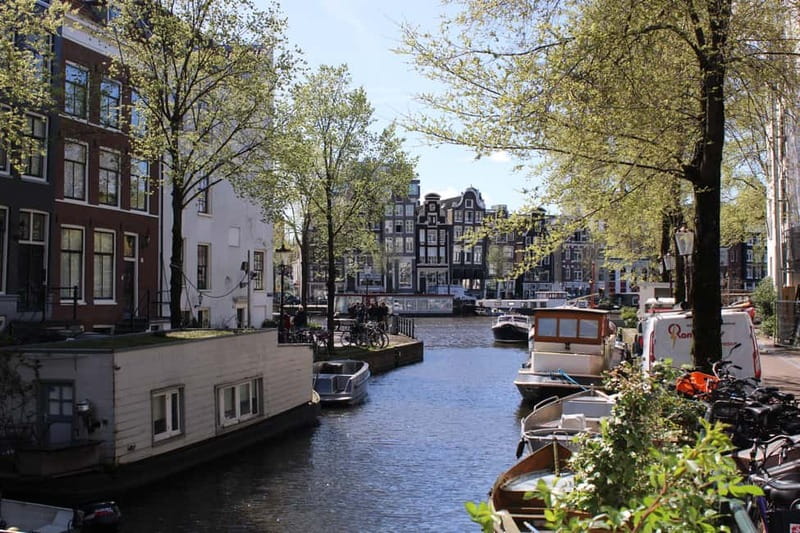
The canal belt is UNESCO-listed, and the tour uses it as a way to discuss how Amsterdam developed. You are not simply looking at water and narrow façades. You are learning why the canals matter, how the city has adjusted to modern needs, and how older buildings remain part of present-day life.
This is one of the better parts of the experience for anyone who wants more than a list of dates. The guide connects what you see to the way Amsterdam works now. You get a clearer idea of why the city feels open, compact, and built around water.
The three XXXs and Amsterdam’s changing identity
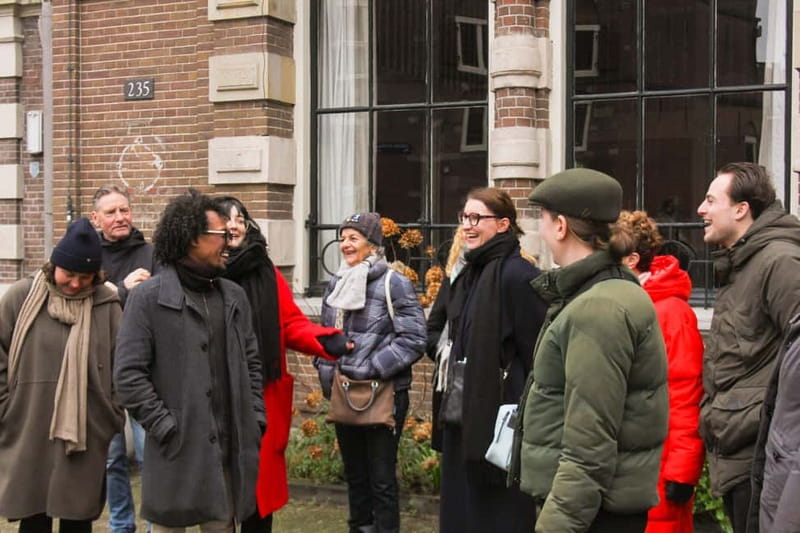
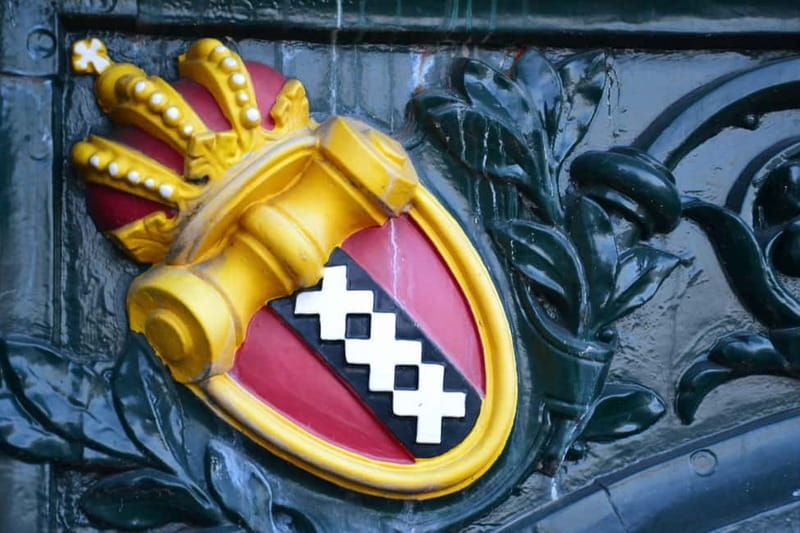
The tour discusses the three XXXs associated with Amsterdam. It also addresses the city’s reputation for coffeeshops and prostitution, along with the tolerant attitude that visitors notice in the center.
These subjects are handled as part of the city’s story, not as a separate party activity. You can expect an explanation of how social attitudes and city policies have changed over time. That makes this tour a better fit for adults and older teenagers than for young children. Children under 12 are not permitted.
The Red Light area is included in the route. This may be useful if you want a grounded explanation of the neighborhood, but it is not a good choice for anyone hoping to avoid adult themes entirely. The experience does not permit alcohol or drugs, and the focus remains on walking, conversation, and context.
Nieuwmarkt Square and Amsterdam’s wartime past
Nieuwmarkt Square adds another layer to the walk. Here the discussion can turn toward WWII and the effect of the war on Amsterdam.
This part matters because the city’s relaxed modern image can hide difficult chapters. A good city walk should make room for both the attractive and uncomfortable parts of local history. The experience aims to do that while showing how Amsterdam has continued to change.
You should not expect a museum-style lecture or a long stop indoors. The strength here is the guide’s spoken account and the chance to ask questions as the group moves through the city.
Centraal Station, bikes, and the final stretch
Amsterdam Centraal Station is the last major sightseeing stop before the walk returns to Beursplein. The station is a useful place to talk about the city’s role as a transport center and about the bikes that fill its streets.
Bicycles are treated as more than a tourist cliché. The guide explains why there are so many and what happens to the ones that disappear. That is the sort of everyday local detail that can make Amsterdam easier to understand when you continue exploring alone.
You will also get practical reminders about moving through the city. Even without a formal cycling lesson, a walking guide can help you pay attention to the different traffic patterns around canals, streets, and bike routes. Keep your eyes open and do not assume a quiet-looking path is meant for pedestrians.
Manouk’s guiding style and the value of conversation
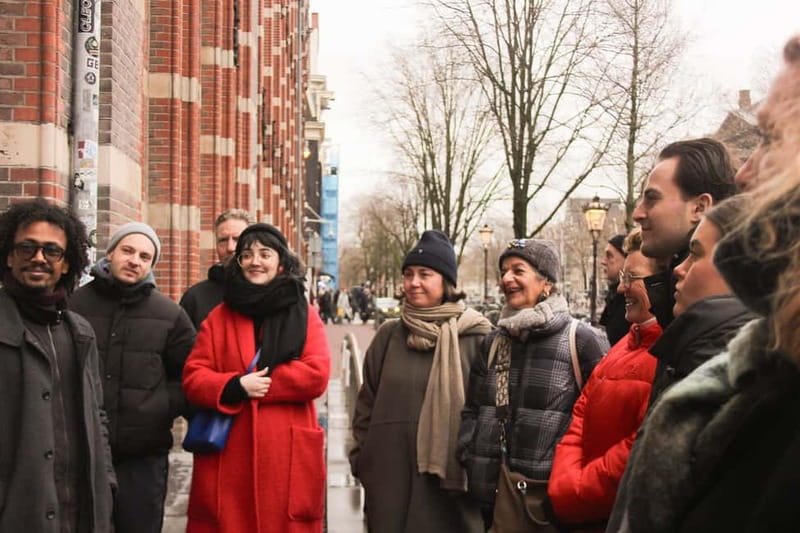
Manouk is the guide named most often in the supplied information, and her approach is a major reason this experience earns such strong praise. She is described as friendly, engaging, and good at drawing a group into the conversation rather than delivering a fixed speech.
That style is useful for a group of six or a couple traveling together. You can ask about a particular neighborhood, request suggestions for your free time, or follow up on a historical point. The tour is not just a route through landmarks. It is a chance to shape the conversation around what interests you.
Specific recommendations mentioned include coffee places, restaurants, bookshops, and museums. Those suggestions can save you time later, especially on a first visit when every central street seems to offer several choices.
A guide can vary by departure, so Manouk is not guaranteed unless confirmed when you book. Still, the repeated praise of her personal approach gives you a good idea of the intended tone: friendly, informed, and conversational rather than formal.
The stroopwafel break and Dutch souvenir
A stroopwafel is included during the walk. This sweet Dutch cookie is a small feature, but it gives the tour a welcome pause and adds a taste of local food without requiring a full restaurant stop.
You also receive a small souvenir at the end. The exact item is not specified, so do not book this expecting a particular product. Think of it as a modest keepsake that rounds out the experience.
These extras do not make the tour valuable on their own. Their importance is that they make a two-hour walk feel relaxed and personal. You get a short break, a local snack, and something to take away beyond photographs.
How much walking and what to wear
The route covers Beursplein, Dam Square, Spui Square, Begijnhof, Huis Aan De Drie Grachten, Nieuwmarkt Square, Amsterdam Centraal Station, and the return to Beursplein. That is a useful amount of central Amsterdam in two hours.
The pace should suit most people who are comfortable walking through the city, but you should wear sensible shoes. The experience is wheelchair accessible, which is an important advantage, though you may still want to confirm any route concerns when booking if your mobility needs are specific.
Since much of the experience takes place outdoors, dress for the weather. The tour runs in English or Dutch. Starting times vary, so check availability for the date you want rather than assuming a particular departure.
Who should book this Amsterdam walk
I would choose this experience if you are visiting Amsterdam for the first time and want an overview before exploring alone. It is also a good fit if you prefer personal stories, questions, and local suggestions over a large group with a microphone.
You will get the most from it if you are interested in both old and modern Amsterdam. The route covers canals and historic squares, but it also discusses WWII, bicycles, coffeeshops, prostitution, and the city’s changing social rules.
It may not suit you if you want long visits inside attractions. The Royal Palace is not entered, and the tour does not include admission tickets. It may also be a poor fit if adult subjects or the Red Light area are not appropriate for your group.
The experience is not suitable for children under 12. Private groups are available, which can help if you want more control over the pace or conversation.
Booking, cancellation, and overall value
The tour costs $28 per person. For two hours with a local guide, a snack, a souvenir, and a route through several central sights, that is good value, particularly if the walk helps you plan the rest of your stay.
The strongest value comes from the human element. You are not paying only to be taken to Dam Square or the canals. You are paying for explanations, local suggestions, and a chance to ask about the parts of Amsterdam that are difficult to understand from a guidebook photograph.
You can cancel up to 24 hours before the activity for a full refund. You can also reserve now and pay later, which is helpful when your schedule is still taking shape.
Should you book this tour?
Book it if you want a friendly first look at Amsterdam with serious context and a relaxed pace. The combination of canals, Dam Square, Begijnhof, the Red Light area, WWII, bicycles, and local food gives you a broad picture in a short time.
I would especially recommend it for couples, small groups, and first-time visitors who like asking questions. Manouk’s reported guiding style is a strong reason to look for this experience, though your guide may differ.
Skip it if you want a palace interior, a museum visit, or a narrowly focused architectural tour. For most visitors wanting a practical introduction to central Amsterdam, $28 is a sensible spend.
FAQ
How long does the Amsterdam city walking experience last?
The experience lasts two hours. Starting times vary, so check availability for your chosen date.
Where does the tour begin?
The meeting point is Beursplein. Wait at the bottom of the stairs of Bistro Berlage, beside the large black lantern. The guide will hold a sign marked Guidance.
Where does the tour end?
The walk ends back at Beursplein, the same location where it begins.
Which places are included on the route?
The route includes Dam Square, Spui Square, Begijnhof, Huis Aan De Drie Grachten, Nieuwmarkt Square, and Amsterdam Centraal Station. The walk also covers canals and the Red Light area.
Does the tour include the Royal Palace?
No. The Royal Palace is not visited inside, and entrance tickets are not included.
Is food included?
Yes. You receive a Dutch snack, specifically a stroopwafel, during the experience.
Do I receive a souvenir?
Yes. A small souvenir is included at the end of the tour. The exact item is not specified.
What languages are available?
The live tour guide is available in English or Dutch.
Is the tour wheelchair accessible?
Yes, the activity is listed as wheelchair accessible.
Can I book a private group?
Yes. A private group option is available.
Are children allowed?
The experience is not suitable for children under 12 years old.
Can I cancel for a refund?
Yes. You can cancel up to 24 hours in advance for a full refund.
Can I reserve without paying immediately?
Yes. The reserve now and pay later option lets you hold your plans without paying at the time of booking.
Newest Amsterdam write-ups
- Amsterdam: Dutch Wine Tasting with Sommelier★ 4.8 · 46 reviews
- Amsterdam: Dutch Craft Beer Tasting with cheese and snacks★ 4.5 · 4 reviews
- Amsterdam: Amsterdam Dungeon and Canal Cruise Entry Ticket★ 4.5 · 43 reviews
- Amsterdam: Dutch Bitterballen and Croquette Tasting★ 3.9 · 193 reviews
- Amsterdam: Day City tour with local Guide in German★ 5.0 · 24 reviews
- Amsterdam: Day Trip to Flower Parade & Keukenhof on April 18★ 3.8 · 37 reviews
- Amsterdam: De Nieuwe Kerk Entry Ticket★ 4.4 · 5 reviews
- Amsterdam: Countryside Bike Tour and Zaanse Schans Windmills★ 4.9 · 152 reviews
Walking Tours, compared.

Anne Frank’s Story – Guided Walking Tour through Amsterdam
Read our review →
Life of Anne Frank and World War II Walking Tour
Read our review →
Absolutely Amsterdam – the Essential Introductory Walking Tour
Read our review →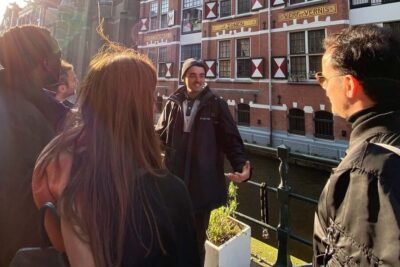

Anne Frank Walking Tour – Guided in EN/DE/IT/ES
Read our review →

Anne Frank Walking Tour Amsterdam Including Jewish Cultural Quarter
Read our review →Browse the lists this tour appears in