
Reviewed · ANNE FRANK WALKING TOURS
Amsterdam: Anne Frank’s Last Walk & Visit the House in VR
The most useful part of this Amsterdam experience is that it connects Anne Frank’s story to the streets around her. You walk part of the route toward the hiding place, hear diary passages, and then enter a furnished virtual version of the Secret Annex. The VR visit gives you a sense of the rooms as living spaces, something the actual house does not provide because its furniture was removed.
I like the combination of the walking tour and the headset experience. I also like that the tour includes a drink at a nearby café, giving you a quiet pause after a serious subject. Guides such as Michael, David, Kees, and Carolina are praised for their warmth and strong storytelling. The main drawback is simple: this is not admission to the real Anne Frank House, and the walk includes standing and distance, so it is not suited to people with mobility impairments.
Key points to know before booking
- The walk follows part of Anne Frank’s final journey toward the Secret Annex on Prinsengracht.
- Diary passages give the history a personal voice, rather than presenting only dates and facts.
- The VR house includes furniture and belongings, unlike the preserved, empty rooms in the actual house.
- Michael, David, Kees, and Carolina are among the guides named in the feedback, with strong praise for their storytelling and care.
- A coffee, tea, soft drink, beer, or wine is included at a café near the Anne Frank House.
- The $49 price does not include admission to the actual Anne Frank House, which must be booked separately.
Why this tour works better than a museum visit alone
Anne Frank’s story can feel strangely detached when reduced to a museum room, a timeline, and a famous book. This experience tries to put the story back into Amsterdam itself. You begin outside the house, walking through the city and considering the final route Anne and her family took before disappearing into hiding.
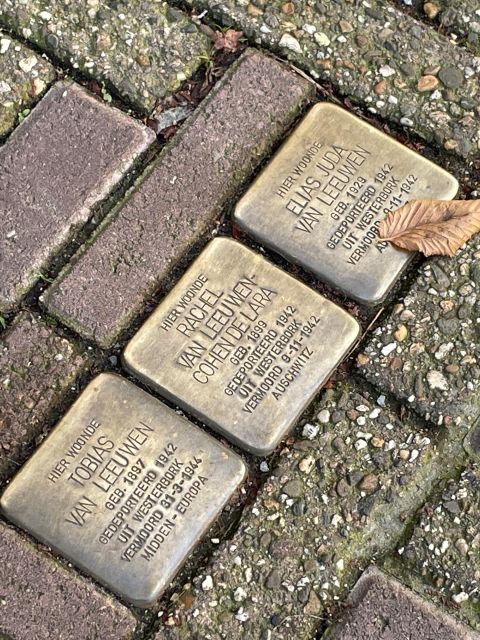
That approach matters. You are not only looking at an address on Prinsengracht. You are hearing how the family reached the hiding place, what Nazi occupation meant in Amsterdam, and how Anne described her world in her diary. The guide fills in the setting around the story, including the treatment of Jewish families and the pressures of daily life during World War II.
The walking portion lasts long enough to give the subject room, but the experience is still tightly timed at about 2.5 hours. Guides stop along the way to explain important points, and diary extracts help connect those stops to Anne’s own thoughts. One guide, Kees, has also shared a personal family connection to the wartime period, which can add a more human layer to the discussion when that guide is leading your group.
You should expect a serious tour. There is room for warmth and even a little humor from some guides, but the subject is persecution, concealment, and loss. That balance is one of the tour’s strengths. The best guides, including Michael and David, are described as caring and expressive without treating the story as a stage performance.
More Anne Frank walking tours:
- Anne Frank’s Story – Guided Walking Tour through Amsterdam
★ 5.0 · 11,619 reviews - Amsterdam: Life of Anne Frank and World War II Walking Tour
★ 4.8 · 10,467 reviews - Amsterdam: Anne Frank Guided Small Group Walking Tour
★ 4.8 · 2,722 reviews
Walking Anne Frank’s final route through Amsterdam
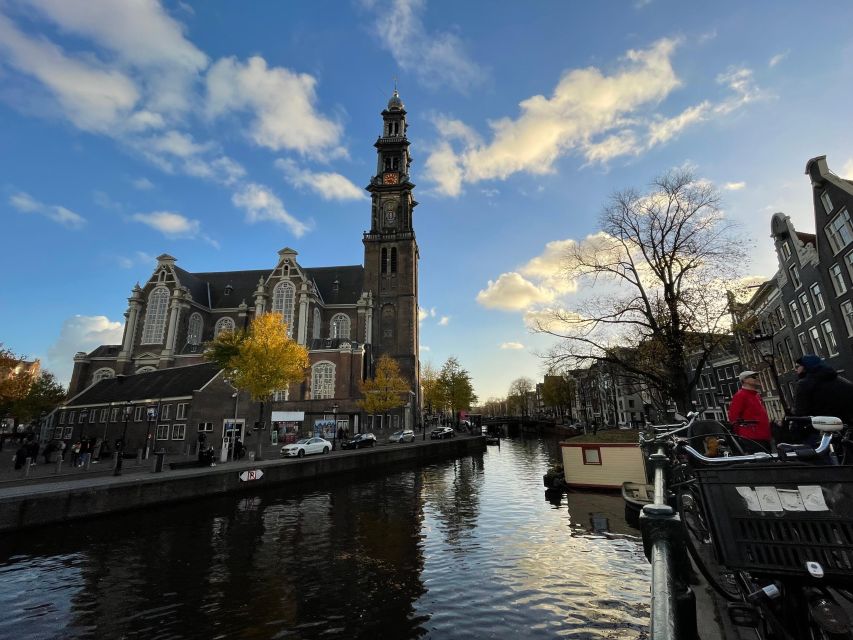
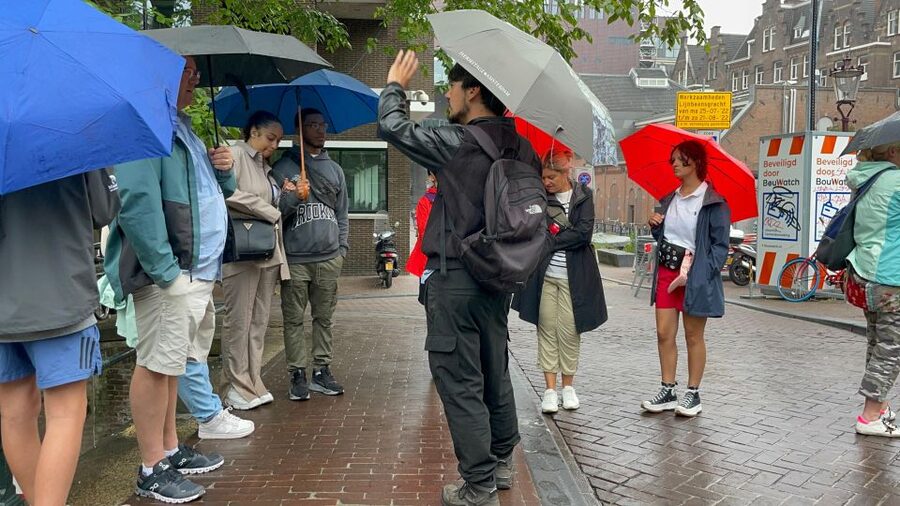
The title refers to the last part of the journey Anne and her family made toward the Secret Annex. The route leads toward Prinsengracht, where the hiding place was located. The point is not to reproduce every step of the family’s journey, but to help you picture the movement from ordinary Amsterdam streets to a concealed life behind a bookcase.
The walk also places Anne’s story within Amsterdam’s wartime setting. You hear about the occupation, the restrictions placed on Jewish people, and the danger faced by families trying to remain unseen. This broader context is important because the Frank family story did not happen in isolation. The city around them shaped every choice they made.
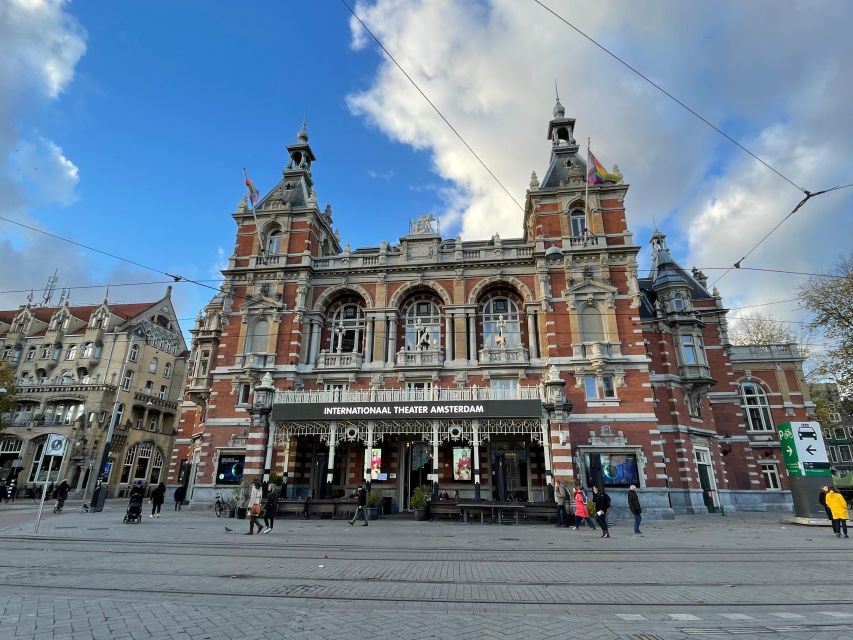
A guide may pause at places connected to wartime Amsterdam, including a former jail used by the Germans in the city centre. That stop is historically useful, although one practical point is worth noting: the walk’s individual stops may sometimes feel like separate pieces of Amsterdam history rather than a perfectly continuous retelling of Anne’s last journey. The guide has limited time, and not every location is directly tied to Anne herself.
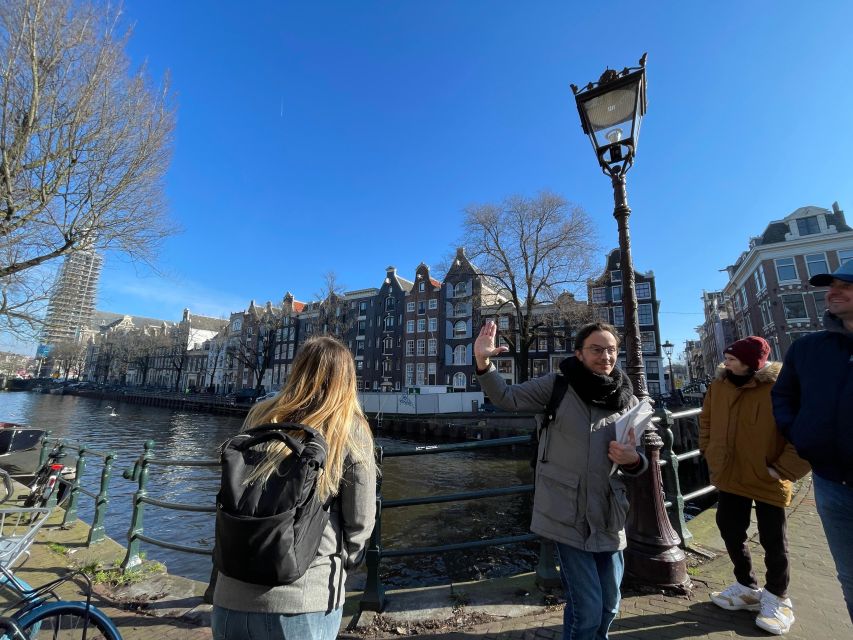
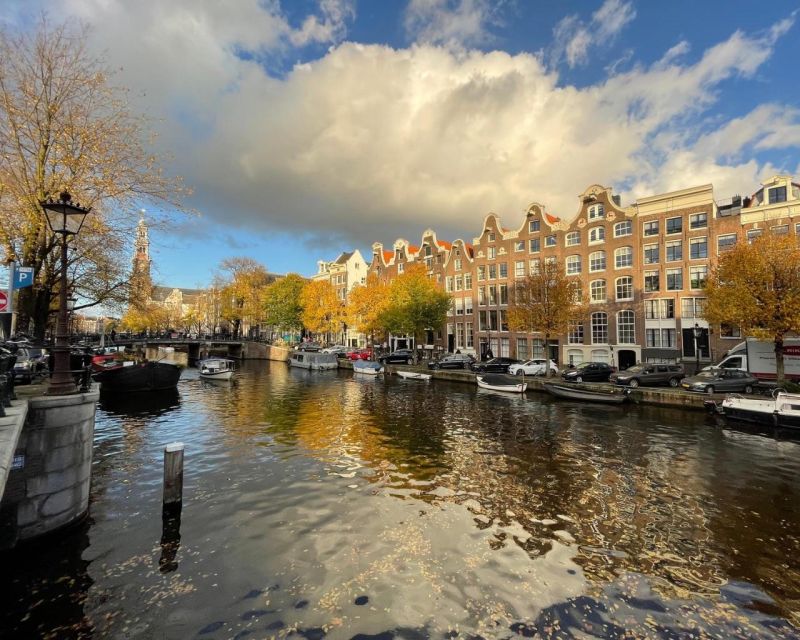
The route also gives you a chance to see Amsterdam at street level. The city’s canals and old buildings can seem picturesque, but the tour asks you to consider how familiar streets could carry a very different meaning during the occupation. That contrast is handled best when you listen closely rather than treating the walk as a general sightseeing tour.
Wear comfortable shoes. You will walk and stop for explanations, and one person specifically noted that the distance and standing are not ideal for anyone who has trouble walking. The activity is also not suitable for people with mobility impairments or children under six.
Anne’s diary passages bring the story closer

The guide uses extracts from Anne’s diary during the walk. This is more effective than a nonstop lecture because you hear Anne’s voice at selected moments, then connect her words to the setting around you.
The diary passages also help keep the tour from becoming a list of wartime facts. Anne wrote about fear, frustration, hope, family tension, and the strange routine of living in hiding. Her observations make the Secret Annex feel less like a symbol and more like a place where people still had to eat, sleep, argue, study, and wait.
Different guides bring different strengths. Michael is praised for careful explanations and a gentle manner. David is described as passionate, professional, and especially good at making the history understandable. Kees brings strong personal storytelling and an engaging style, while Carolina is described as informed and committed to the subject.
Because this is a live tour, the experience can vary slightly with the guide and the size of the group. A small group gives you more room to ask questions and makes the serious stops feel quieter. A private group is available if you want a more personal format, though the supplied price is listed as $49 per person and private-group pricing may differ.
Entering the Secret Annex with an Oculus headset
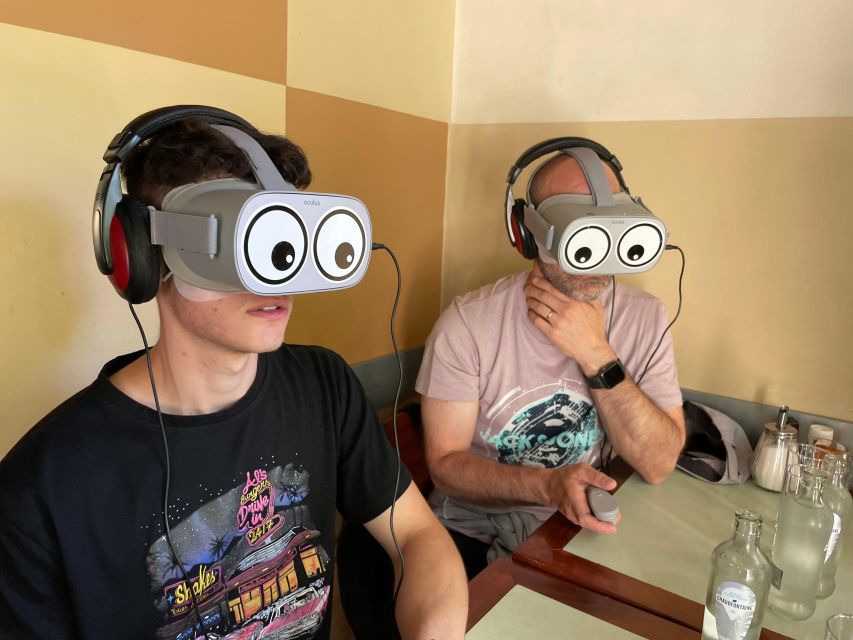
After the walk, you go to a café near the Anne Frank House for the VR portion. The guide helps you use an Oculus VR headset, and a drink is included. You can choose coffee, tea, a soft drink, beer, or wine.
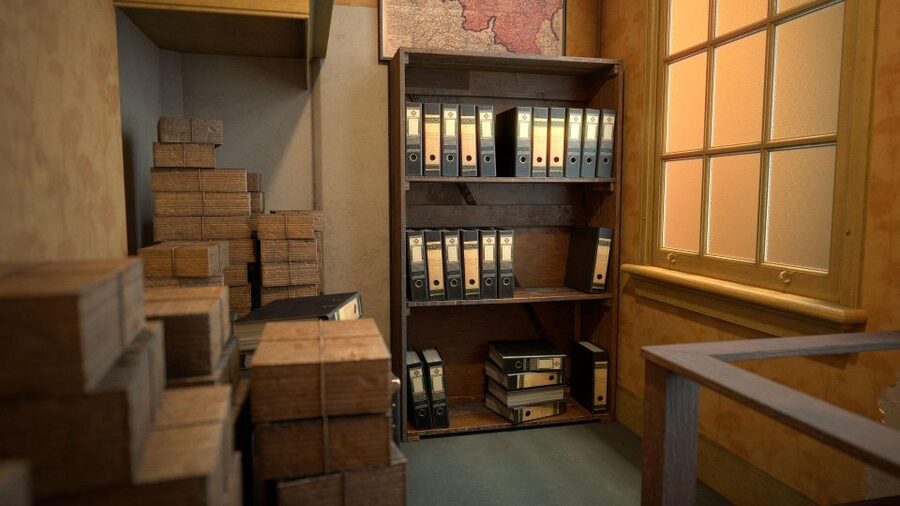
The virtual house is the tour’s main selling point. It recreates the Secret Annex with furniture and belongings in place, allowing you to see how the rooms may have functioned as a home during two years of hiding. You can look around at your own pace instead of being carried along with a packed line.
This makes the VR version different from the actual Anne Frank House. The real house is preserved without furniture, following Otto Frank’s wishes. That empty presentation has its own purpose: it emphasizes the loss and absence left behind. The virtual version gives you another kind of understanding. It lets you consider where people sat, slept, stored possessions, and moved through the confined rooms.
Several parts of the experience are especially useful for first-time VR users. David is praised for explaining the equipment clearly, and the headsets are presented as manageable even if you have never used VR before. You should still expect the experience to feel slightly technical at first. The tour staff help you get oriented, but the headset itself can never replace being physically inside a historic building.
The VR tour also avoids the crowds associated with the actual house. You do not have the same pressure to move along with a line of people, and the virtual setting gives you more time to look. That makes it a good alternative for anyone who could not obtain an Anne Frank House ticket or who wants more visual context after visiting the museum.
Still, do not book this experience thinking it secretly includes entry to the real house. It does not. The actual Anne Frank House ticket is separate, and the tour cannot substitute for standing in the original rooms. It is best understood as a different way to see the annex, not a replacement admission ticket.
More walking tours in Amsterdam:
- Absolutely Amsterdam – the Essential Introductory Walking Tour
★ 5.0 · 3,629 reviews - Amsterdam: Anne Frank Walking Tour – Guided in EN/DE/IT/ES
★ 4.9 · 2,676 reviews - Amsterdam: Guided Cultural Walking Tour
★ 4.9 · 2,384 reviews - Amsterdam: Guided Ganja Walking Tour of Coffee Shops
★ 4.2 · 2,092 reviews
What the $49 price really covers
At $49 per person, the price is reasonable if you want both a guided history walk and a structured VR experience. You are paying for about 2.5 hours, a live guide, the walking route, the headset session, and one drink. For a visitor who could not reserve the actual museum, it offers a substantial way to learn about the story.
The value is less clear if you already have a detailed Anne Frank House visit booked and want only a quick introduction. In that case, the VR section may repeat some information, although the furniture-filled recreation will still show the annex in a different way.
The drink is a modest inclusion, but it helps the pacing. After walking and discussing painful history, sitting down at a nearby café gives you a natural transition into the VR experience. Food is not included, so do not treat the stop as a meal.
The price also needs to be considered alongside the missing museum ticket. You should budget separately if you plan to visit the actual Anne Frank House. Since museum entry is not part of this activity, check both schedules before booking so you do not assume the tour gives you access to Prinsengracht 263.
Group size, language, and practical limits
The tour is described as English only for participants, even though the activity information lists live guide languages as English, Dutch, and Spanish. If the language matters to you, confirm the language for your selected departure before paying, because the clear instruction for this experience is that the tour is in English.
The activity ends back at the meeting point, but the exact starting point may change depending on the option you book. Read the meeting instructions carefully on the day of reservation. The walk is not suitable for children under six, and people with mobility impairments should choose another way to learn about the Anne Frank House.
You can cancel up to 24 hours before the start for a full refund. A reserve-now, pay-later option is also available, which is useful when you are still arranging a busy Amsterdam schedule.
The guides are one of the biggest variables. Michael and David receive especially strong praise for making the history clear and personal. Kees is a lively storyteller with a family connection to the wartime subject, while Carolina is described as passionate and well prepared. If you are offered a private group, that format may be worthwhile for families or small parties who want more time for questions.
Who should book this Anne Frank experience?
I would recommend it to you if the actual Anne Frank House is sold out, if you want more historical context than a museum visit alone provides, or if you learn best by walking through a place before seeing it recreated. It also suits people who are curious about VR but want the technology tied to a serious subject rather than used as a novelty.
It is especially useful for adults and older children who already know a little about Anne Frank and want to understand the setting around her diary. The walking route, diary extracts, and furnished virtual rooms work together well. A group that includes first-time VR users should be comfortable with the headset after the guide’s explanation.
I would be more cautious if you want a quiet, purely reflective museum visit. The walking format means listening outdoors, standing at stops, and moving with the group. It is also not the right choice if you require step-free access or cannot walk for a sustained period.
One other point: avoid booking this as a substitute because someone has told you the actual Anne Frank House is not worth visiting. The real museum and this tour serve different purposes. The museum gives you the original building and a restrained presentation. This activity gives you a guide, a city walk, diary readings, and a furnished digital model. Many visitors will find value in doing both if time and tickets allow.
Should you book it?
Book this tour if you want Anne Frank’s story explained through Amsterdam’s streets, with a guide who can add context and answer questions. The VR Secret Annex is the strongest feature, especially because it restores furniture and everyday detail that you cannot see in the actual house.
Skip it if you already have limited walking ability, need a non-English tour, or are expecting admission to the real Anne Frank House. For most other visitors, $49 is a fair price for the combination of a thoughtful walking tour, an Oculus experience, and a drink near Prinsengracht. Just book the actual house separately if you want to enter it.
FAQ
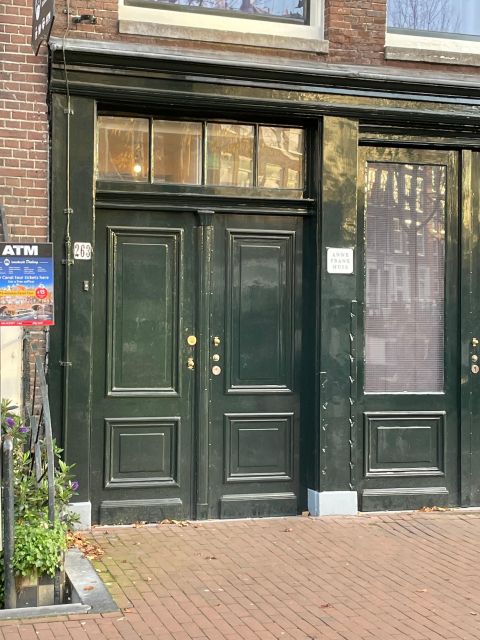
Does this tour include entry to the actual Anne Frank House?
No. Tickets and entry to the Anne Frank House are not included. The activity uses a virtual reality recreation of the Secret Annex instead.
How long does the experience last?
The tour lasts about 2.5 hours. Starting times depend on availability.
Is the tour offered in English?
Yes. The tour is described as English only. The activity information also lists English, Dutch, and Spanish among the guide languages, so confirm the language of your selected option when booking.
What does the VR experience show?
The Oculus VR experience shows the Secret Annex with furniture and belongings in place. This lets you see how the rooms may have looked while Anne Frank and the others lived there.
Is a drink included?
Yes. You can choose coffee, tea, a soft drink, beer, or wine at a café near the Anne Frank House. Food is not included.
Is the tour suitable for children and people with mobility impairments?
The activity is not suitable for children under six or for people with mobility impairments. The walking tour includes distance and periods of standing.
Can I cancel the booking?
You can cancel up to 24 hours before the activity for a full refund. A reserve-now, pay-later option is also available.
Newest Amsterdam write-ups
- Zaanse Schans: Half-Day Private Guided Tour★ 5.0 · 4 reviews
- Zaanse Schans: Private Cruise + Live Guide, Optional Drinks★ 4.7 · 26 reviews
- Zaanse Schans: Wooden Shoe Painting Workshop★ 4.9 · 23 reviews
- Amsterdam: Private Zaanse Schans Windmills and Volendam Trip★ 4.9 · 31 reviews
- Zaanse Schans: Pancake Restaurant Visit★ 4.5 · 26 reviews
- Amsterdam: Zaanse Schans E-Bike Tour with Windmills & Cheese★ 4.5 · 12 reviews
- Zaandam: Paint a Perfect Portrait workshop★ 5.0 · 5 reviews
- Volendam: Volendams Museum Entry Ticket★ 4.4 · 14 reviews
Anne Frank Walking Tours, compared.

Anne Frank’s Story – Guided Walking Tour through Amsterdam
Read our review →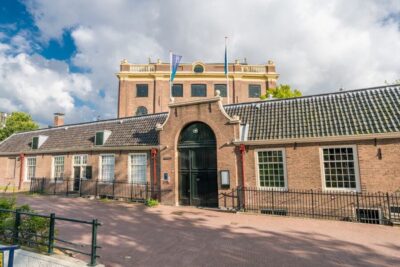
Life of Anne Frank and World War II Walking Tour
Read our review →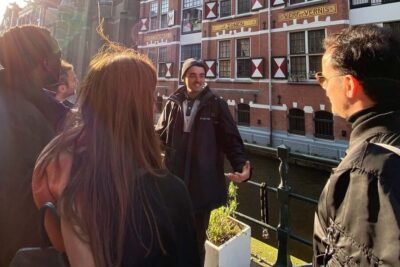

Anne Frank Walking Tour – Guided in EN/DE/IT/ES
Read our review →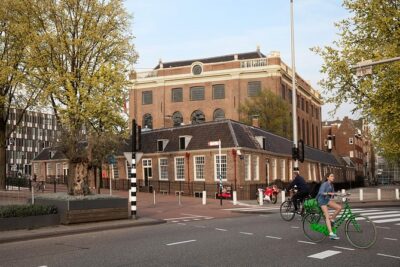
Anne Frank Walking Tour Amsterdam Including Jewish Cultural Quarter
Read our review →
Anne Frank’s Last Walk & See Anne Frank House in Virtual Reality
Read our review →
Anne Frank and Jewish Quarter Amsterdam Private Walking Tour
Read our review →
Browse the lists this tour appears in