
Reviewed · AMSTERDAM HISTORY WALKING TOURS
Amsterdam 2 Hour History Walking Tour
Amsterdam’s story is packed into this two-hour walk: water management, religious conflict, overseas trade, royal politics, wartime loss, and the modern city all appear before you in a compact route. The tour is especially useful when you are new to town and want the big picture before visiting museums or exploring on your own.
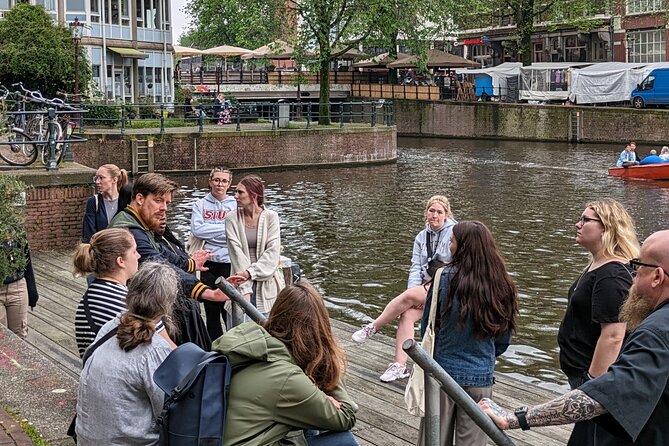
I like the small maximum of 10 people, which should make it easier to hear the guide and ask questions. I also like the mix of serious history and humor, plus practical advice for getting around Amsterdam. The main drawback is that two hours moves quickly, so each stop gets only a few minutes and the tour does not include admission to the Royal Palace or any other attraction.
Key points to know before you book
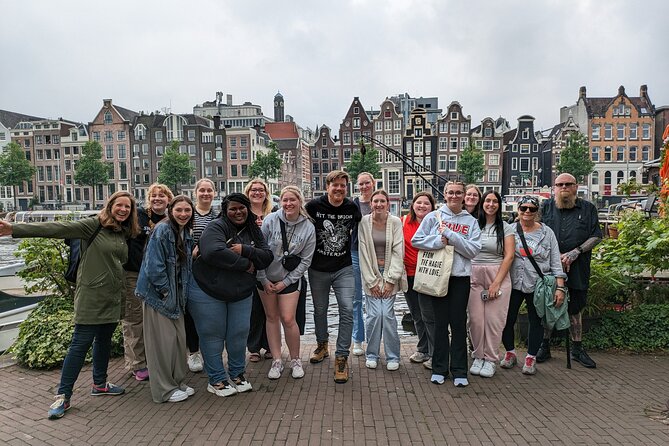
- Ten-person limit: The small group supports a calmer walk and more personal contact with the guide.
- A strong first-day choice: You get city orientation, local tips, and a useful framework for Amsterdam’s past.
- A wide historical range: The route covers canals, the Red Light District, Protestantism, Jewish Amsterdam, Dutch trade, and the monarchy.
- Free sights, no entry tickets: You see important places from outside or in public spaces, but admission fees are not included.
- Two memorable photo stops: Groenburgwal includes the famous Monet bridge, and the canal belt supplies classic Amsterdam views.
- Bring a refillable bottle: Water is not supplied, though several points along the route allow you to refill.
Why this walk works well on your first morning in Amsterdam
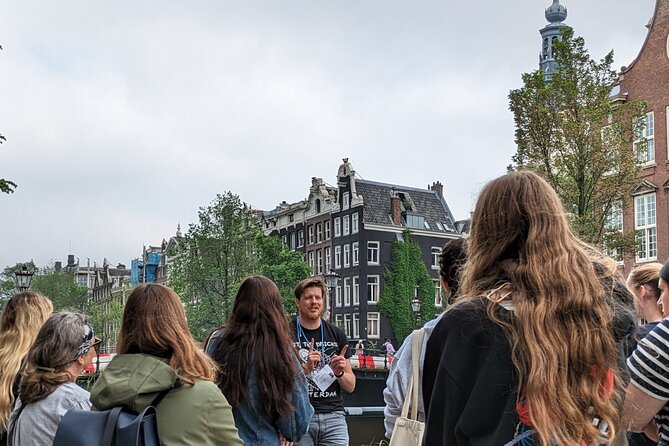
The best thing about this tour is its range. You are not spending two hours on one narrow subject or ticking off only postcard views. Instead, you move through the city while the guide explains how water, faith, commerce, war, and royal power shaped Amsterdam.
That broad approach helps you get your bearings fast. After the walk, the city’s canals are not just pretty waterways, and the Red Light District is not just a famous nightlife zone. You have a clearer sense of why Amsterdam developed as it did and how the Dutch tend to think about those changes today.
The tone also matters. Guides such as Axel and Mark have been praised for being funny, approachable, and able to make people feel comfortable in a group. That is useful if you are traveling alone, arriving in Amsterdam without much background, or simply prefer a walk that feels conversational rather than formal.
The route is offered in English and begins at 11:00 a.m. with Hit the Bricks Walking Tours on Prinsenstraat. It finishes on Dam Square, only about two minutes from the starting area, so you do not end up stranded in an unfamiliar part of town.
More history walks in Amsterdam:
- Amsterdam: Life of Anne Frank and World War II Walking Tour
★ 4.8 · 10,467 reviews - Amsterdam: Dutch WWII Resistance Museum Entry Ticket
★ 4.7 · 951 reviews - Amsterdam High-End Dutch Food & History Tour – Up to 8 guests
★ 5.0 · 482 reviews
Canal Ring: Amsterdam’s bargain with the water
The walk starts in the Canal Ring, the best possible setting for a lesson in Amsterdam’s basic problem: much of the country has had to live with water rather than simply push it away.
Here, the guide explains how the Dutch learned to build, drain, manage, and coexist with water. That practical struggle shaped more than streets and canals. It also influenced the country’s habits, culture, and way of thinking.
You get only about five minutes at this first stop, but the real value is the context. Look closely at the water, bridges, narrow buildings, and tightly arranged streets as the guide connects them to the larger story. The tour begins with a useful question: how does a country build a major city when water is always part of the equation?
De Wallen: beyond the stereotype
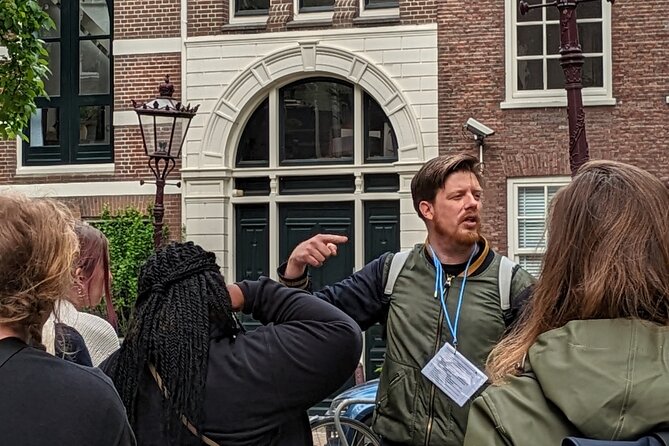
The Red Light District, known locally as De Wallen, gets about ten minutes. This is one of Amsterdam’s most famous areas, and the tour uses it to explain how the neighborhood began, why it exists in this location, how it operates, and how Dutch society views it.
That last point is important. A quick walk through De Wallen can leave you with a shallow impression unless someone explains the local context. The guide helps you look past the obvious shop windows and crowds to understand how the district fits into Amsterdam’s broader approach to sex work and public life.
This stop may not suit every visitor, especially if you prefer a quiet historical walk. Still, it gives you a more grounded view than simply passing through on your own. The guide’s use of humor can keep the subject approachable, while the short time here prevents the district from taking over the entire tour.
Dam Square and the city’s central stage
Dam Square receives about five minutes and serves as both a historical setting and the tour’s final point. It is Amsterdam’s central square, a place where major public events, royal associations, and the city’s long struggle with water come together.
The guide returns to the question of water here, showing how Amsterdam’s physical challenges affected its growth and identity. The square is also a practical stop for your day because it connects easily with public transportation and leaves you in a central location.
Do not expect a full architectural tour of every building around the square. The stop is short, so think of it as a compact explanation of why this open space matters rather than an extended visit.
More walking tours in Amsterdam:
- Anne Frank’s Story – Guided Walking Tour through Amsterdam
★ 5.0 · 11,619 reviews - Absolutely Amsterdam – the Essential Introductory Walking Tour
★ 5.0 · 3,629 reviews - Amsterdam: Anne Frank Guided Small Group Walking Tour
★ 4.8 · 2,722 reviews - Amsterdam: Anne Frank Walking Tour – Guided in EN/DE/IT/ES
★ 4.9 · 2,676 reviews
South Church and the shift from Catholic to Protestant
At South Church, the group pauses for roughly five minutes in the peaceful inner courtyard beside the church. The setting offers a welcome break from the busy streets and gives the guide room to explain how and why the Dutch moved from Catholicism to Protestantism.
This is one of the tour’s useful features: major religious change is explained in a real place rather than as a detached lecture. The quiet courtyard should make it easier to listen and reflect, though the limited time means you will get the main story rather than a detailed account of every stage of the change.
If religious history is new to you, this stop can help explain why Amsterdam’s churches, buildings, and public traditions do not always match the city’s modern image.
Jodenbreestraat and Amsterdam’s wartime losses
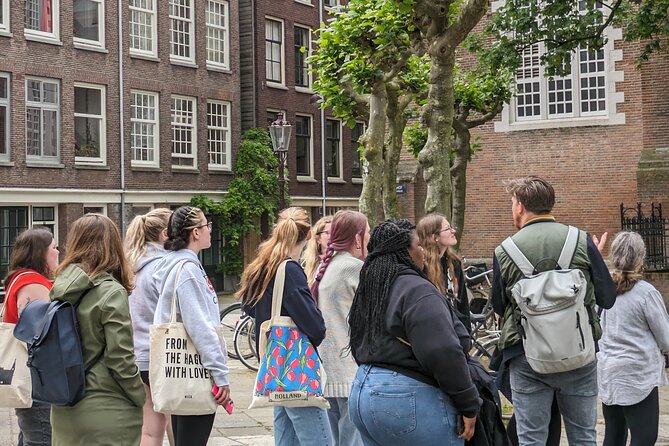
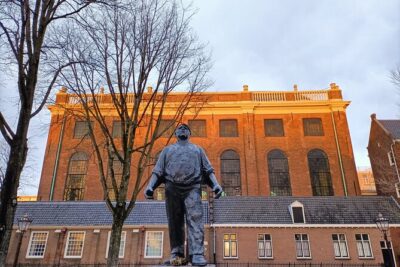
At Jodenbreestraat, near the beginning of Amsterdam’s Jewish Quarter, the tone turns serious. In about five minutes, the guide addresses the fate of tens of thousands of Jewish people who lived in Amsterdam before and during the war, along with the terrible hunger winter.
This is a short stop, but it deals with subjects that should not be rushed past without context. The location helps connect Amsterdam’s wartime story to an actual neighborhood rather than reducing it to dates and names.
You should be ready for a sober moment. The tour’s humor is useful in lighter sections, but this part requires attention and respect. Because the stop is brief, you may want to spend more time later at a dedicated museum or memorial if this period is important to you. The walk gives you a starting point, not a complete treatment of Amsterdam’s Jewish history.
Bushuis and Oost-Indisch Huis: trade, power, and empire
The former headquarters of the Dutch East India Company gets about ten minutes, making it one of the longer stops. Here, the guide explains how a small country built a far-reaching empire, gained control of the spice trade, and fought to protect its independence.
This section adds needed balance to the pleasant canal views and charming streets. Amsterdam’s wealth did not come from architecture alone. It was tied to global trade, military power, and the company system that allowed Dutch merchants to operate across distant parts of the world.
I like this stop because it places Amsterdam’s success in a larger frame. You learn how local buildings connect to world events, and why the city became such an important commercial center. At the same time, the stop is necessarily condensed. You will get a clear introduction to Dutch overseas power, not a full examination of its human and political costs.
Stopera Pier and the modern city
At the Stopera Pier, beside the Amstel River, the guide turns to modern Amsterdam. The city hall and opera complex is commonly called Stopera, a name formed from the words for city hall and opera.
The guide explains why many locals consider the building unattractive while still treating it as a place of civic pride. That contrast is a fine example of local humor and local identity: a building does not have to be beautiful to matter.
This five-minute stop also reminds you that Amsterdam is not preserved only as an old-world postcard. People work, govern, perform, and live here now. The river setting gives you a pleasant pause, though the building itself may be more interesting for its story than for its appearance.
Begijnhof: a quiet courtyard in the center
Begijnhof offers one of the tour’s calmer changes of pace. The group spends about ten minutes learning about the beguine sisters who built and maintained this enclosed community.
The courtyard feels separate from the streets around it, which makes the stop memorable. You get a glimpse of how women could form a religious and social community without taking formal vows as nuns. The guide’s explanation gives meaning to a place you might otherwise see only as a pretty courtyard.
This is also a good moment for photography, but remember that it is a living and quiet place, not simply a backdrop. Keep your voice down and follow the guide’s direction. The tour makes the courtyard easier to understand, while still leaving you time to notice its calm character.
Royal Palace Amsterdam and the Dutch royal family
The Royal Palace stop lasts about five minutes, and admission is not included. The guide explains how the Dutch royal family came to be, what France had to do with that development, and why the national color is orange even though the flag is red, white, and blue.
Those are the sort of details that make a short city walk useful. You leave with answers to questions that often arise while seeing Dutch flags, orange clothing, and royal references around Amsterdam.
Since the tour does not include entry, you will view the palace as part of the public route rather than tour its interior. If you want rooms, art, and more royal detail, you would need to arrange a separate visit.
Groenburgwal and the Monet bridge photo stop
The final listed stop is Groenburgwal, where you pause for about three minutes to see the famous bridge associated with Monet. This is the tour’s clearest photo moment, so have your phone ready.
The stop is short, but it works well at the end. You have spent the walk learning why Amsterdam looks the way it does, and now you get a classic canal view to remember it by. The bridge is ideal for a quick picture, though do not expect a long photography session or a full discussion of Monet’s work.
What the $30.04 price gives you
At $30.04 per person, the walk is priced as an accessible introduction rather than a full attraction package. You are paying for a local English-speaking guide, a carefully chosen route, historical interpretation, and practical tips for the rest of your stay.
The value is strongest if you are new to Amsterdam. A guide can point out places you might pass without understanding and help you decide which neighborhoods, museums, or sights deserve more of your time. You also receive discount codes for the company’s other tours upon request.
The value is less obvious if you already know Amsterdam well or prefer to explore at your own speed. The tour includes no attraction admissions, bottled water, or extended time at any one site. Bring a refillable bottle, since several stops offer places to fill it.
The small group helps justify the price. With a maximum of 10 people, the walk should feel more manageable than a large street procession, and you have a better chance of asking questions. The published rating is 4.9 from 31 reviews, with 97 percent of participants recommending it, but I would still treat the short stop times as an important part of the decision.
Timing, meeting point, and a booking caution
Meet at Hit the Bricks Walking Tours, Prinsenstraat 13, at 11:00 a.m. The end is Dam Square, and the start and finish are only about two minutes apart. Dam Square also gives you access to all forms of public transportation, making it easy to continue your day.
The walk lasts about two hours. Most people can participate, service animals are allowed, and the meeting area is near public transportation. The tour requires suitable weather, so poor conditions can lead to a new date or a full refund.
One booking problem has been reported in which the operator did not have the reservation or a guide available. The issue was resolved with a 90-minute canal cruise, which the participant enjoyed, but it is a reminder to keep your confirmation handy and check the meeting details before setting out. Free cancellation is available up to 24 hours before the start time. Changes or cancellations inside that window are not refunded.
Who should choose this Amsterdam walk?
I would choose this tour for a first visit, especially if you want history with jokes, local perspective, and useful orientation rather than a formal lecture. It also suits solo visitors and anyone who likes a small group where it feels easy to speak up.
It is a good match for people who want to see many parts of Amsterdam in a short period: canals, De Wallen, Dam Square, the Jewish Quarter, the former East India Company headquarters, Begijnhof, the Royal Palace, and Groenburgwal.
I would be more cautious if you need wheelchair-specific information, since the supplied details say most people can participate but do not describe the exact walking surface or route access. I would also look elsewhere if you want indoor visits, lengthy museum time, or a single subject covered in depth.
Should you book it?
Book it if you are new to Amsterdam and want a friendly, compact explanation of how the city came to be. The strongest features are the small group, the mix of humor and serious history, and the guide’s practical advice for the rest of your stay.
Skip it if you already know the city well or dislike quick stops. For $30.04, you get a useful city introduction and a memorable canal walk, but not admission to attractions or a specialist lecture. Bring water, arrive with your confirmation, and keep the rest of your day open near Dam Square.
FAQ
How long is the Amsterdam History Walking Tour?
The tour lasts approximately two hours.
What time does the tour begin?
The tour starts at 11:00 a.m.
Where does the tour meet?
The meeting point is Hit the Bricks Walking Tours at Prinsenstraat 13, 1015 DA Amsterdam, Netherlands.
Where does the tour end?
The tour ends at Dam Square, about two minutes on foot from the starting point.
How many people can join the tour?
The tour has a maximum of 10 participants.
What language is the tour offered in?
The tour is offered in English.
Is admission to the Royal Palace included?
No. Admission to the Royal Palace is not included.
Is bottled water provided?
No. Bottled water is not included, so bring a refillable bottle. Several stops have places where you can fill it.
What happens if bad weather cancels the tour?
If poor weather causes a cancellation, you will be offered a different date or a full refund. Free cancellation is also available if you cancel at least 24 hours before the start time.
More 2-Hour Experiences in Amsterdam
- Amsterdam: 2-Hour Canal Cruise incl. Drinks & Dutch Snacks
★ 5.0 · 594 reviews - Amsterdam 2-hour Private Canal Cruise with Live Guide and Drinks
★ 5.0 · 296 reviews - Amsterdam: 2-Hour Sightseeing Tour by Rickshaw
★ 4.7 · 81 reviews - Historic Amsterdam 2-Hour Private Tour with Local Guide
★ 4.9 · 53 reviews
Newest Amsterdam write-ups
- Amsterdam: Hidden Gems Walking Tour in German★ 5.0 · 5 reviews
- Half-Day Amsterdam Jordaan Private Walking Tour★ 5.0 · 21 reviews
- Amsterdam Landscape Windmill Private Bike Tour★ 5.0 · 73 reviews
- Amsterdam Highlights Walking Tour★ 4.5 · 32 reviews
- Amsterdam Jewish Museum (Joods Museum & Joods Museum Junior)★ 4.0 · 59 reviews
- Amsterdam Highlights and History Walking Tour (MUST DO)★ 5.0 · 29 reviews
- Amsterdam Flower Boat Canal Cruise with Local Guide★ 5.0 · 127 reviews
- Amsterdam Evening Cruise with Onboard Bar★ 3.5 · 52 reviews
Amsterdam History Walking Tours, compared.
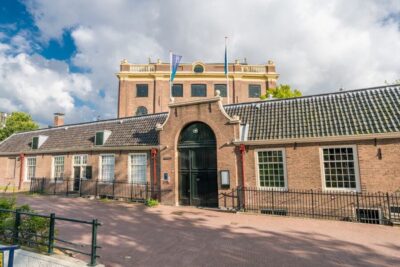
Life of Anne Frank and World War II Walking Tour
Read our review →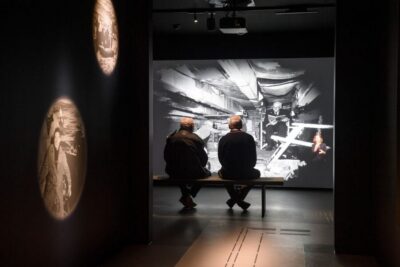
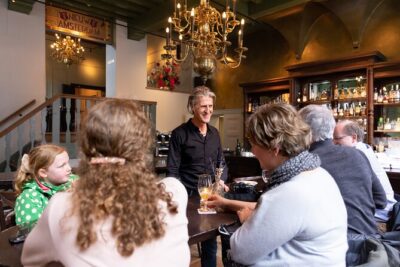
Amsterdam High-End Dutch Food & History Tour – Up to 8 guests
Read our review →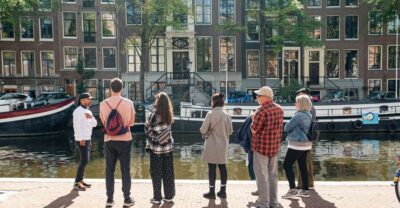
Anne Frank and Amsterdam Jewish History Walking Tour
Read our review →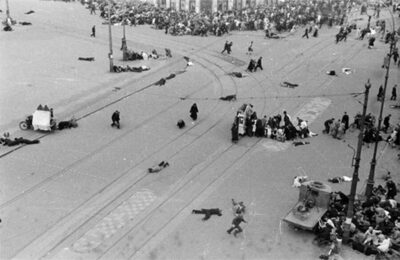
Anna Frank and World War II History Walking Tour
Read our review →
Amsterdam Highlights and History Walking Tour (MUST DO)
Read our review →
Skipping Lines & Sipping Beers: A History Tour of Amsterdam
Read our review →Browse the lists this tour appears in