
Reviewed · AMSTERDAM WALKING TOURS
Amsterdam: Sex, Drugs, and Freedom Walking Tour
Amsterdam’s most interesting stories often sit behind its famous windows and coffeeshops. This two-hour walk looks at prostitution, drug policy, and sexual freedom without treating them as simple tourist spectacles. You’ll also hear how Amsterdam developed a more open approach to equality and social life.
I like the local angle, especially the lesser-known streets and personal stories shared by guides such as Martin, David, Stan, Jesse, and others. I also like the clear focus on context: you learn how the Red-light District works, why coffeeshops exist, and how Dutch ideas about gay rights and sexual liberty developed. The main drawback is that two hours goes quickly, so the drug and economic discussion may feel brief if those are your main interests.
Key Points Before You Book
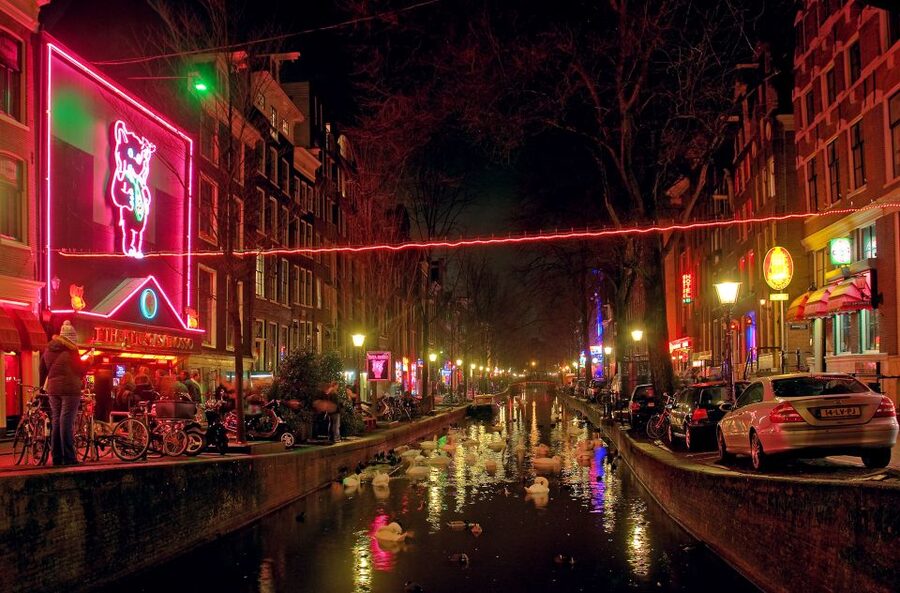
- The Red-light District is treated as a working neighborhood, not just a photo stop: Expect discussion of prostitution, workers, regulation, and the area’s changing role.
- Coffeeshop culture gets historical context: You’ll learn about the origins of coffeeshops, Dutch drug rules, and soft drugs.
- The route mixes famous sights with quieter corners: Stops include the Old Church, Condomerie, Dam Square, the Royal Palace, and places less obvious to first-time visitors.
- The guide shapes the experience: English, Dutch, Spanish, and German tours are available, and past guides have included Martin, David, Stan, and Jesse.
- It is a walking introduction, not a nightlife outing: Food, drinks, and any personal purchases are not included.
- Comfort matters: Wear good shoes and bring water. The tour is not suitable for people with mobility impairments.
Amsterdam’s Red-light District Beyond the Neon
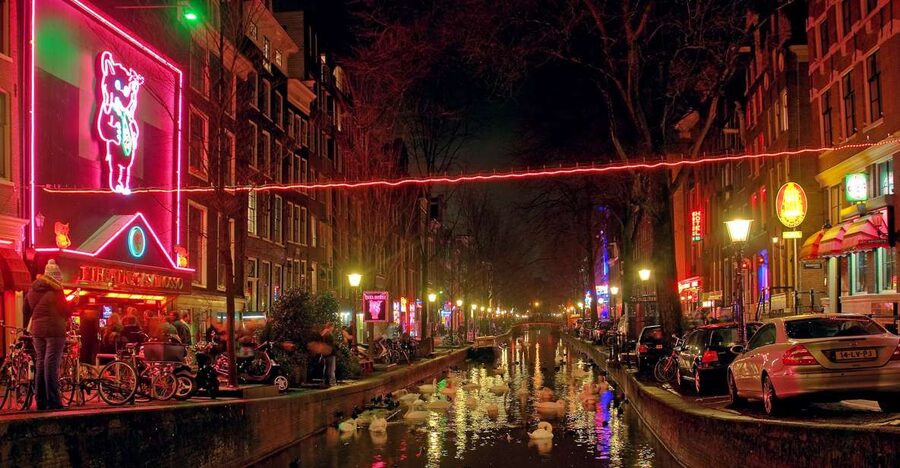
This tour begins with a subject that Amsterdam has spent decades trying to handle in public view: sex work. You are not simply shown a row of red-lit windows and sent on your way. The guide explains how prostitution became legal in the Netherlands and how that decision shaped the district.
That distinction matters. The Red-light District can look like a playful stop on a city itinerary, but it is also a workplace and a residential area. A useful guide helps you see both sides. You learn what it can mean to work as a prostitute, how the industry has changed, and why the neighborhood attracts such intense attention.
The walk takes you through winding streets and alleyways. These narrow passages make the subject feel immediate, but they also require basic courtesy. Stay with the group, avoid blocking doorways, and listen rather than treating workers or residents as scenery.
A guide named Stan has been praised for explaining sex work, coffeeshops, and the district in a clear way. Martin has also led tours described as friendly and well informed. Since the guide assigned to your departure can vary, consider the names examples of the personal, guide-led nature of the experience rather than a guarantee of who will lead your walk.
More walking tours in Amsterdam:
- Anne Frank’s Story – Guided Walking Tour through Amsterdam
★ 5.0 · 11,619 reviews - Amsterdam: Life of Anne Frank and World War II Walking Tour
★ 4.8 · 10,467 reviews - Absolutely Amsterdam – the Essential Introductory Walking Tour
★ 5.0 · 3,629 reviews
The Old Church and a City of Contrasts
The Old Church gives the route an important visual contrast. It sits in the same general area as the Red-light District, placing religious heritage beside a modern sex industry. That unusual pairing helps explain why Amsterdam can feel both traditional and socially experimental within a few steps.
You will learn about the history of the Red-light District while walking around one of the city’s best-known landmarks. The value is less about entering a monument and more about seeing how different layers of Amsterdam occupy the same streets.
The route also includes the Condomerie, a stop that fits the tour’s frank approach to sexual health and public attitudes. It adds a lighter touch, but the larger point is serious: Amsterdam’s attitude toward sex is connected to public discussion, sexual liberty, and social awareness, not just to nightlife.
I would not book this walk if you want a quiet architectural tour of Amsterdam. The subject matter is direct, and the route is designed around topics that some people may find uncomfortable. For an open-minded visitor, that honesty is part of the appeal.
Coffeeshops and the Dutch Drug Question
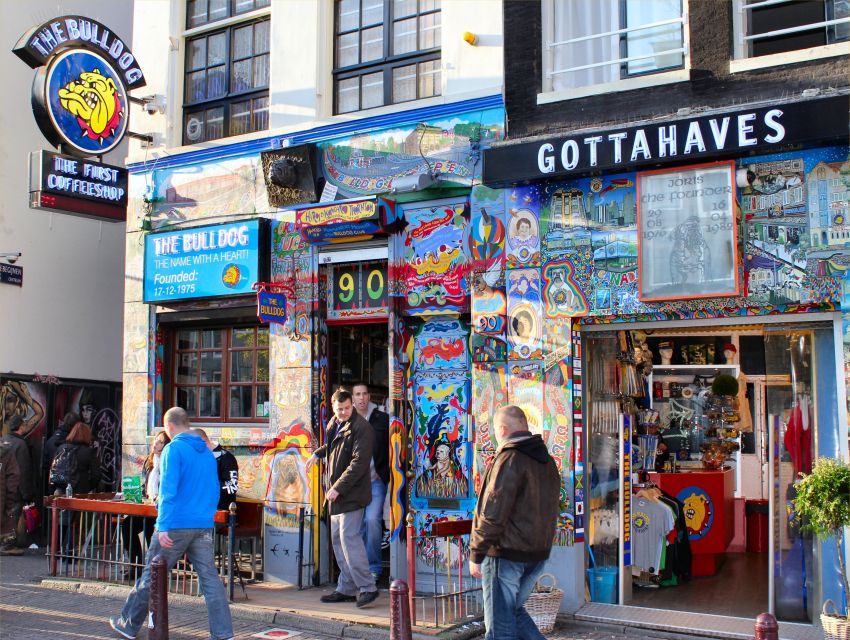
Amsterdam’s coffeeshops are often misunderstood. This walk explains the origins of the coffeeshop system and the peculiar regulations around soft drugs. You also hear about the use and manufacturing of soft drugs, giving you more than the usual postcard version of Dutch tolerance.
The tour is especially useful if you are confused by the difference between something being tolerated, regulated, or fully legal. The supplied information describes Dutch drug policy as unusual, and that is the point: the system has its own rules and history rather than fitting neatly into a simple legal or illegal label.
Do not expect a full seminar on the Netherlands’ drug economy in two hours. One participant wanted more detail about drugs and the country’s economy but understood that the schedule limited the discussion. If that subject is your main reason for booking, treat the walk as an introduction and ask questions while you have the guide’s attention.
You should also keep your expectations practical. The activity includes a guided walk, not food, drinks, or anything purchased at a coffeeshop. It is educational rather than a shopping trip.
Dam Square and the Royal Palace
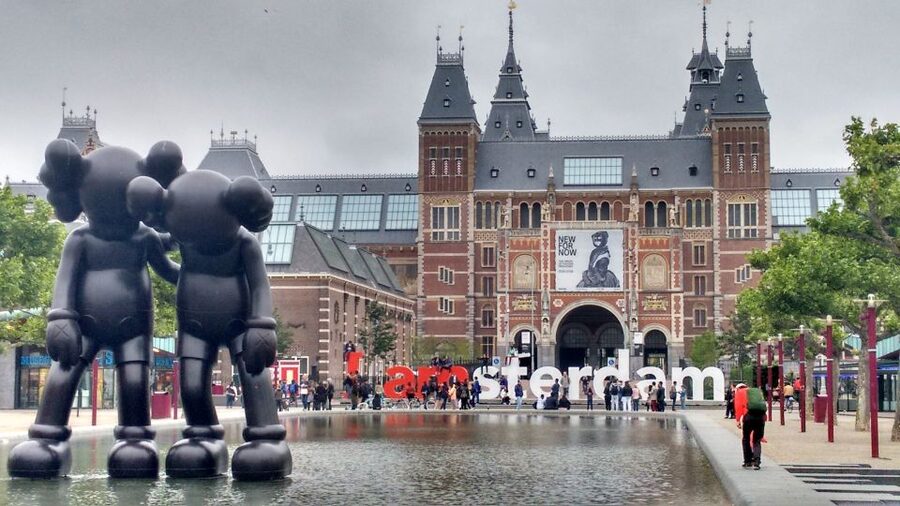
Dam Square and the Royal Palace broaden the tour beyond the Red-light District. These major Amsterdam sights help place the alternative scenes within the city’s wider political and social story.
The contrast is useful. You move from discussions of sex work and coffeeshops to national symbols, public space, and the city’s central gathering areas. The tour suggests that Amsterdam’s open reputation did not grow in isolation. It developed alongside older institutions and a long-running public conversation about how people should live together.
You should see these stops as part of the route rather than a substitute for a dedicated palace or city-history tour. The focus remains on liberal attitudes, equality, sexual freedom, and social awareness. The guide uses the setting to explain Amsterdam, not to provide an exhaustive study of every landmark.
That mix makes the walk a good first-day activity. It can help you get your bearings while showing you a side of the city that a standard canal-and-museum introduction may leave out. David, one of the named guides, has been especially valued for giving visitors the main points of the district along with personal and family connections to Amsterdam.
Same city, a completely different afternoon:
- Amsterdam Classic Saloon Boat Cruise with Drinks and Cheese
★ 5.0 · 31,825 reviews - Amsterdam Luxury Canal Cruise + Unlimited Drinks & Bites option
★ 5.0 · 30,518 reviews - Amsterdam: Heineken Experience Ticket
★ 4.6 · 30,055 reviews - Amsterdam: Rijksmuseum Entry Ticket
★ 4.7 · 25,535 reviews
How the Guide Makes or Breaks the Walk
This is a conversation-heavy tour. You walk, listen, and ask questions. The guide’s ability to explain sensitive topics without becoming crude or preachy matters more here than fancy equipment or a packed list of monuments.
Several guides associated with the experience have distinct strengths. Jesse has been described as patient, witty, and good at making difficult subjects approachable. One group appreciated his humor while also wanting more detail about the Dutch economy. Martin has been described as friendly and well informed. David has shared personal and family history connected with Amsterdam. Stan has guided people through the city’s sex work, coffeeshop, and Red-light District stories.
Those names give you a sense of what to value, but your guide may be someone else. The available languages are English, Dutch, Spanish, and German. A private group option is also available, which may suit you if you want more freedom to ask direct questions or keep the conversation focused on one topic.
The guide also has to manage the street. One past group included people who were tipsy and kept wandering behind. The guide stayed calm and worked to keep everyone together. That is a small but useful sign of what the job involves: this is a busy central district, and the walk needs attention as well as storytelling.
A Two-Hour Route With a Clear Limit
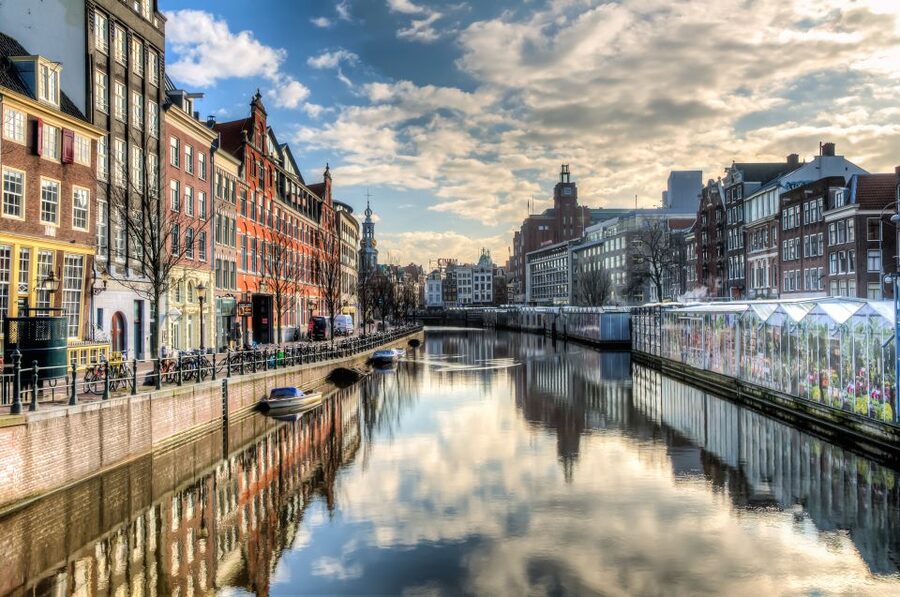
Two hours is enough for a strong introduction, but not enough to cover every side of Amsterdam’s liberal culture. The route includes the Old Church, Condomerie, Royal Palace, Dam Square, the Red-light District, and lesser-known local spots. You can expect a steady walk with explanations at several points along the way.
The pace has been described as comfortable, which should help you take in the streets without feeling rushed from one stop to the next. Still, the route uses winding streets and alleyways, and the meeting point may vary according to the option you book. Check your confirmation carefully before setting out.
Wear comfortable shoes and clothes, and bring water. That advice is simple but important. You are on foot for the full two hours, and the experience does not include refreshments.
The activity is not suitable for people with mobility impairments. The supplied details do not promise step-free access or a route adapted for limited mobility, so ask the provider before booking if that is a concern.
Is $31 a Fair Price?
At $31 per person, this is priced like a midrange city walking tour. The value depends on how much you want interpretation rather than simple sightseeing.
If you walked through the district alone, you would see the windows, signs, canals, and major squares, but you would miss much of the background. The price pays for a local guide who can explain prostitution laws, coffeeshop origins, Dutch drug rules, equality, gay rights, and the social forces behind Amsterdam’s reputation.
That is a fair deal if you enjoy asking questions and want a sharper understanding of the city. It is less compelling if you only want photographs or a quick look at the famous streets. You are paying for conversation and context, not admission tickets or included refreshments.
The private group option may offer better value for families or friends who want a more focused discussion. For a solo visitor or couple, the standard tour keeps the cost manageable while still providing an expert-led introduction.
The Tone: Frank, Curious, and Not for Everyone
The subject matter is adult and direct. You will hear about prostitution, sex workers, drug use, soft-drug manufacturing, gay rights, and sexual liberty. The experience works best when you arrive ready to listen without assuming that Amsterdam’s policies are either perfect or scandalous.
That balance is one of the tour’s strengths. The goal is to explain why people and institutions made certain choices, even when you do not agree with those choices yourself. One especially useful reaction to the tour was an appreciation of learning how people saw sex and drugs as ways to meet valid needs, without needing to approve of every part of the system.
The tone also depends on your guide. Jesse’s clever humor may suit you if you enjoy wit with your history. Other guides may take a more measured approach. The strongest fit is someone who wants an honest explanation, not a moral lecture or a party crawl.
You should also remember that the district remains a real neighborhood. Listen carefully, follow instructions, and keep your camera and behavior respectful. The tour’s educational purpose works best when visitors understand that people live and work here.
Who Should Book This Amsterdam Walk?
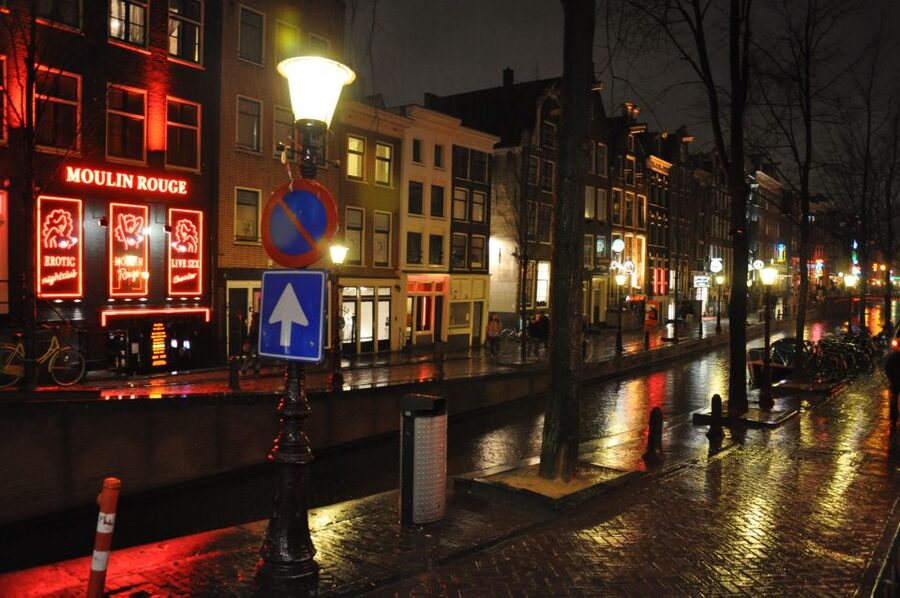
I would recommend it to first-time visitors who want a quick orientation with more substance than a standard sightseeing circuit. It is also a good choice if you are curious about why Amsterdam is linked with coffeeshops, prostitution, gay rights, and sexual freedom.
The tour suits you particularly well if you:
- Want a local perspective on the Red-light District
- Prefer history and social context to a simple photo stop
- Have questions about Dutch drug regulations
- Enjoy small details and lesser-known streets
- Want to explore in English, Dutch, Spanish, or German
- Like a guide who can handle frank questions with humor and patience
I would think twice if you dislike adult topics, need a fully accessible route, or want a long and technical discussion of drug economics. Two hours gives you a useful foundation, not a complete study.
Should You Book the Sex, Drugs, and Freedom Walking Tour?
Book it if you want to understand Amsterdam’s famous freedoms instead of merely looking at them. The route combines major sights with difficult questions, and the best guides make the subject clear, human, and easy to discuss.
The strongest reasons to go are the local storytelling, the honest explanation of prostitution and coffeeshops, and the chance to see how equality and sexual liberty fit into the city’s wider identity. The main limits are the short duration, the walking demands, and the fact that food, drinks, and any personal purchases are not included.
At $31, I see it as a useful first or second activity in Amsterdam. Go early in your stay if you want the district explained before exploring it alone. Choose another tour if you are seeking only architecture, museums, or nightlife. For a candid introduction to one of Amsterdam’s most debated areas, this is a sensible choice.
FAQ
How long does the Amsterdam Sex, Drugs, and Freedom Walking Tour last?
The tour lasts two hours.
How much does the tour cost?
The listed price is $31 per person.
Which languages are available?
The tour is available in Spanish, Dutch, English, and German.
Is a private group option available?
Yes. A private group option is available.
Which sights are included on the walking route?
The route includes the Old Church, Condomerie, Royal Palace, Dam Square, the Red-light District, and places known mainly to locals.
What subjects does the guide explain?
The guide discusses prostitution in the Netherlands, the history of the Red-light District, coffeeshop origins, Dutch drug regulations, soft drugs, gay rights, social awareness, and sexual liberty.
Are food and drinks included?
No. Food and drinks are not included.
What should I bring, and is the tour suitable for people with mobility impairments?
Bring comfortable shoes, water, and comfortable clothes. The tour is not suitable for people with mobility impairments.
Newest Amsterdam write-ups
- Amsterdam: Self-Guided Food Tour in De Jordaan Neighbourhood★ 3.4 · 10 reviews
- Amsterdam: Self-Guided Food Tour in De Pijp Neighbourhood★ 3.7 · 20 reviews
- Amsterdam Light Festival Boat Cruise★ 5.0 · 3 reviews
- Amsterdam: ARTIS-Groote Museum Entry Ticket★ 4.2 · 21 reviews
- Amsterdam: Treasure Hunt Walking Tour “A Secret Sender”★ 4.7 · 71 reviews
- Amsterdam: Rijksmuseumtour incl. Ticket German or English★ 5.0 · 7 reviews
- Amsterdam: Roller Dreams & Amsterdam Nightlife Experience★ 3.7 · 3 reviews
- Amsterdam: Royal Concertgebouw Orchestra Concert Ticket★ 4.7 · 11 reviews
Amsterdam Walking Tours, compared.

Anne Frank’s Story – Guided Walking Tour through Amsterdam
Read our review →
Life of Anne Frank and World War II Walking Tour
Read our review →
Absolutely Amsterdam – the Essential Introductory Walking Tour
Read our review →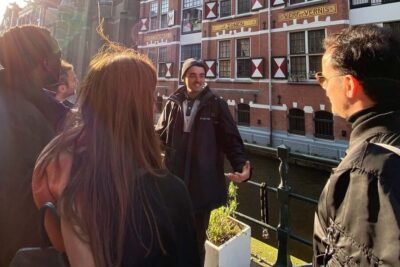

Anne Frank Walking Tour – Guided in EN/DE/IT/ES
Read our review →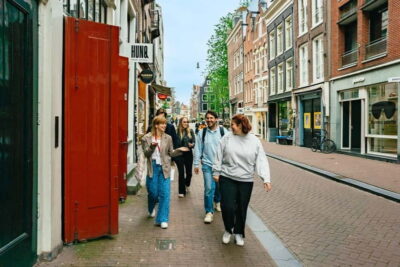

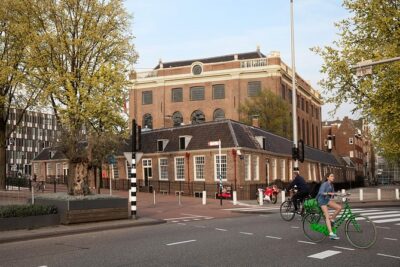
Anne Frank Walking Tour Amsterdam Including Jewish Cultural Quarter
Read our review →Browse the lists this tour appears in