
Reviewed · AMSTERDAM HISTORY WALKING TOURS
Small Group LGBTQ+ History Tour in Amsterdam
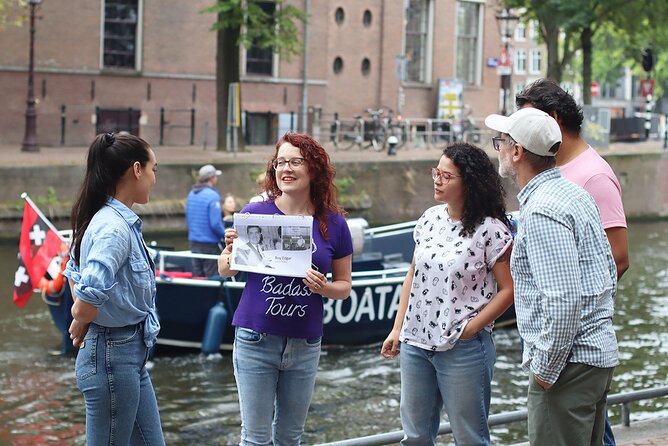
Amsterdam’s LGBTQ+ past comes alive through people, scandals, courage, and places you could easily pass without a second glance. This two-hour walking tour links nightlife squares, canals, a monument, and old city streets into one clear story.
I like the small limit of eight people, which gives a guide room to explain and answer questions. I also like the range of subjects, from a married king’s affairs with men to queer resistance work and the world’s first legal gay marriage. The main drawback is the weather: this is an outdoor tour, so a cold or rainy day can affect the experience.
Key points to know before you book
- Seven central Amsterdam stops: The route runs from Rembrandtplein to Torensluis, with stories attached to each location.
- A very small group: No more than eight people join, making it easier to hear the guide and ask questions.
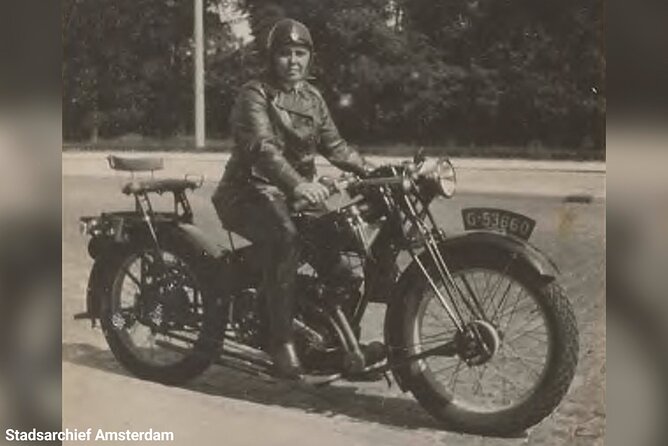
- Stories beyond famous landmarks: You learn about clubgoers, writers, shopkeepers, doctors, soldiers, and resistance fighters.
- Guides with a strong personal interest: Guus and Elyzabeth are named as guides associated with the experience, both known for lively, story-focused presentations.
- A good choice for locals as well as first-time visitors: One long-term Amsterdam resident found the tour changed how they viewed familiar streets.
- Outdoor and weather dependent: Bring clothing suited to the forecast, since the tour can be canceled in poor weather.
Why this Amsterdam tour feels different
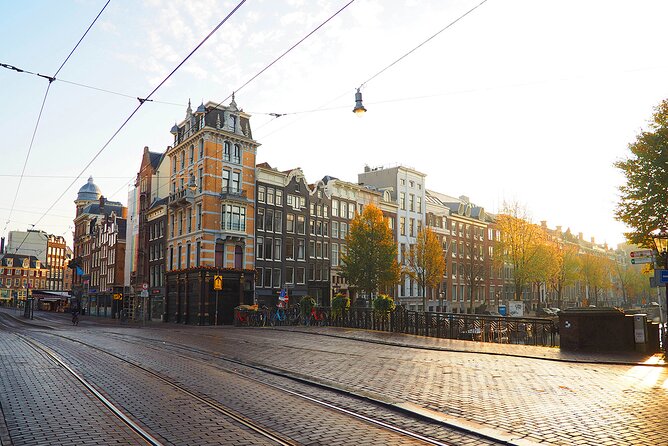
Many city tours use Amsterdam’s canals and old buildings as scenery. This one uses them as evidence. A square becomes a place tied to queer nightlife. A canal house recalls resistance work. A bridge becomes the setting for a story about a trans soldier in the 18th century.
That approach gives the tour a useful purpose. You are not only learning dates or collecting names. You are seeing how LGBTQIA+ lives have been shaped by law, religion, public opinion, war, literature, and nightlife.
I especially like the broad time span. The route reaches back several centuries, then connects those earlier stories with modern gay rights and public memory. It avoids treating LGBTQ+ history as one recent chapter. Instead, it shows people finding room for themselves in Amsterdam under very different conditions.
The guide is central to the experience. The tour is built around storytelling rather than entry to museums or formal attractions, so the quality of the explanation matters more than the buildings themselves. Guus has led the tour in difficult weather while keeping the mood lively, and Elyzabeth is described as an engaging guide who brings less familiar figures into view.
The eight-person maximum is important here. In a larger group, stories about identity, discrimination, or personal courage can feel distant. With fewer people, you should have a better chance to hear clearly and ask about details that catch your attention.
More history walks in Amsterdam:
- Amsterdam: Life of Anne Frank and World War II Walking Tour
★ 4.8 · 10,467 reviews - Amsterdam: Dutch WWII Resistance Museum Entry Ticket
★ 4.7 · 951 reviews - Amsterdam High-End Dutch Food & History Tour – Up to 8 guests
★ 5.0 · 482 reviews
Starting at Rembrandtplein: nightlife, royalty, and marriage
The tour begins at Utrechtsestraat 4, then reaches Rembrandtplein for its first major stop. Rembrandtplein is a fitting place to begin because it is tied to Amsterdam nightlife, and the opening stories focus on people who gathered, socialized, and found connection in public spaces.
You will hear about LGBTQ clubgoers and the social world around nightlife. The guide also brings in a married king who had affairs with men, showing how public status did not erase private desire, even when social rules demanded silence.
The stop also reaches the world’s first legal gay marriage. That gives the opening section a useful arc, moving from hidden relationships and nightlife to a major legal change. The point is not simply that Amsterdam was first. You also get a sense of how much social and political ground had to be covered before marriage could be recognized.
About 20 minutes are planned here. That is enough time for a strong introduction without keeping you in one square too long. The guide gives you a quick orientation to Amsterdam, then uses the surrounding area to set up the rest of the walk.
Munt Tower: one shopkeeper against state violence
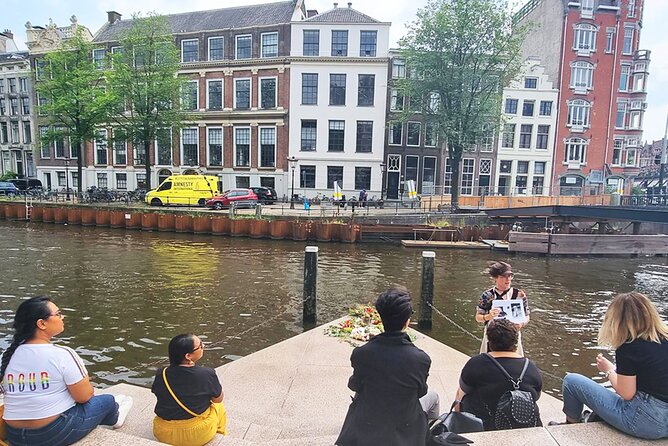
At Munt Tower, or Munttoren, the subject becomes more personal and more tense. You will hear how a shopkeeper tried to protect friends in the face of state violence.
This is the kind of story that gives the tour its human scale. Large political changes can seem abstract, but a shopkeeper choosing to help friends is immediate and understandable. The setting also reminds you that LGBTQ+ history is not only about famous leaders or public campaigns. Ordinary people made choices that carried real risks.
The stop lasts about 15 minutes. Since admission is not needed, the guide can focus on the story and the surrounding street rather than on entering a site. Pay attention to the location itself, since part of the value is learning to connect an everyday city corner with something that happened there.
Koningsplein: a name with a concealed connection
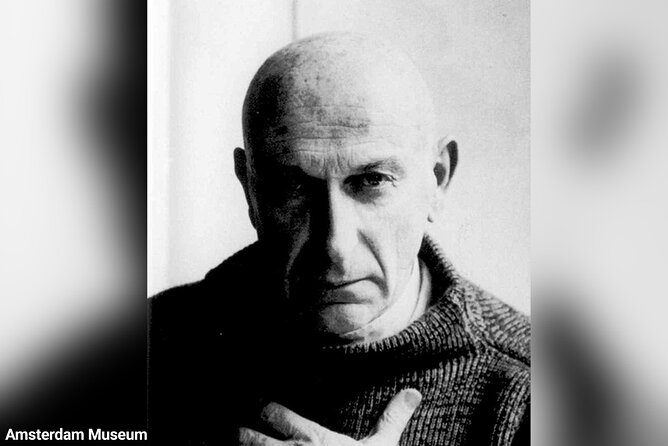
At Koningsplein, the guide explores a familiar name with an LGBTQIA+ connection that the Catholic church tried to keep hidden.
This section appears to focus on the way institutions control public memory. A name can look harmless or ordinary while carrying a story that has been softened, buried, or left out of the version most people learn. The guide helps you look past the obvious surface of the square.
The stop takes around 15 minutes. It is a good reminder that the tour is not only about celebration. Some stories involve silence, shame, and attempts to control what future generations would know.
Same city, a completely different afternoon:
- Amsterdam Classic Saloon Boat Cruise with Drinks and Cheese
★ 5.0 · 31,825 reviews - Amsterdam Luxury Canal Cruise + Unlimited Drinks & Bites option
★ 5.0 · 30,518 reviews - Amsterdam: Heineken Experience Ticket
★ 4.6 · 30,055 reviews - Amsterdam: Rijksmuseum Entry Ticket
★ 4.7 · 25,535 reviews
Keizersgracht: writers, doctors, and the Pope of the Gays

The Emperor’s Canal, or Keizersgracht, brings several of the tour’s most unusual stories together. You will hear about the Pope of the Gays, a 17th-century literary lesbian love triangle, and a pompous doctor whose work may have accidentally offered lesbians legal cover.
These subjects show how varied queer history can be. One story may involve community leadership or a playful title. Another looks at women who used literature and relationships to express lives that did not fit accepted rules. The doctor’s story adds a twist: an effort rooted in one purpose may have had an unexpected effect for other people.
I like this stop because it promises less familiar material. Amsterdam’s best-known LGBTQ+ stories often center on modern rights and public symbols. Keizersgracht takes you into literature, medicine, and social behavior, where the evidence can be less direct and the interpretation more complicated.
Allow about 20 minutes. The extra time makes sense because the guide is handling several connected stories rather than one simple event. You may find this is the point where the tour feels most like a collection of historical puzzles.
The Gay Monument: celebration, mourning, and a lesbian hero
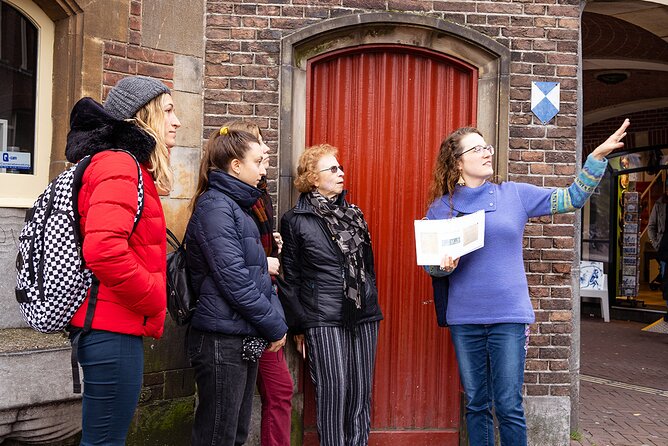
The Gay Monument is both a place of celebration and a place of mourning for Amsterdam’s LGBTQIA+ community. It is not treated as a quick photo stop. Instead, the guide uses it to honor a formidable lesbian hero.
That combination matters. Public monuments can celebrate progress while also recalling people who suffered or died. The monument gives you a physical place to think about both sides of that history. It is a location with emotional weight, not just a landmark to tick off.
The story of the lesbian hero adds a personal focus. Rather than speaking about an entire community in general terms, the guide shows how one person’s actions can represent courage and persistence.
The planned time is about 15 minutes. You will want a moment to look at the monument, listen to the explanation, and consider how public memory is shaped. Since the tour is outdoors, the weather can matter here. Wind or rain may make it harder to linger.
Herengracht: quiet resistance in a canal house
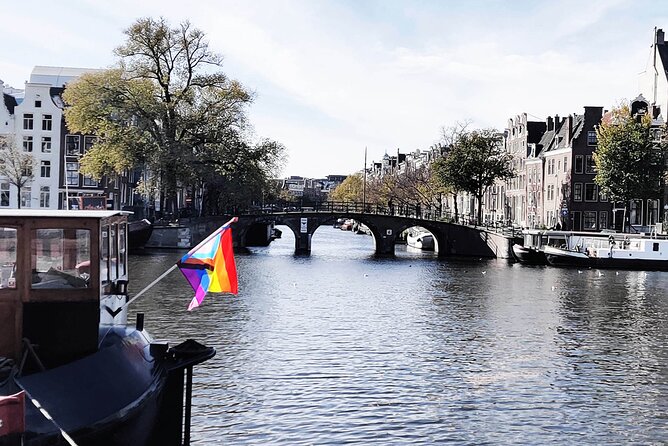
At Herengracht, the story turns to queer resistance fighters who worked in an inconspicuous canal house.
The setting is especially effective because nothing about an ordinary canal house necessarily announces its role in dangerous work. That contrast makes the story memorable. Amsterdam’s grand canals are often admired for architecture, but this stop asks you to think about what may have taken place behind a plain facade.
You will hear about people who resisted oppression while working from a location that did not attract attention. This gives the tour another angle on courage. Not every important act happened in a public square or under a famous banner. Some depended on discretion, trust, and the ability to remain unnoticed.
The stop lasts roughly 15 minutes. It should appeal to anyone interested in wartime history, but the LGBTQ+ focus gives the subject a different frame from a standard Amsterdam war tour.
Torensluis: ending with a trans soldier’s message
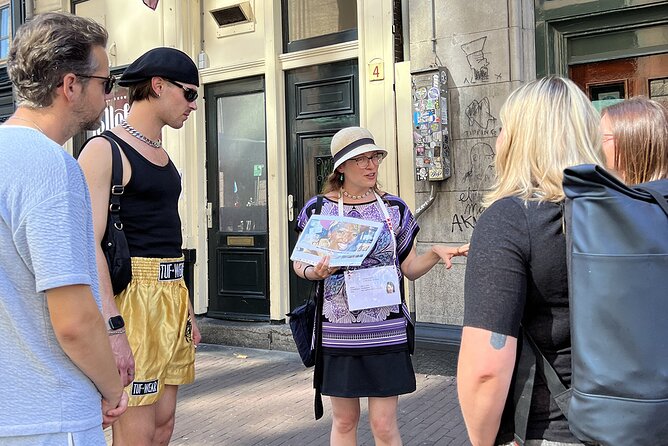
The tour ends at Torensluis, beside the Multatuli sculpture. The final story concerns a trans soldier who served in Amsterdam’s militia during the 18th century.
Ending here is a strong choice because it leaves you with a question about identity, service, and how people understood themselves in an earlier age. The story is described as carrying a surprising message, so the conclusion is not simply a repeat of the themes introduced at Rembrandtplein.
The final 20 minutes give the guide time to explain the soldier’s story and draw the wider meaning together. You finish on a bridge in central Amsterdam rather than at the starting point, so plan your next move from Torensluis instead of expecting to return to Utrechtsestraat.
The route’s ending also gives the tour a satisfying range. You begin with nightlife and marriage, then move through secrecy, literature, public memory, resistance, and military service. The subjects are different, but they all ask how people made room for queer lives in societies that did not always welcome them.
The small-group format and guide style
A maximum of eight people is one of the best practical features. You should be able to stay close to the guide without feeling packed into a large crowd. That matters on city streets, where traffic, bicycles, wind, and general noise can make a spoken tour harder to follow.
The format also suits a subject that benefits from questions. You may want to ask how a person’s story was preserved, why a place became important, or how public attitudes changed. A small group gives those questions a better chance of fitting into the two-hour schedule.
The guides are storytellers and history enthusiasts who aim to give you a sense of the LGBTQIA+ community. Guus has been praised for keeping a cold, wet, windy morning engaging, while Elyzabeth is associated with a presentation that brings overlooked figures into the conversation.
That does not mean the tour is a formal academic lecture. Expect a lively walk built around people and anecdotes. If you want dates, archives, and long explanations of legal history, you may find the format light. If you want a clear route through stories that are seldom included in standard city tours, it should suit you well.
Who will get the most from the $47.34 price
At $47.34 per person, this is not the cheapest way to spend two hours in Amsterdam. You are paying for a guide, a tightly planned subject, and a group limited to eight people. There are no admission fees included because the stops are public places.
The value depends on what you want from a city walk. If you only want famous architecture or a quick orientation, a standard free walk may serve you better. If you care about LGBTQ+ history, the price is easier to justify because the route gives you a focused subject that general sightseeing tours generally do not provide.
I also think the tour can be worthwhile for people who already know Amsterdam. A long-term resident joined the walk and found that it changed how familiar streets were seen. That is a useful sign of value: the experience is not limited to first-time visitors who need basic orientation.
The two-hour length is another practical advantage. It is long enough to cover seven stops but short enough to fit around other plans. The tour is offered in English, and most people can participate. Service animals are allowed, and the meeting area is near public transportation.
Weather, pace, and practical planning
This is an outdoor experience, so check the forecast and dress for conditions. Poor weather can lead to a cancellation, with the choice of another date or a full refund. Even when the tour runs, comfortable shoes and a rain layer will make the route easier.
The meeting point is Utrechtsestraat 4, 1017 VN Amsterdam. The tour ends at Torensluis, 1012 VK Amsterdam, by the Multatuli sculpture. Since the finish is different from the start, leave a little time to orient yourself afterward.
Confirmation is normally sent at booking. If you book within two days of the tour, confirmation can take up to 48 hours and depends on availability. Free cancellation is available until 24 hours before the start time. After that deadline, the amount paid is not refunded, and changes are not accepted.
Who should book this experience
This tour is a strong fit if you want Amsterdam history told through overlooked people and places. It is especially useful for LGBTQ+ visitors, history buffs, and anyone who enjoys learning why an ordinary street corner matters.
You do not need to be an LGBTQ+ traveler to get something from it. The subjects include law, religion, literature, war, medicine, nightlife, and public memory. That makes the tour relevant to anyone who wants a broader picture of the city.
You may want to skip it if you dislike outdoor walking tours, need a museum-based experience, or prefer a broad introduction to Amsterdam’s art and architecture. The route is focused, and its emotional subject matter is part of the point.
Should you book the LGBTQ+ History Tour?
I would book it if you want a focused, human account of Amsterdam that goes beyond the usual canals and famous paintings. The small group, unusual stories, and seven central stops give the two hours a clear purpose.
The best reason to choose it is the range of voices: clubgoers, a king, a shopkeeper, writers, a lesbian hero, resistance fighters, and a trans soldier. Just plan for the weather and remember that the tour ends at Torensluis, not back at the starting point.
FAQ
How long does the LGBTQ+ History Tour in Amsterdam last?
The tour lasts approximately two hours.
How many people can join the tour?
The group is limited to a maximum of eight travelers.
What language is the tour offered in?
The tour is offered in English.
Where does the tour start and end?
It starts at Utrechtsestraat 4, 1017 VN Amsterdam. It ends at Torensluis, 1012 VK Amsterdam, by the Multatuli sculpture.
What happens if the weather is poor?
The experience requires good weather. If it is canceled because of poor weather, you can choose a different date or receive a full refund.
Can I cancel for a full refund?
Yes. You must cancel at least 24 hours before the experience start time for a full refund. Cancellations or changes made less than 24 hours before the start time are not accepted for a refund.
More LGBTQ-Friendly in Amsterdam
- Amsterdam: Rainbow Rural Bike Tour With Local Gay Guide
★ 5.0 · 4 reviews
Newest Amsterdam write-ups
- Zaanse Schans: Half-Day Private Guided Tour★ 5.0 · 4 reviews
- Zaanse Schans: Private Cruise + Live Guide, Optional Drinks★ 4.7 · 26 reviews
- Zaanse Schans: Wooden Shoe Painting Workshop★ 4.9 · 23 reviews
- Amsterdam: Private Zaanse Schans Windmills and Volendam Trip★ 4.9 · 31 reviews
- Zaanse Schans: Pancake Restaurant Visit★ 4.5 · 26 reviews
- Amsterdam: Zaanse Schans E-Bike Tour with Windmills & Cheese★ 4.5 · 12 reviews
- Zaandam: Paint a Perfect Portrait workshop★ 5.0 · 5 reviews
- Amsterdam Central Walking Tour★ 4.9 · 11 reviews
Amsterdam History Walking Tours, compared.
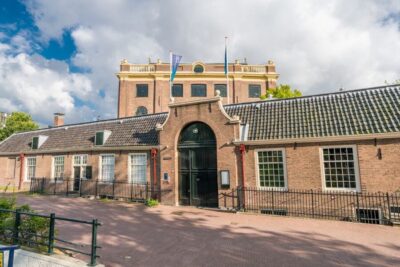
Life of Anne Frank and World War II Walking Tour
Read our review →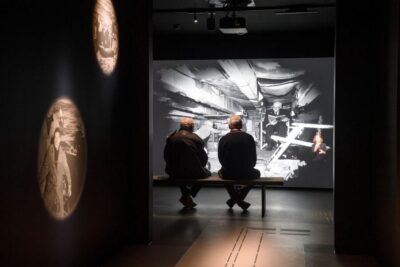
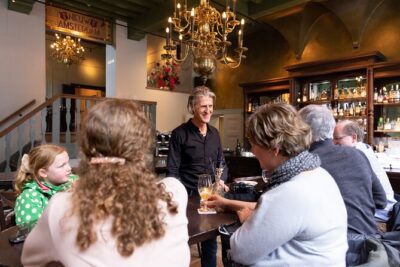
Amsterdam High-End Dutch Food & History Tour – Up to 8 guests
Read our review →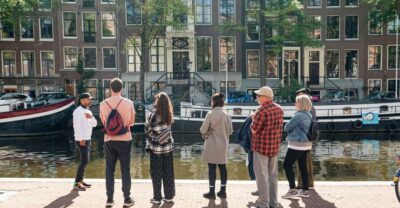
Anne Frank and Amsterdam Jewish History Walking Tour
Read our review →
Small Group Tour to Nazi WWII concentration camp from Amsterdam
Read our review →
Anna Frank and World War II History Walking Tour
Read our review →Browse the lists this tour appears in