
Reviewed · WORKSHOPS
Kintsugi Workshop “The art of Imperfection”
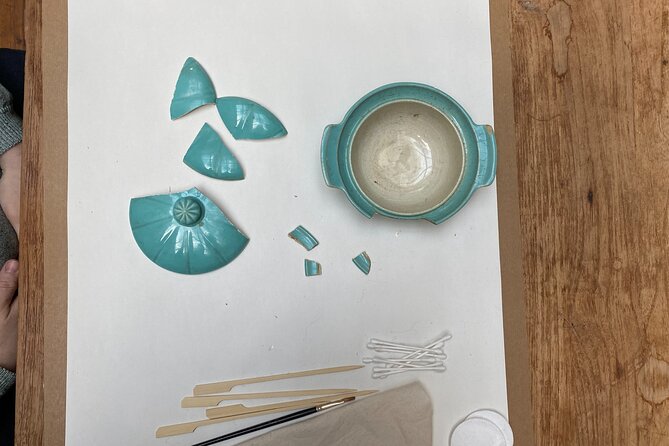
Kintsugi turns a broken plate into something worth keeping. In this small Amsterdam workshop, you deliberately break a plate, patiently fit the pieces back together, and trace the cracks with golden leaf glue. The result is not a hidden repair. The damage becomes the design.
I like the small group of no more than six, which should give you room to work without feeling rushed. I also like the calm idea behind the class: this is a hands-on craft session with a thoughtful message about fresh starts, scars, and accepting imperfection. The main drawback is the price, $90.11 for about two hours, and the workshop runs only on Wednesdays from 2 to 4 p.m. during the listed operating periods.
Key points to know before booking
- You break and repair a plate: The workshop includes a symbolic break, followed by careful reassembly with golden leaf glue.
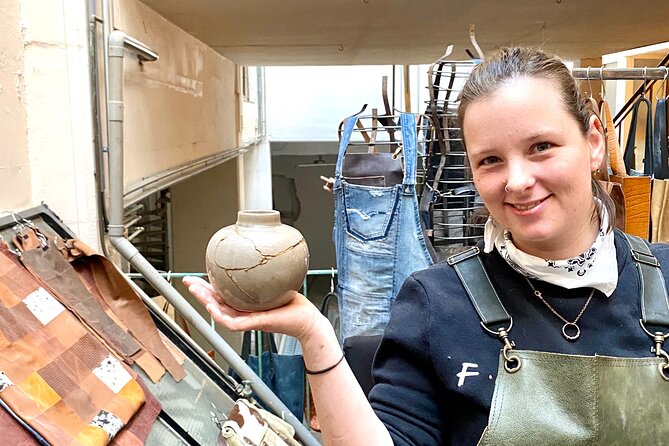
- Annelies leads the session: The English-speaking host creates a welcoming setting and helps you focus on the finished piece.
- The group is capped at six: This is a personal craft class, not a large demonstration.
- All workshop materials are included: You do not need to bring tools or pottery.
- The setting is central Amsterdam: Meet at Paleisstraat 107, 1012 ZL Amsterdam, and return there when the class ends.
- The schedule is limited: The class is offered on Wednesdays from 2 to 4 p.m. during the published dates.
Breaking a plate as a fresh start
The class begins with a quiet introduction to kintsugi, the Japanese art of repairing cracked pottery so the break becomes part of the object’s beauty. The practice dates to the 15th century and is linked with wabi-sabi, an appreciation of natural materials, age, simplicity, and imperfection.
Then comes the unusual part: you break a plate on purpose. That moment gives the workshop its shape. Instead of treating damage as failure, you use it as the starting point for a new object.
The plate is supplied for you, so you do not need to risk breaking something from your own cupboard. One useful tip is to ask Annelies before bringing a personal item. The activity includes a plate to work on, but there is no promise that your own pottery can be used.
This first step may sound dramatic, but it is also practical. You immediately understand the central idea of kintsugi because you are not simply watching a demonstration. You are working with an object that has changed, then deciding how its pieces can fit together again.
More workshops and classes in Amsterdam:
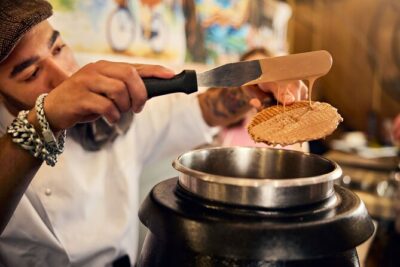
- Amsterdam: Traditional Dutch Syrup Waffle Making Workshop
★ 4.8 · 4,093 reviews - Amsterdam Traditional Dutch Syrup Waffle Making Workshop
★ 5.0 · 960 reviews - Amsterdam: Bols Cocktail Experience and Cocktail Workshop
★ 4.8 · 666 reviews
Reassembling the pieces by hand
Once the plate is broken, the pace becomes slow and careful. You reassemble the shards and work out how they connect. This is where the class asks for patience rather than artistic talent.
The activity calls for concentration and fine hand control. The pieces need to be handled with care, and the process rewards a steady approach. You are not racing toward a perfect finish. You are paying attention to shape, fit, and the line of each crack.
That makes the workshop different from a quick souvenir-making class. You are given time to watch the object change. The work can help you focus on one task and refine your motor skills, though anyone with difficulty handling small pottery pieces should consider the stated moderate physical fitness requirement before booking.
Annelies received particular praise for being welcoming and for helping create a focused working mood. That matters here. Kintsugi is not a craft that benefits from being hurried or treated as a quick photo opportunity. A calm guide and a six-person limit fit the nature of the work.
Adding the golden lines
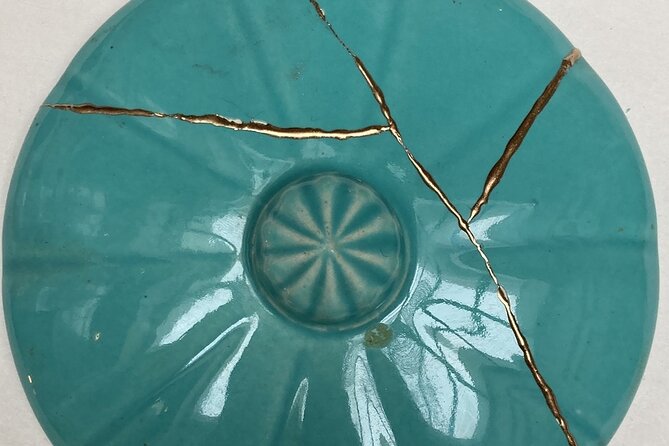
The final stage gives the broken plate its defining look. The cracks are joined with golden leaf glue, turning the repair into a visible pattern. Instead of hiding the break, you draw attention to it.
The gold does more than add decoration. It changes how you read the plate. A fracture that might normally signal the end of an object becomes the feature you notice first. The finished piece is unique because the break is unique.
You should not expect a factory-perfect result. That is part of the point. The charm comes from the individual joins, the pattern of the cracks, and the fact that your hands shaped the outcome.
The activity description connects the craft with healing wounds, new beginnings, and resilience. You can take that message as seriously or lightly as you like. At the simplest level, it is a pleasant creative exercise. At a deeper level, the repair offers a useful reminder that an object, or a person, does not need to look untouched to have value.
Why the group size makes a difference
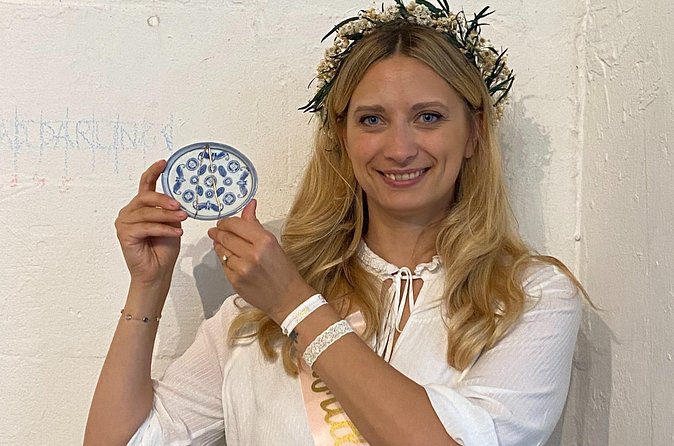
With a maximum of six people, the workshop has the feel of a small lesson rather than a group attraction. You should have a better chance to follow the instructions closely and get help while handling the broken pieces.
A small class also suits the reflective side of kintsugi. You are working at a shared table, but your plate develops its own pattern. The group setting gives the activity a social element without turning it into a loud or crowded event.
The tradeoff is limited availability. A Wednesday afternoon schedule may fit a flexible Amsterdam visit, but it will not suit every itinerary. The class is listed from 2 to 4 p.m. on Wednesdays for November 9, 2025 through January 31, 2026, and again from November 9, 2026 through January 31, 2027. Check the date carefully when booking, since the published schedule is narrow.
The activity is offered in English. Confirmation arrives at the time of booking, which helps when you are arranging a short city visit around a fixed afternoon appointment.
Same city, a completely different afternoon:
- Amsterdam Classic Saloon Boat Cruise with Drinks and Cheese
★ 5.0 · 31,825 reviews - Amsterdam Luxury Canal Cruise + Unlimited Drinks & Bites option
★ 5.0 · 30,518 reviews - Amsterdam: Heineken Experience Ticket
★ 4.6 · 30,055 reviews - Amsterdam: Rijksmuseum Entry Ticket
★ 4.7 · 25,535 reviews
Reaching Paleisstraat 107 in Amsterdam
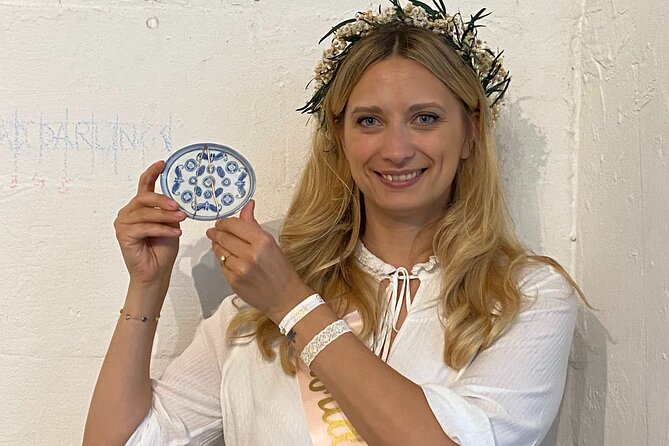
The meeting point is Paleisstraat 107, 1012 ZL Amsterdam. The class ends at the same place, so you do not need to plan a separate pickup or find your way across the city afterward.
The location is near public transportation, making it practical to reach without a car. The supplied details do not specify the exact tram, bus, or walking route, so check your route on the day and allow enough time to arrive before 2 p.m.
Because the class lasts about two hours, it can fit neatly between other central Amsterdam plans. You might pair it with a morning activity or an evening meal, but remember that the session is fixed in the afternoon. A late lunch just before class may be wise, since coffee and tea are not included.
What the $90.11 price buys you
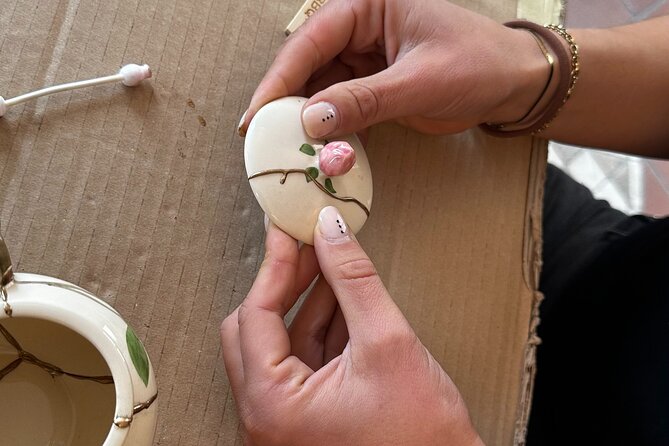
At $90.11 per person, this is not a budget filler for a rainy afternoon. The price makes more sense if you want a guided creative activity and a finished object rather than a simple sightseeing stop.
All materials are supplied. That removes the need to buy a plate, tools, or repair materials before arriving. You are also paying for instruction, a very small group, and a structured two-hour session with Annelies.
The value depends on what you want from an Amsterdam experience. If you prefer major sights and a fast-moving schedule, the price may feel high for a short workshop. If you enjoy making something with your hands and want a calmer break from museums and canals, it offers a more personal kind of souvenir.
I would also count the finished plate as part of the value, though the supplied details do not explain how it should be transported or whether it is ready to use for food. Pack it carefully and ask about handling before you leave.
Who will enjoy this workshop most
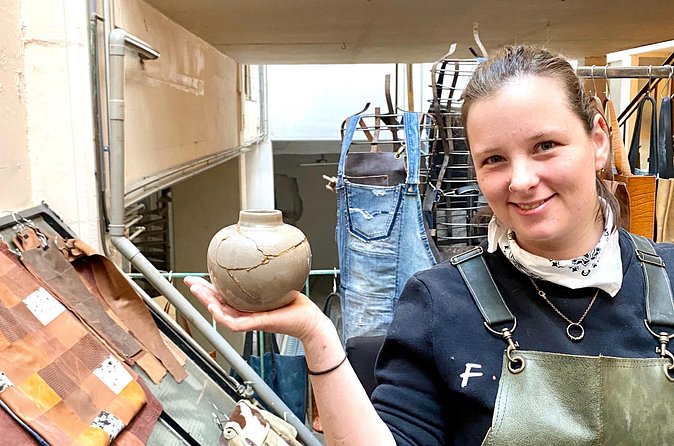
This class suits adults, couples, friends, and solo visitors who enjoy creative work with a thoughtful side. You do not need to arrive with pottery experience. The central tasks are breaking, fitting, joining, and decorating, so curiosity and patience matter more than formal skill.
It can also suit families with older children, but the activity is not suitable for children under 10. Younger children may find the careful reassembly slow, and the broken pieces require sensible handling.
The session may appeal especially to anyone who likes Japanese design, handmade objects, mindfulness, or the idea of giving an old or damaged thing a second life. It is also a good choice if you want an activity that does not depend on sightseeing weather.
You should think twice if you dislike detailed handwork, have little patience for a slow process, or want a workshop where you can choose from many projects. The format is focused on one plate and one method.
Service animals are allowed. The published information does not give detailed accessibility specifications, so contact the operator ahead of time if you need information about the room, seating, or handling materials.
The quiet lesson behind the craft
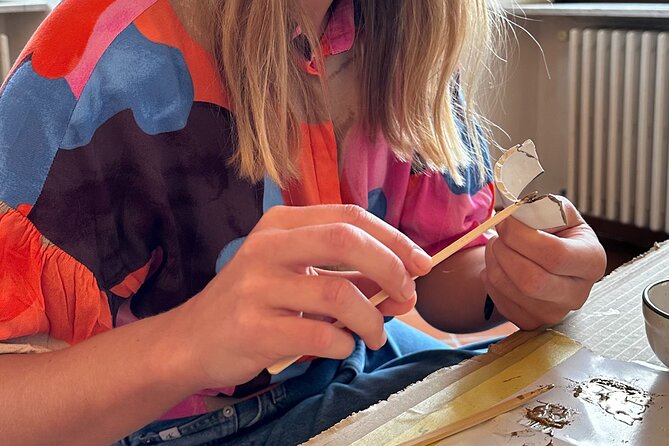
Kintsugi is often described as a way to repair pottery, but this workshop gives the repair a wider meaning. The cracked plate becomes a simple object lesson: the past cannot be erased, yet it can be part of what comes next.
I like that the message is tied to a real task. You are not just listening to a talk about resilience. You are holding the pieces, testing their fit, and seeing the golden lines appear. The idea becomes easier to remember because you have made something with it.
That said, you can enjoy the class without treating it as a personal healing exercise. Some people will come for the design and leave with a striking plate. Others may appreciate the quiet focus. The workshop leaves room for both responses.
The final object also carries a story that a standard souvenir does not. You can point to the cracks and explain that they were repaired, not concealed. That gives the piece a personal connection to your time in Amsterdam.
Booking, cancellations, and practical details
Free cancellation is available if you cancel at least 24 hours before the start time. Changes or cancellations made less than 24 hours before the start are not accepted for a refund, and the cutoff follows local Amsterdam time.
The class requires a minimum number of participants. If it is canceled because that minimum is not met, you will be offered another date or experience, or you can receive a full refund.
Coffee and tea are not included, so plan refreshments before or after the workshop. The session itself provides the materials you need, and the activity ends back at the meeting point.
The experience has a 4.8 rating from 16 reviews, with 94 percent recommending it. Annelies is praised for her warm welcome and for helping people work with focus. Those details fit the workshop’s strongest feature: it is personal, calm, and built around doing rather than simply observing.
Should you book the Amsterdam kintsugi workshop?
Book it if you want a small, hands-on class with a finished object and a clear idea behind it. The six-person limit, English instruction, supplied materials, and welcoming approach make it a good fit for a relaxed afternoon.
The main questions are price and timing. At $90.11, it is best viewed as a guided craft experience, not a cheap two-hour diversion. The Wednesday schedule also requires planning, and coffee or tea will cost extra.
I would choose this workshop for a thoughtful break from Amsterdam’s busy sights, especially if you enjoy handmade work and Japanese design. I would skip it if you want a broad cultural tour, a lower-cost activity, or a flexible booking time. For the right person, the plate is more than a souvenir: it is a small, golden reminder that a repaired thing can have its own kind of beauty.
FAQ
Where does the kintsugi workshop take place?
The workshop begins and ends at Paleisstraat 107, 1012 ZL Amsterdam, Netherlands.
How long does the workshop last?
The experience lasts approximately two hours, from 2 to 4 p.m.
What day is the workshop offered?
It is offered on Wednesdays during the published operating periods.
Is the workshop offered in English?
Yes. The workshop is offered in English.
Are the materials included?
Yes. All materials needed for the workshop are provided. Coffee and tea are not included.
What is the cancellation policy?
You can cancel for a full refund up to 24 hours before the start time. Cancellations or changes made less than 24 hours before the start are not accepted for a refund.
Newest Amsterdam write-ups
- Zaanse Schans: Half-Day Private Guided Tour★ 5.0 · 4 reviews
- Zaanse Schans: Private Cruise + Live Guide, Optional Drinks★ 4.7 · 26 reviews
- Zaanse Schans: Wooden Shoe Painting Workshop★ 4.9 · 23 reviews
- Amsterdam: Private Zaanse Schans Windmills and Volendam Trip★ 4.9 · 31 reviews
- Zaanse Schans: Pancake Restaurant Visit★ 4.5 · 26 reviews
- Amsterdam: Zaanse Schans E-Bike Tour with Windmills & Cheese★ 4.5 · 12 reviews
- Zaandam: Paint a Perfect Portrait workshop★ 5.0 · 5 reviews
- Amsterdam Central Walking Tour★ 4.9 · 11 reviews
Workshops, compared.
Traditional Dutch Syrup Waffle Making Workshop
Read our review →Amsterdam Traditional Dutch Syrup Waffle Making Workshop
Read our review →

3-Course Meal in Historic 1st Class Waiting Rooms
Read our review →
Amsterdam Light Festival Winter Walk with Stroopwafel Workshop
Read our review →
Distilling Class @ Spirited Union Rum Co. (Amsterdam)
Read our review →
Cocktail workshop @ Spirited Union Rum Co. (Amsterdam)
Read our review →
Browse the lists this tour appears in