
Reviewed · HISTORICAL TOURS
History & culture tour in Amsterdam with a local
Amsterdam’s story comes alive on foot, from a fishing village at Beursplein to a world trading center, with the route ending at one of Europe’s great railway stations. The tour also tackles religion, war, guilds, Chinatown, canals, and daily life rather than sticking to postcard views.
I like the small maximum of 15 people, which gives a local guide room to answer questions. I also like the thoughtful route and the simple Dutch treat along the way: a stroopwafel. The main drawback is that two hours can only introduce Amsterdam’s history, not explain every period in detail.
- Beursplein sets the story in motion, explaining how Amsterdam grew from a fishing settlement into a global economic center.
- Begijnhof offers a quiet pause, with religious history, ideas about tolerance, and one of the city’s oldest wooden houses.
- The route links major sights with local details, including bicycle bridges, guild halls, dancing houses, and Chinatown.
- A maximum of 15 people keeps the walk personal, though the exact feel depends on the group and guide.
- The $30.07 price includes a central walking tour and stroopwafel, but not admission to interior attractions.
- English is the tour language, and the walk returns to its Beursplein starting point.
A Two-Hour Introduction to Amsterdam’s Many Past Lives
This is a good choice if you want Amsterdam to make sense before you spend several days exploring it. The route covers a compact part of the historic center, but the subjects range widely: city origins, trade, religion, war, architecture, transportation, and changing neighborhoods.
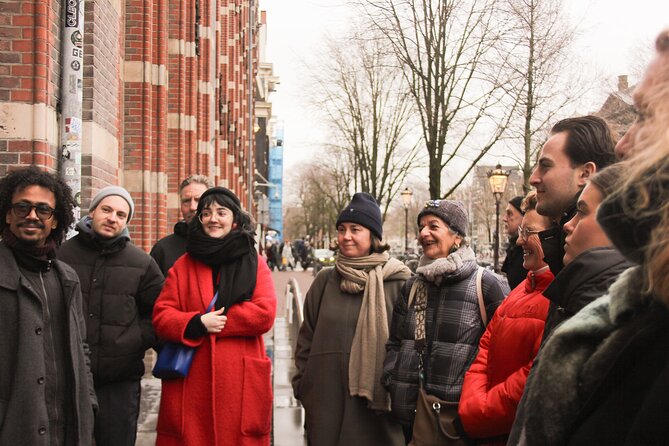
You will walk between the stops while the guide explains what you are seeing. That matters because Amsterdam’s history is not confined to museums. A canal house, a narrow street, or an old gate can explain how the city was organized and how its residents lived.
The pace is likely to feel steady rather than rushed. The listed stops take roughly 75 minutes in total, leaving the rest of the two to two-and-a-half-hour outing for walking and conversation. Wear comfortable shoes, and remember that this is an outdoor experience in a city where weather can change quickly.
The tour is offered in English and uses a mobile ticket. It begins and ends at Beursplein, a convenient central location near public transportation. With a maximum of 15 people, the group should be small enough for questions without requiring a private booking.
Beursplein: From Fishing Village to Financial Power
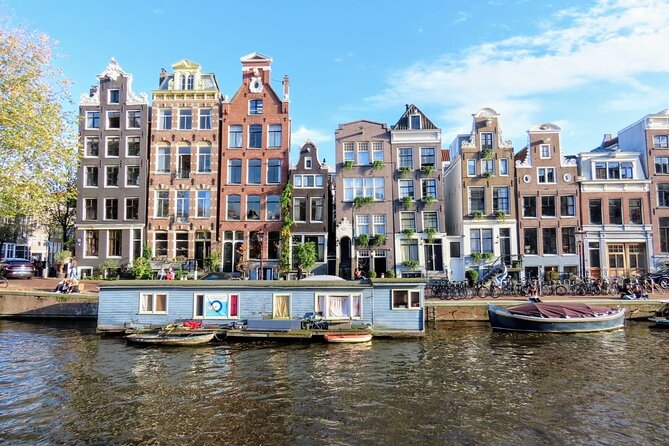
The first stop gives you the basic Amsterdam story. At Beursplein, you learn how the city got its name and how a fishing village developed into a major center of global trade during the 17th century.
This opening is useful because it gives the rest of the walk a framework. Amsterdam’s canals, dense merchant houses, and busy center did not appear by accident. They grew from water access, trade, and the city’s role in international business.
You do not need a background in Dutch history to follow this part. The guide’s job is to connect a place you can see with the forces that shaped it. Ten minutes is enough for an introduction, though anyone hoping for a detailed account of Amsterdam’s economic history will need a museum or longer specialist tour afterward.
More history walks in Amsterdam:
- Amsterdam Food and Cultural Tour with Tastings
★ 5.0 · 2,442 reviews - Amsterdam: Haunted History and Ghost Walking Tour
★ 4.5 · 488 reviews - Amsterdam High-End Dutch Food & History Tour – Up to 8 guests
★ 5.0 · 482 reviews
Dam Square: Power, Ceremony, and War
From Beursplein, the route continues to Dam Square, one of Amsterdam’s main public spaces. Here you hear how the square helped shape the city and see the Royal Palace on the Dam.
The stop also covers the square’s role during the Second World War. That adds weight to a place often treated simply as a meeting point or photo stop. The square has carried political, royal, and wartime meaning, and the guide helps separate those layers.
The Royal Palace is viewed from outside on this tour. Admission to interiors is not included, so plan a separate visit if you want to explore the palace itself. The advantage of the walking stop is that you receive context without spending time in a building when your main goal is to understand the city as a whole.
Begijnhof: A Quiet Courtyard With a Complicated Story
Begijnhof changes the mood. After the open public space of Dam Square, you enter a quiet courtyard connected with religious history and the beguines, women who lived in a religious community without taking formal monastic vows.
The guide explains what the courtyard reveals about Amsterdam’s tradition of tolerance. That subject is especially valuable because the city’s reputation for tolerance was never simple or uniform. Places such as Begijnhof show how religious life, private belief, and public rules could overlap in unusual ways.
You also see one of Amsterdam’s oldest houses, one of the two surviving wooden cottages. This is one of the route’s most memorable details because it makes the city’s age visible at human scale. A wooden house may sound modest beside a palace, but it can tell you much about earlier Amsterdam construction.
Begijnhof is also a place where good manners matter. Keep your voice low and respect the quiet character of the courtyard. The 15-minute stop gives you time to take in the setting, though the guide may need to keep the group moving so the tour stays on schedule.
Three Canals and the Bicycle Bridge
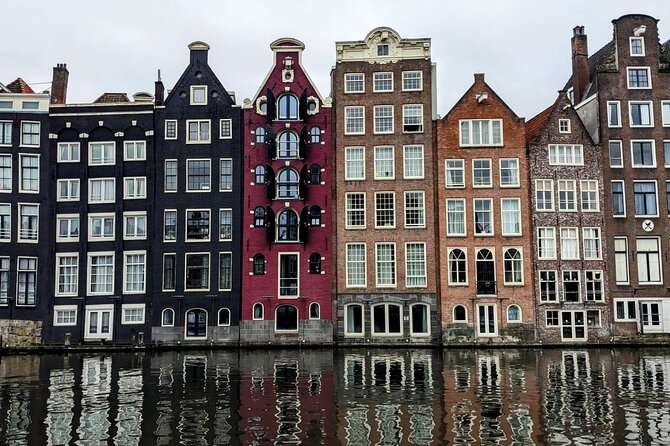
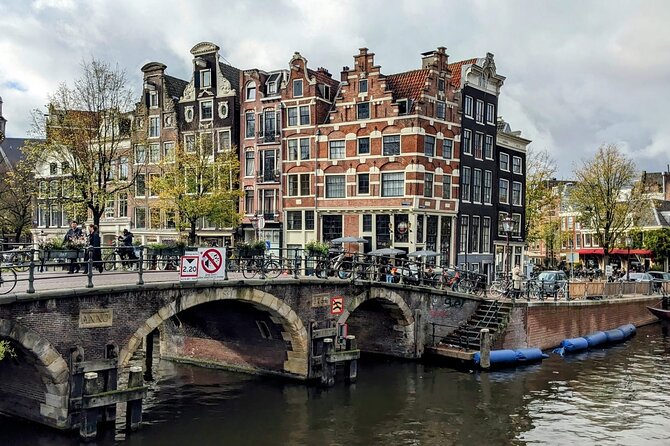
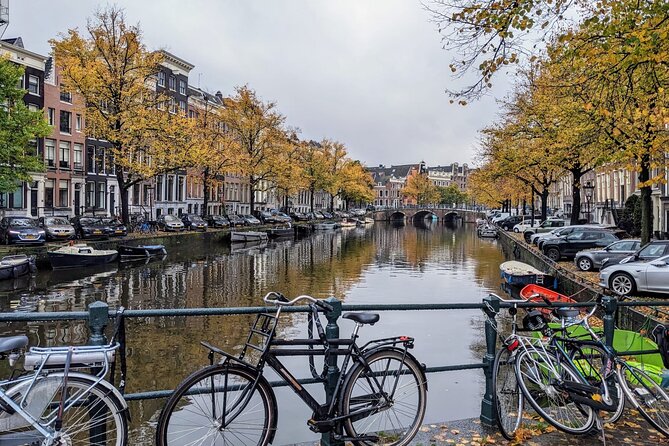
The stop at the House on the Three Canals brings you back to Amsterdam’s built environment. You see a house positioned on three canals and learn about the bicycle bridge.
The appeal here is not simply architectural. Amsterdam can look like a collection of charming facades until someone explains how the water, streets, bridges, and buildings work together. This stop gives you a closer look at the practical side of city design.
The bicycle bridge detail also connects historic Amsterdam with present-day life. Cycling is part of the city’s modern identity, yet bridges and narrow waterways are much older features. Ten minutes will not turn you into an architectural specialist, but it should sharpen your eye for the relationship between houses, canals, and movement.
Same city, a completely different afternoon:
- Amsterdam Classic Saloon Boat Cruise with Drinks and Cheese
★ 5.0 · 31,825 reviews - Amsterdam Luxury Canal Cruise + Unlimited Drinks & Bites option
★ 5.0 · 30,518 reviews - Amsterdam: Heineken Experience Ticket
★ 4.6 · 30,055 reviews - Amsterdam: Rijksmuseum Entry Ticket
★ 4.7 · 25,535 reviews
Nieuwmarkt: Gates, Guilds, and Dancing Houses
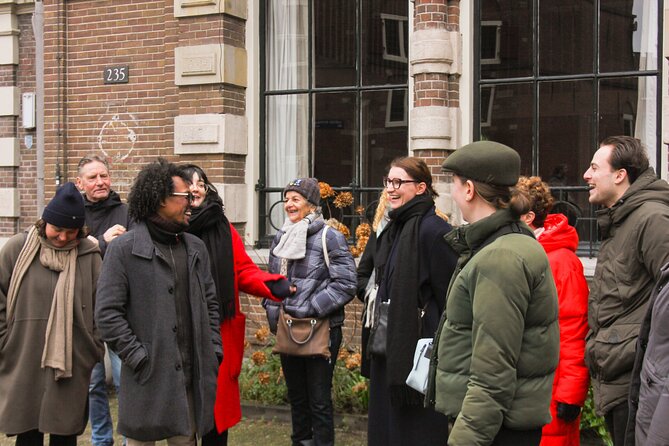
At Nieuwmarkt, you learn about the Waag, which began as one of the old city gates and later became a guild hall. This is a strong stop for understanding how Amsterdam’s civic and commercial systems once worked.
Guilds organized trades and helped regulate working life. Seeing the Waag in that context makes it more than an attractive old building. It becomes part of the city’s system of entry, defense, commerce, and professional organization.
The guide also points out Amsterdam’s dancing houses. These narrow, leaning buildings are among the city’s familiar sights, but the tour gives you a reason to look at them as evidence of the city’s unusual building conditions and long development.
Nieuwmarkt is a busy urban area, so the group may encounter street noise and passing traffic. That is part of the setting, not a flaw in the route. The stop works best if you enjoy seeing history mixed with ordinary city life.
Zeedijk and the Changing Face of Chinatown
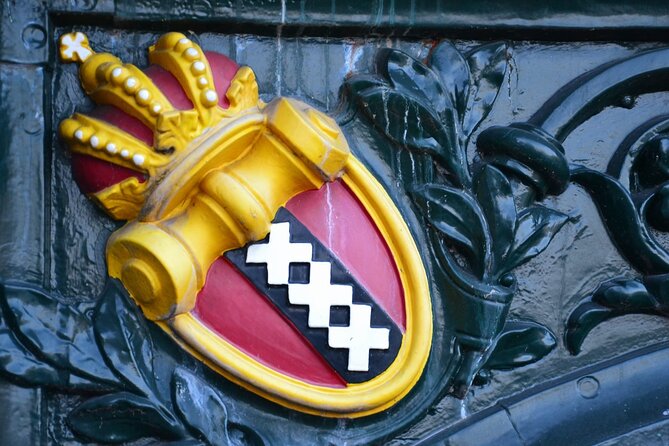
Zeedijk offers one of the tour’s more direct looks at social change. You explore Amsterdam’s Chinatown and hear how the street was regarded as one of the city’s most dangerous areas during the 1970s.
The important point is not simply that the neighborhood changed. You learn about its decline and its later transformation into a favorite place for many Amsterdammers. That gives you a more useful view of the city than a tour that presents every street as timeless and picturesque.
A stop like this can help you understand that Amsterdam is a living city, not an open-air museum. Neighborhood reputations shift. Streets gain new residents, businesses, and purposes. Ten minutes provides an outline rather than a full social history, but it raises worthwhile questions about who shapes a city and how public perceptions change.
Because Zeedijk is part of a working neighborhood, you should treat the area as a place where people live and work. The guide can point out the setting, but the value comes from observing respectfully rather than treating the street as a stage.
Centraal Station: Amsterdam’s Gateway by Water and Rail
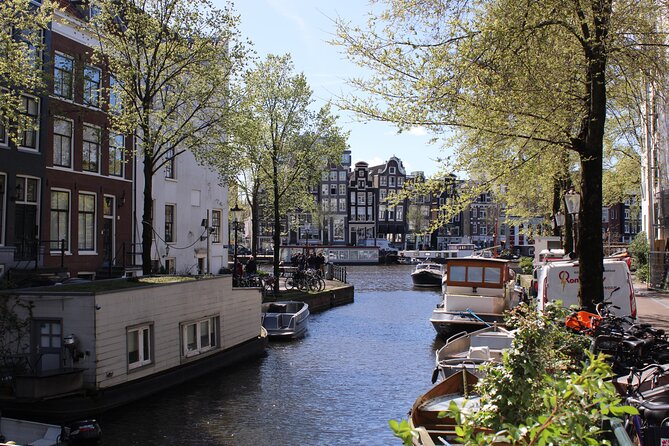
The route finishes at Centraal Station, one of Amsterdam’s most striking buildings. The station is not only a place to catch a train. Its location has been important for centuries as a transportation hub and as a symbol of connection and prosperity.
This final stop ties together many subjects from the walk. Amsterdam grew through movement: people, goods, ideas, and money passed through the city. The station’s architecture and position show how the city continued to adapt as transportation changed.
Ending at Centraal Station is practical as well as symbolic. You can continue to another part of Amsterdam by public transportation, walk toward the waterfront, or return to the central sights. The tour itself returns to the Beursplein meeting point, so check the guide’s exact direction at the end if you plan to continue from the station area.
The station is also a useful reminder that a history walk should not end in the distant past. Amsterdam’s story continues through its rail connections and its role as a modern city.
What the $30.07 Price Gives You
At $30.07 per person, this is priced as an accessible introduction rather than a full-day specialist experience. You are paying for about two to two-and-a-half hours of guiding, a small-group format, and a stroopwafel, with no separate admission fees required at the listed stops.
The value depends on how much context you want. If you prefer to wander alone and read plaques, you can see many of these streets without booking a tour. If you want someone to connect the fishing village, Royal Palace, Begijnhof, guild system, Chinatown, and railway station into one story, the price is easier to justify.
There is also value in the route’s range. You are not spending the whole outing on one famous square. Instead, you move through different parts of central Amsterdam and encounter both celebrated sights and smaller details.
Do not expect entry into the Royal Palace, museums, or other paid attractions. The stops are viewed as part of a guided city walk. That keeps the cost down, but you will need separate tickets for interiors you want to visit.
The Guide Makes the Difference
A history walk depends heavily on the person leading it. The tour is run by Guidance Travel, and Manouk is named as a guide who has tailored the experience for private groups. That suggests some flexibility in how the stories are presented, though you should not assume that Manouk will lead every departure.
The strongest qualities to look for are clear storytelling, useful answers, and an ability to connect Amsterdam’s past with what you see in front of you. The supplied feedback gives particular emphasis to informative explanations, friendly guidance, and tailoring the route to individual needs.
Private tours can be adjusted more easily than a standard small-group outing. If you choose a regular departure, the route and timing will be shared with other people, and the guide will need to balance different interests. The 15-person limit helps, but it does not turn the experience into a private walk.
A thoughtful stroopwafel at the end is a small touch, not the reason to book. Still, it gives the outing a pleasant Dutch finish and a taste of local culture without turning food into the main event.
Who Should Book This Walk?
I would recommend it to a first-time Amsterdam visitor who wants a broad introduction before exploring alone. It also suits history fans who prefer streets and buildings to a long indoor lecture.
The walk works well for people who want:
- A clear introduction to Amsterdam’s origins and growth
- A small group rather than a large bus-style tour
- A route covering both famous sights and less obvious details
- An English-speaking local guide
- A gentle cultural experience with a stroopwafel included
- A first-day activity that helps organize later sightseeing
You may want something else if you are looking for museum entry, an intensive architectural tour, a food-focused outing, or a private experience guaranteed to feature a particular guide. The tour gives you useful context, but it cannot cover every period, neighborhood, or landmark in two hours.
Most people can participate, and service animals are allowed. Since the experience takes place outdoors and on foot, comfortable footwear and a weather-ready plan are sensible. Confirmation is provided when you book, and free cancellation is available up to 24 hours before the start time. Changes or cancellations inside that window are not accepted for a refund.
Should You Book the Amsterdam History and Culture Tour?
Book this tour if you want Amsterdam explained through the places where its history happened. The route is short enough to fit into a first day, broad enough to cover more than the usual canal views, and small enough to allow personal questions.
At $30.07, it is a fair buy for a guided orientation, especially if you value local context more than entry tickets. I would choose it early in an Amsterdam visit, then return to the places that catch your interest, perhaps spending more time at Begijnhof, Dam Square, Nieuwmarkt, or the station.
Skip it if your priority is a private guide, palace access, or a deep study of one subject. For a practical first look at Amsterdam’s history, culture, and changing neighborhoods, this walk offers a sensible balance of price, time, and local detail.
FAQ
How long does the Amsterdam history and culture tour take?
The walk takes approximately two hours, though the full experience may run from two to two-and-a-half hours as the group moves between stops and listens to the guide.
Where does the tour begin and end?
It begins at Beursplein, 1012 JW Amsterdam, Netherlands, and the activity ends back at the meeting point.
What language is the tour offered in?
The tour is offered in English.
How many people can join the tour?
The maximum group size is 15 people.
Is food included?
A classic Dutch stroopwafel is included along the way.
Can I cancel for a full refund?
Yes. You can cancel up to 24 hours before the experience start time for a full refund. Cancellations or changes made less than 24 hours before the start time are not accepted for a refund.
Newest Amsterdam write-ups
- Keukenhof Gardens and Tulips Private Tour from Amsterdam★ 4.5 · 39 reviews
- Private Keukenhof Gardens and Tulip Fields Tour from Amsterdam★ 5.0 · 12 reviews
- Jewish Amsterdam Private Walking Tour★ 4.5 · 17 reviews
- Amsterdam: Keukenhof Tulip Gardens and Giethoorn with Boat Tour★ 4.5 · 76 reviews
- Van Gogh and Rembrandt Immersive Experience Entry Amsterdam★ 3.5 · 10 reviews
- Amsterdam Red Light District: Serene and Other!★ 5.0 · 5 reviews
- French Bistro-Style Dinner Overlooking Amsterdam’s Canals★ 5.0 · 19 reviews
- Guided Walking Street Food Tour of De Pijp & Beyond★ 5.0 · 57 reviews
Historical Tours, compared.
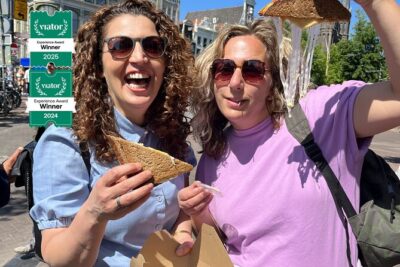
Amsterdam Food and Cultural Tour with Tastings
Read our review →
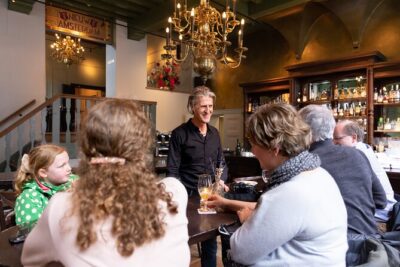
Amsterdam High-End Dutch Food & History Tour – Up to 8 guests
Read our review →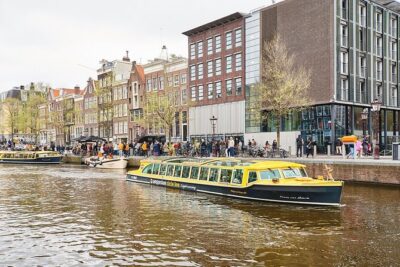

Anne Frank and the Jewish History of Amsterdam Private Tour
Read our review →
3-Course Meal in Historic 1st Class Waiting Rooms
Read our review →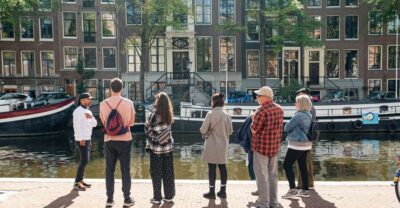
Anne Frank and Amsterdam Jewish History Walking Tour
Read our review →Browse the lists this tour appears in