
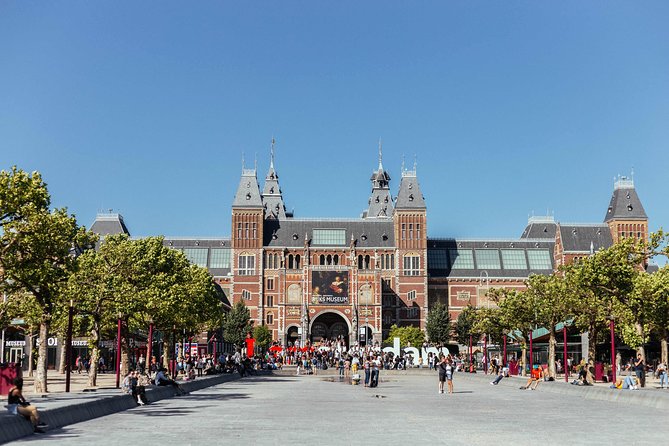
Reviewed · RIJKSMUSEUM TICKETS
Amsterdam Rijksmuseum PRIVATE TOUR with a Local Private Guide
The best reason to book this Rijksmuseum tour is simple: you get a human guide in a huge museum. In two hours, you can move from medieval religious art to Vermeer, Rembrandt, clocks, furniture, and nineteenth-century paintings without wandering in circles. A strong guide such as Rolf, Anna, or Marten can turn a famous canvas into a clear story about Dutch life, trade, faith, and art.
I like the private format, since your group can ask questions and set the pace. I also like the carefully chosen route, which gives limited-time visitors a useful first look at the museum’s major periods. The main concern is practical: the 141.87-dollar price does not include admission, and the 20-euro entrance fee must be paid to the host in cash. A few bookings have also suffered from unclear meeting arrangements or unavailable tickets.
Key points
- Private two-hour route: Only your group and the guide participate, so the visit can fit your interests.
- A broad art timeline: The tour moves from Geerten tot St. Jans and Lucas van Leyden to Hals, Vermeer, Rembrandt, and nineteenth-century works.
- Guide quality matters: Rolf, Anna, and Marten are praised for turning art, architecture, commerce, and Dutch history into an easy-to-follow story.
- Admission is extra: Your guide handles prebooking, but you pay 20 euros per person in cash at the museum.
- Useful for a tight schedule: The route focuses on major works instead of asking you to cover every gallery.
- Some booking risk: A small number of experiences have involved ticket problems, late communication, or a guide who did not appear.
Why a private guide helps inside the Rijksmuseum
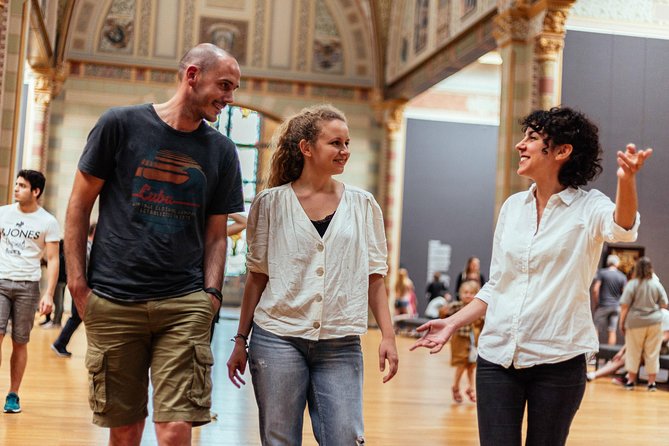
The Rijksmuseum is not a small, quick-stop museum. Its collection covers centuries, and the building contains far more than the Dutch masterpieces most people come to see. Without a plan, you can spend your best hour looking at room numbers and trying to decide what deserves your attention.
A private guide gives you a route and a conversation. You can ask why a painting matters, how a scene reflects Dutch society, or what separates Vermeer from Rembrandt. You are not tied to a large group’s questions or forced to listen to a lecture about works that do not interest you.
The private setup is especially useful for families. One child might care about weapons, ships, or unusual objects, while another wants to see famous paintings. The guide can shift the emphasis instead of delivering the same fixed talk to everyone.
That flexibility is the strongest part of the experience. The quality depends on the person assigned to you, but the best guides named for this tour, including Rolf, Anna, and Marten, bring more than dates and artist names. They connect the paintings with the building, Dutch commerce, religion, and changing ideas about art.
More Rijksmuseum tickets and guided visits:
- Amsterdam: Rijksmuseum Entry Ticket
★ 4.7 · 25,535 reviews - Amsterdam: City Canal Cruise and Rijksmuseum
★ 4.5 · 2,129 reviews - Rijksmuseum Amsterdam Small-Group Tour with Private Upgrade
★ 4.5 · 1,547 reviews
Starting with medieval art and Geerten tot St. Jans
The first part of the route reaches back to the medieval period, when religious subjects shaped much of European art. Geerten tot St. Jans is represented by the Tree of Jesse, an impressive work built around a biblical family tree.
This is a useful opening because it gives you a sense of how different the early collection feels from the better-known Golden Age rooms. The pictures are highly religious, symbolic, and made for a society in which faith touched nearly every part of life.
Your guide can help you read the image rather than simply admire its age. The subject, gestures, figures, and arrangement make more sense when you understand the religious purpose behind them.
One caution: two hours passes quickly. If your group wants a long discussion of medieval art, you may have less time for Vermeer and Rembrandt. Tell your guide early which periods matter most to you.
Lucas van Leyden and the road to the Golden Age
The Renaissance section shows a changing interest in observation, human experience, and artistic technique. The tour highlights Lucas van Leyden, sometimes called the Rembrandt of the sixteenth century.
That comparison gives you a useful bridge between eras. Lucas van Leyden helps show how Dutch art developed before the painters most people recognize. The Renaissance was not simply a pause between medieval art and the Golden Age. It helped create the visual language and artistic confidence that came later.
This part will suit you if you want more than a procession of famous names. A guide can point out how ideas changed over time and why later artists did not appear out of nowhere.
The drawback is that the route cannot offer an extensive survey of every artist. It is a selective introduction, not a full art-history course. You should expect highlights and explanations, not every important gallery.
Hals, Vermeer, and Rembrandt in the Golden Age
The heart of the visit is the Dutch Golden Age, with attention to Frans Hals, Johannes Vermeer, and Rembrandt. These artists are often grouped together, but they offer very different ways of seeing people and daily life.
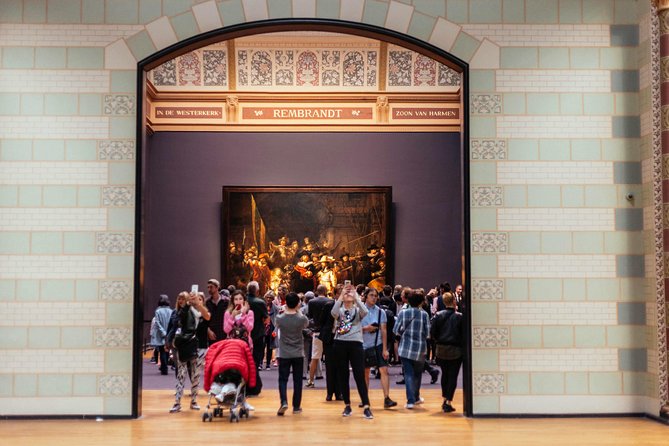
Hals is associated with lively portraits and a sense of movement. Vermeer is known for quiet interiors, controlled light, and small moments that feel carefully observed. Rembrandt brings emotional force, strong contrasts, and a more dramatic interest in character.
A good guide will keep these distinctions clear. You should come away understanding not only who painted a work, but why one picture feels calm while another seems immediate or theatrical.
Several people who booked this tour praised Rolf for his art-history background and his habit of tailoring the route to a group’s interests. Anna is noted for explaining historical setting and artistic meaning in a way that kept family groups involved. Marten is praised for linking paintings with the museum’s architecture, Dutch commerce, and wider history.
These details matter because famous paintings can be surprisingly hard to appreciate in person. You may recognize a title but miss the social clues, technical choices, or story behind it. The guide’s explanation gives you a way into the picture without turning the visit into a classroom lecture.
The museum can also be crowded around major works. A private guide cannot make the galleries empty, but can help you use your time wisely and avoid spending half the visit searching for the headline paintings.
A few more Amsterdam tours and tickets worth comparing
- Van Gogh Museum Tour Reserved Entry Semi Private
★ 5.0 · 1,437 reviews - Private Amsterdam Red Light District and Coffee Shop Tour
★ 5.0 · 763 reviews - Anne Frank and Jewish Quarter Amsterdam Private Walking Tour
★ 5.0 · 684 reviews - Amsterdam Airport & Non-Airport Private Transfer to City Center
★ 4.5 · 521 reviews
Eighteenth-century objects beyond paintings
The itinerary does not stop with Dutch masters. The eighteenth-century section introduces clocks, handmade furniture, marble vases, fireplaces, and life-size porcelain animals.
This is a welcome change of pace. These objects show how art reached into wealthy homes and public interiors. A painting tells you how people saw themselves, while furniture, clocks, and decorative objects show what they valued and how they arranged their surroundings.
The porcelain animals may be an unexpected favorite, especially for families. They add visual variety after several galleries of paintings and remind you that a national museum is not only a collection of canvases.
You should ask your guide to explain how these objects fit into Dutch society. The value here is not just noticing that an item is beautiful. It is understanding why it was made, what it signaled, and how craftsmanship shaped everyday life.
Again, time is the limiting factor. The tour’s broad range is useful, but you will not receive a long explanation of every object. If decorative arts are your main interest, say so before the tour begins.
Waterloo and the nineteenth century
The nineteenth-century portion includes the Rijksmuseum’s largest painting, Battle at Waterloo. Its scale changes the experience after the more intimate rooms devoted to earlier art.
Large historical paintings were designed to command attention. They present battles and political events as public memory, often with a clear message about courage, victory, and national identity. A guide can help you look past the sheer size and ask who commissioned the work, what it wants you to feel, and how history is being presented.
This final period also gives the route a useful endpoint. You begin with medieval religious art and finish with modern ideas about nations, public events, and historical storytelling.
The description of the itinerary is cut off after this point, so you should not assume that every nineteenth-century gallery or major work is included. The confirmed focus is the Waterloo painting and a selection of works across the period.
Two hours is enough for highlights, not the whole museum
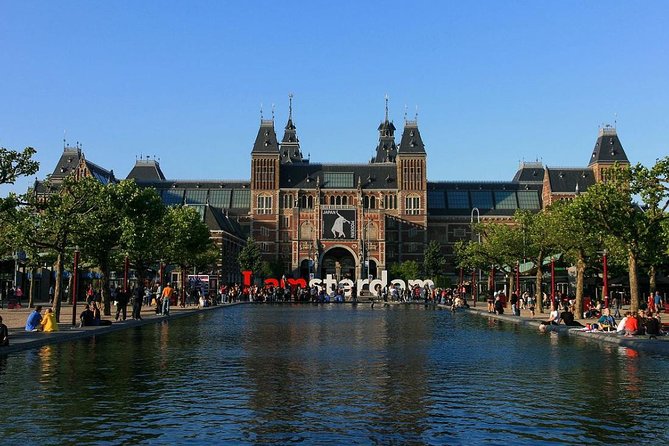
The tour lasts about two hours. That is a sensible length for a guided introduction, particularly if you have only one day in Amsterdam or want to combine the museum with other plans.
I would treat the experience as a strong orientation visit, not a complete Rijksmuseum day. The guide takes you to important works and supplies the context that makes them easier to remember. Afterward, you can decide if you want to return on your own for quieter rooms or overlooked objects.
One advantage of a private tour is that you can use the two hours according to your energy. Your group can spend longer on Rembrandt, move faster through a section, or ask questions about Dutch history. The guide is not trying to keep thirty people together.
There is also a small timing issue to watch. One person reported that delays in meeting the guide reduced the actual museum time, while the guide still finished according to the planned two-hour schedule. Arrive early at the stated meeting point, Hobbemastraat 18, and make sure you have the correct contact details before the day of the visit.
What the price really includes
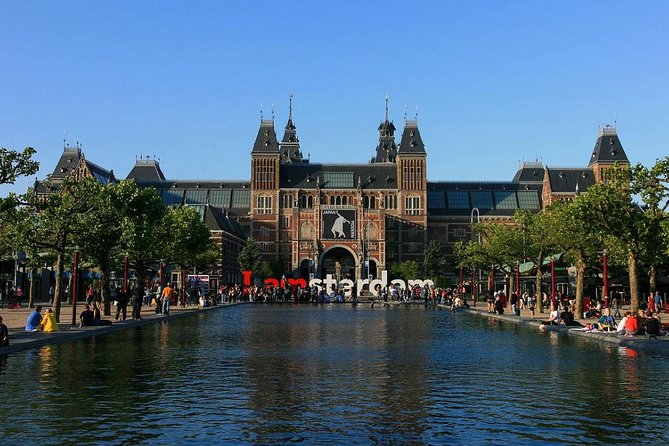
The listed price is 141.87 dollars per person. That pays for a private walking tour and a local guide, but not the museum ticket. You also need to pay 20 euros per person to the host in cash.
That makes the total cost higher than the headline figure suggests. For a solo visitor or couple on a tight budget, a standard museum visit with an audio guide may be better value. For a family or small group, the calculation can look more reasonable because the guide’s attention is shared only among your party, and group discounts may be available.
The value depends heavily on your priorities. You are paying for saved planning time, a focused route, and the chance to ask questions. You are not paying for a full-day museum seminar or unlimited time inside every gallery.
The skip-the-line element can also matter during busy periods. It reduces waiting, though the ticket arrangement needs careful attention because admission is prebooked by the guide rather than included in the tour price.
Meeting point, communication, and ticket concerns
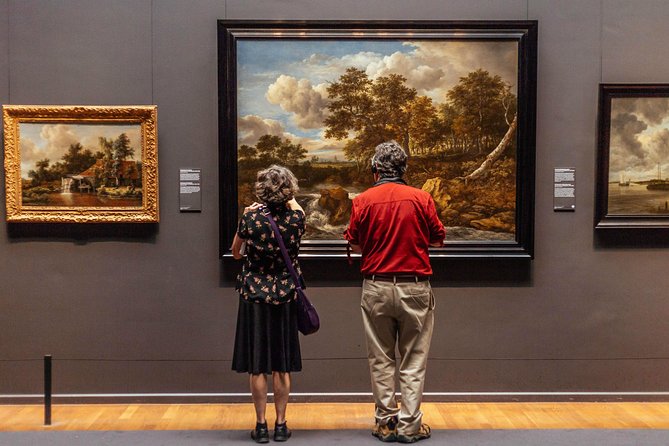
The tour begins at Hobbemastraat 18, 1071 ZB Amsterdam, and ends back at the meeting point. The location is near public transportation, and the activity is suitable for most people.
The important practical issue is ticket confirmation. Although the guide handles prebooking, a few bookings have failed because tickets were no longer available. In those cases, the payment for the tickets was refunded, but the planned museum visit was lost. Another booking involved a guide who did not appear, and one group had trouble finding the guide because the meeting details were not clear.
These problems appear to be exceptions rather than the normal experience, since the overall rating is 4.8 from 159 ratings and 94 percent recommend the experience. Still, the risk matters because the Rijksmuseum may be one of your main reasons for visiting Amsterdam.
I would confirm the start time, meeting point, guide contact, and ticket status before leaving for the museum. Keep the 20 euros per person in cash ready, and do not assume that the tour price itself includes admission.
The experience is non-refundable and cannot be changed after booking. That makes careful date selection especially important.
Who will get the most from this Rijksmuseum tour
This tour fits you best if you want a clear introduction to Dutch art and do not want to plan a museum route yourself. It is also a good match for families, couples, and small groups with different interests.
You will likely get the most from it if you:
- Have about two hours and want to see major works efficiently
- Prefer asking questions to listening to a recorded guide
- Want art explained alongside Dutch history and commerce
- Are visiting the Rijksmuseum for the first time
- Need a route that can respond to your group’s interests
You may want another option if you prefer to wander alone, spend a full day in the museum, or keep costs as low as possible. The extra entrance fee and private-guide price are hard to justify if you only want a quick look at a few paintings.
The quality also depends on the individual guide. Rolf, Anna, and Marten receive especially strong praise for personal, clear explanations, but one less successful experience involved a newer guide whose approach felt rushed and more opinion-based than historical. That is a fair reminder that private tours are personal: the right guide can transform the museum, while an average one may simply move you from room to room.
Should you book it?
Book this tour if you value context, personal attention, and a sensible route through a very large museum. The strongest version of the experience gives you a useful story from medieval religious art through Lucas van Leyden, Hals, Vermeer, Rembrandt, eighteenth-century decorative arts, and the Battle at Waterloo.
I would book it for a first visit with limited time, especially with children or relatives who may lose interest without a clear guide. Before paying, confirm the guide, meeting details, and ticket availability. If the extra cost and cash admission fee fit your budget, this is a practical way to make your first Rijksmuseum visit count.
FAQ
How long does the private Rijksmuseum tour last?
The tour lasts approximately two hours.
Are Rijksmuseum admission tickets included?
No. Admission tickets are not included in the tour price. You pay the host 20 euros per person in cash, while the guide handles prebooking.
Where does the tour begin?
The meeting point is Hobbemastraat 18, 1071 ZB Amsterdam, Netherlands.
Is this a private activity?
Yes. Only your group and the private guide participate.
Which artists and periods are covered?
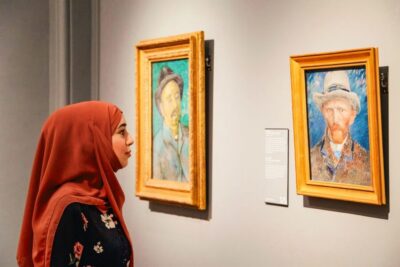
The route includes medieval art, the Renaissance, the Dutch Golden Age, eighteenth-century objects, and nineteenth-century works. Featured artists and subjects include Geerten tot St. Jans, Lucas van Leyden, Frans Hals, Vermeer, Rembrandt, van Gogh, and the Battle at Waterloo.
Can the tour be canceled or changed?
No. This experience is non-refundable and cannot be changed for any reason.
Newest Amsterdam write-ups
- Zaanse Schans: Half-Day Private Guided Tour★ 5.0 · 4 reviews
- Zaanse Schans: Private Cruise + Live Guide, Optional Drinks★ 4.7 · 26 reviews
- Zaanse Schans: Wooden Shoe Painting Workshop★ 4.9 · 23 reviews
- Amsterdam: Private Zaanse Schans Windmills and Volendam Trip★ 4.9 · 31 reviews
- Zaanse Schans: Pancake Restaurant Visit★ 4.5 · 26 reviews
- Amsterdam: Zaanse Schans E-Bike Tour with Windmills & Cheese★ 4.5 · 12 reviews
- Zaandam: Paint a Perfect Portrait workshop★ 5.0 · 5 reviews
- Volendam: Volendams Museum Entry Ticket★ 4.4 · 14 reviews
Rijksmuseum Tickets, compared.
Rijksmuseum Amsterdam Small-Group Tour with Private Upgrade
Read our review →
Rijksmuseum Entry Ticket and Canal Cruise Combo
Read our review →
Rijksmuseum Amsterdam Exclusive Guided Tour w/ Reserved Entry
Read our review →
Van Gogh & Rijksmuseum w/ Reserved Entry Semi-Private 8ppl Max
Read our review →
Van Gogh & Rijksmuseum w/ Reserved Entry Exclusive Guided Tour
Read our review →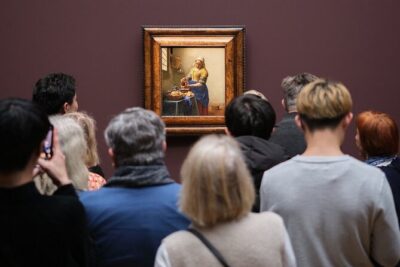
Browse the lists this tour appears in