
Reviewed · MUSEUMS
Amsterdam Museum of the Canals Admission Ticket with Audiotour
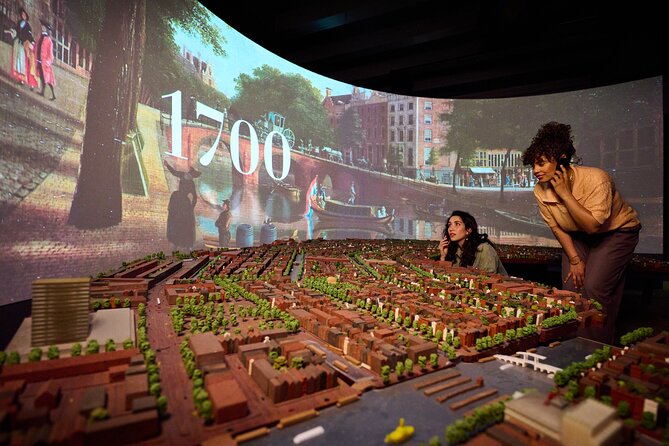
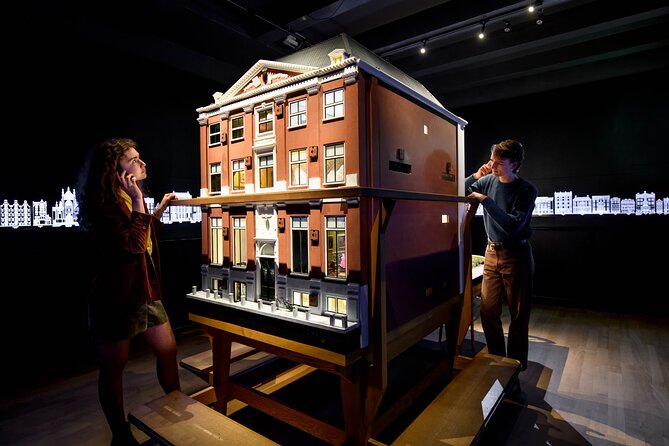
Amsterdam’s canal ring is more than a pretty backdrop for boat rides. Inside the Museum of the Canals, you see how this planned waterway helped shape the city, using period rooms, models, projections, and an audio tour in a handsome 17th-century canal house. The cleverest feature is a projected doll’s house that makes the city’s growth easier to grasp.
I like the interactive displays and the way the museum shows construction methods rather than simply listing dates. I also like its manageable one-hour length, central Herengracht address, and garden, which make it an easy addition to a day of sightseeing.
The main drawback is its limited depth. You get quick bursts of history, not a full scholarly study of Amsterdam, and the published opening information lists Monday hours only, from noon to 5 p.m. Check the current hours before setting out.
Key points to know before you go

- A 17th-century canal house sets the scene: The museum itself is part of the story, with classical rooms and a garden.
- The projected doll’s house explains city growth: It is one of the most memorable ways to understand how Amsterdam developed.
- Construction models add useful detail: You see how the canals and buildings were made, not just when they appeared.
- The visit takes about one hour: It works well after you have spent a day seeing Amsterdam’s canals in person.
- The audio tour keeps you moving: A multilingual guide accompanies the permanent multimedia presentation.
- The ticket costs $22.29 per person: Prebooking is useful when you want guaranteed entry to a popular central attraction.
Why Amsterdam’s canals make more sense inside this museum
Amsterdam’s canal ring can feel effortless from the street. You stroll beside the water, admire narrow houses, and watch boats glide past. The Museum of the Canals shows the planning and work behind that familiar view.
The canal ring is UNESCO World Heritage listed, and this museum gives you a practical introduction to why it matters. Instead of treating the canals as decoration, the visit explains their role in Amsterdam’s growth and the methods used to build the city around them.
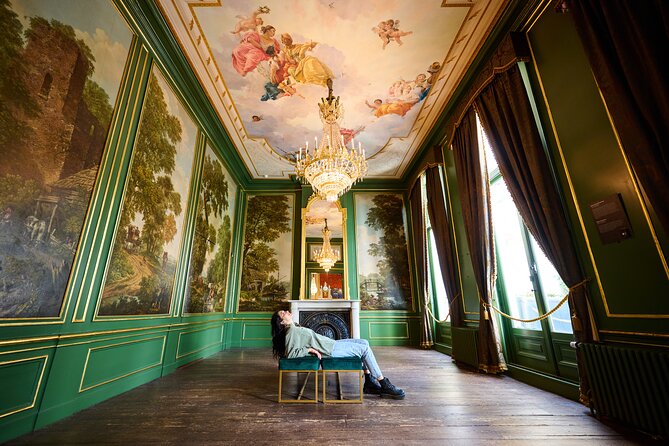
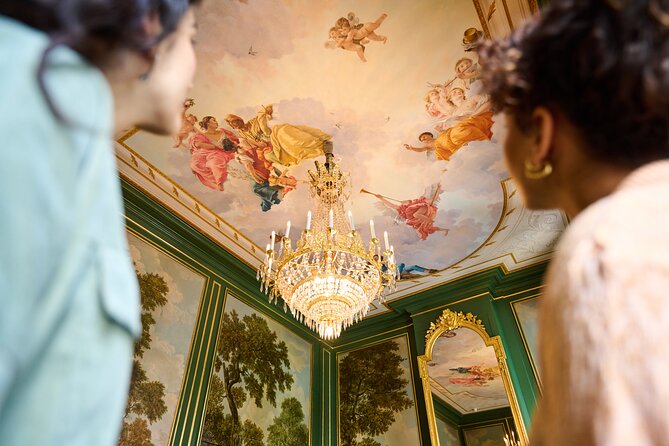
That setting matters. You are not entering a modern exhibition hall with a few old objects behind glass. You walk into a 17th-century canal house on Herengracht, one of the city’s most recognizable streets. The classical period rooms give the visit a physical connection to the era being explained.
I find that useful for first-time visitors. After a few days in Amsterdam, you may have questions about why the canals curve as they do, how the houses were built, and how the city could expand on such wet ground. The museum addresses those questions in a compact format.
More museums and galleries in Amsterdam:
- Amsterdam: The Upside Down Museum Entrance Ticket
★ 4.4 · 9,506 reviews - Amsterdam: Red Light Secrets Museum Entry Ticket
★ 4.2 · 5,722 reviews - Amsterdam’s Weirdest Museum: Believe It or Not!
★ 4.5 · 4,086 reviews
Entering the canal house at Herengracht 386
The museum is at Herengracht 386, in the heart of Amsterdam. This central address makes it easy to pair with other time in the canal district, and the attraction is near public transportation.
Your ticket includes admission to the Museum of the Canals and its permanent multimedia tour. The activity begins and ends at the museum, so there is no separate meeting point, coach transfer, or walking route to follow.
The experience is listed at about one hour. That is short enough for a busy sightseeing day, but long enough to give you a useful framework for the city. I would treat it as a focused museum visit rather than an all-day attraction.
The published schedule lists Monday opening from 12 p.m. to 5 p.m. for the stated operating period. Because hours can affect your plans, check the current schedule before you go, especially if you are building the visit around a canal cruise, lunch, or another timed activity.
Moving through rooms, models, and projections
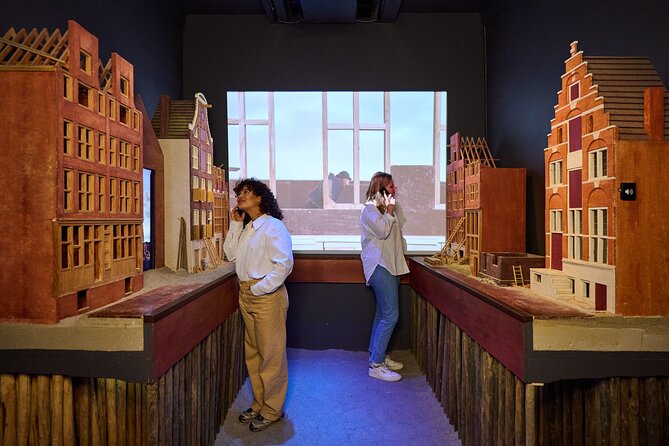
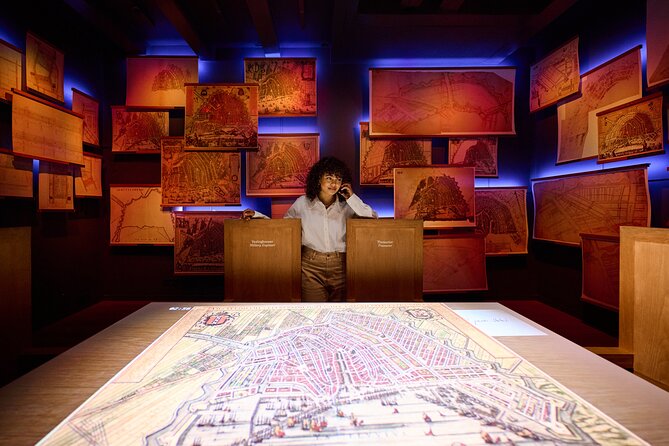
The permanent tour leads you through the history of Amsterdam and its canals using several forms of presentation. You will find classical period rooms, models showing construction methods, interactive sections, and projected material.
The models are especially useful because Amsterdam’s development is not always easy to picture from written explanations. A physical model can show the relationship between water, streets, and buildings much faster than a paragraph of text.
The projected doll’s house is another strong point. Projection turns a small-scale display into a changing visual explanation of the city. It offers a quick way to see how Amsterdam developed over time, and it gives younger visitors something active to watch rather than a room full of static labels.
The museum also uses interactive elements partway through the visit. These help break up the historical material and give you a chance to engage with the subject instead of simply walking from room to room.
I would not expect a large collection of rare objects or a long sequence of galleries. The strength here is explanation. You are learning how the city was planned and built, with the building itself helping to tell the story.
What the audio tour adds
The audio guide accompanies the multimedia route and is available in multiple languages. The booking information lists English as the offered language, so check the language choice available when you reserve if you need another option.
An audio tour is a good match for this museum because it lets you move at your own pace. You can spend more time with a model that catches your attention, then continue when you are ready. You are not tied to a live guide’s schedule or a fixed group route.
The audio content also helps connect separate displays. A construction model, a period room, and a projection can each be interesting on their own, but the narration explains how they fit into the wider story of Amsterdam.
There is no named personal guide for this experience. Instead, the multimedia presentation and audio guide provide the interpretation. That makes the visit flexible, but it also means you will not be able to ask a guide follow-up questions as you would on a private walking tour.
A few more Amsterdam tours and tickets worth comparing
- Amsterdam: Heineken Experience Ticket
★ 4.6 · 30,055 reviews - Amsterdam: Rijksmuseum Entry Ticket
★ 4.7 · 25,535 reviews - Amsterdam: Icebar Entry Ticket with 3 Drinks
★ 4.2 · 14,562 reviews - Amsterdam: Keukenhof Ticket and Roundtrip Shuttle Transfer
★ 4.7 · 11,799 reviews
A quick lesson, not a full study of Amsterdam
The museum’s compact format is both its advantage and its limit. In about an hour, you can gain a clear sense of how Amsterdam and its canals developed. You can also see the subject explained through several formats, from architecture and models to projection and audio.
But the visit moves briskly. Some subjects are introduced and then left behind fairly quickly. If you want a detailed account of every period in Amsterdam’s history, the city’s trade, or the full engineering story of the canal ring, this attraction may feel too brief.
I would use it as a foundation. Visit after you have spent a day or two walking along the canals, and the explanations will have something real to attach to. You will recognize the canal houses and water routes, then understand more about the decisions behind them.
It can also work before a canal cruise. The museum gives you context first, while a boat ride lets you see the city from the water. The supplied information does not include a combined ticket or a cruise, so those would be separate plans.
The garden and changing exhibitions
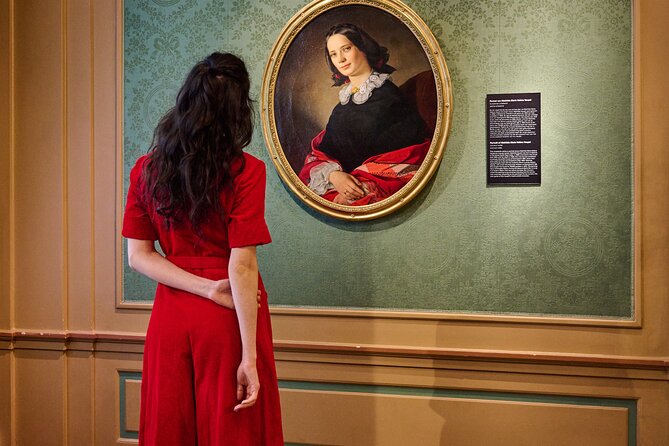
The museum includes a beautiful garden, which gives the visit a welcome change from indoor displays. The garden is part of the canal house experience, and it adds a quieter moment to a tightly planned central Amsterdam day.
Changing exhibitions are also part of the museum. Their content can vary, so you should not book this ticket expecting a particular temporary show unless you have checked what is on during your visit.
The permanent multimedia tour is the reliable core of the experience. The garden and changing exhibitions give you extra reasons to look around, but the canal history presentation is what justifies the ticket.
Is $22.29 good value?
At $22.29 per person, this is not a free museum stop, but the price is reasonable if you want a focused introduction to Amsterdam’s canal system. Admission includes the multimedia audio tour, the permanent presentation, the period rooms, and access to the museum’s other listed features.
The value depends on how you like to sightsee. If you prefer large museums with several hours of collections, the short visit may not feel like enough for the price. If you want one clear, well-contained explanation of Amsterdam’s canals, the one-hour format can be efficient.
Prebooking has a practical benefit. The attraction is popular, and reserving ahead guarantees your entry. The average booking lead time is 11 days, which suggests that many people plan this stop rather than simply wandering in at the last minute.
The ticket is especially sensible for a first visit when the canal ring is one of your main reasons for coming to Amsterdam. It is less essential if you already know the city’s canal history well or plan to spend your museum time at larger institutions.
Who will get the most from this visit?
I would recommend the Museum of the Canals to first-time visitors, families, and anyone who wants historical context without committing half a day. The interactive sections, models, and projection make the presentation approachable for different ages.
It also suits history lovers who want to understand the city’s physical development. The focus on construction methods is more useful than a simple parade of dates, especially if you have wondered how Amsterdam’s canal houses and waterways were made.
The visit is also practical for people with a tight schedule. Most visitors can participate, the museum is near public transportation, and service animals are allowed. The maximum group size is 12, although the experience is built around a museum audio tour rather than a personal guide.
You may want something else if you prefer live storytelling, long guided discussions, or a large collection of original objects. This is a self-paced multimedia museum visit, not a walking tour through the city.
Planning the timing and ticket
Allow about one hour for the museum itself. Add time for getting to Herengracht 386 and for browsing the garden or any changing exhibition.
The ticket is mobile, and confirmation is provided at booking. Keep the ticket accessible on your phone, then go to the stated address. Since the activity ends where it starts, you can continue directly into the canal district afterward.
Free cancellation is available if you cancel at least 24 hours before the experience start time. Cancellations made within 24 hours are not refunded, and changes during that period are not accepted. The cutoff uses Amsterdam local time, so plan carefully if your schedule is still changing.
Should you book the Museum of the Canals?
Book it if you want a clear, one-hour explanation of Amsterdam’s canal ring, especially after you have begun exploring the city on foot. The projected doll’s house, construction models, period rooms, and interactive displays give the visit more life than a basic audio-only museum.
I would skip it if you want a long, highly detailed history museum or a live guide who can answer questions. At $22.29, the ticket makes the most sense for visitors who value a compact introduction and the security of reserved entry.
For many people, it is a smart early or middle stop in Amsterdam. It helps you look at the canals with a better understanding of the planning and labor behind them, then sends you back outside with more to notice.
FAQ
Where is the Museum of the Canals located?
The museum is at Herengracht 386, 1016 CJ Amsterdam, Netherlands.
How long does the visit take?
The experience lasts approximately one hour.
What does the ticket include?
Admission to the Museum of the Canals is included, along with the permanent multimedia tour and audio guide.
Is an audio guide available?
Yes. The museum provides a multilingual audio guide. The booking details list English as the offered language.
What are the opening hours?
The listed opening hours are Monday from 12 p.m. to 5 p.m. for the stated operating period. Check the current hours before visiting.
Is the ticket mobile?
Yes. This experience uses a mobile ticket.
Can I cancel for a full refund?
Yes, if you cancel at least 24 hours before the experience start time. Cancellations within 24 hours are not refunded.
Is the museum suitable for most people?
Most travelers can participate. The museum is near public transportation, and service animals are allowed.
Newest Amsterdam write-ups
- Zaanse Schans: Half-Day Private Guided Tour★ 5.0 · 4 reviews
- Zaanse Schans: Private Cruise + Live Guide, Optional Drinks★ 4.7 · 26 reviews
- Zaanse Schans: Wooden Shoe Painting Workshop★ 4.9 · 23 reviews
- Amsterdam: Private Zaanse Schans Windmills and Volendam Trip★ 4.9 · 31 reviews
- Zaanse Schans: Pancake Restaurant Visit★ 4.5 · 26 reviews
- Amsterdam: Zaanse Schans E-Bike Tour with Windmills & Cheese★ 4.5 · 12 reviews
- Zaandam: Paint a Perfect Portrait workshop★ 5.0 · 5 reviews
- Volendam: Volendams Museum Entry Ticket★ 4.4 · 14 reviews
Museums, compared.



Amsterdam’s Weirdest Museum: Believe It or Not!
Read our review →

Van Gogh Museum Amsterdam Exclusive Tour w/ Reserved Entry
Read our review →
Moco Museum Amsterdam Admission Ticket with Banksy and more
Read our review →
Van Gogh Museum Tour Reserved Entry Semi Private
Read our review →Browse the lists this tour appears in