
Reviewed · MUSEUMS
Amsterdam: Canal House Museum ‘Willet-Holthuysen’ Ticket
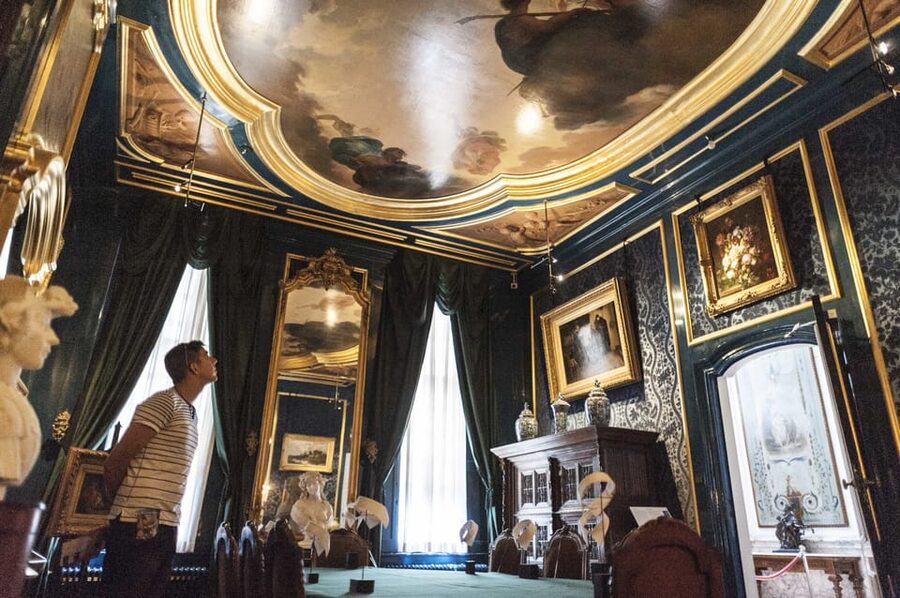
Amsterdam’s canal houses hide their best surprises indoors. At Museum Willet-Holthuysen, you enter a 17th-century double canal house and see how a wealthy 19th-century couple arranged their rooms, entertained friends, displayed art, and managed household work. The visit moves from polished reception rooms to the basement kitchen, then out into a formal garden.
I like the self-paced audio guide, which lets you choose the rooms and objects that deserve more attention. I also like the contrast between the grand Louis XVI ballroom and the plain working spaces below, a useful reminder that elegant Amsterdam living depended on a large staff.
The main consideration is accessibility. The museum is not suitable for wheelchair users, and a temporary exhibition may sometimes use audio throughout the house, making the main guide harder to hear.
Key points at a glance
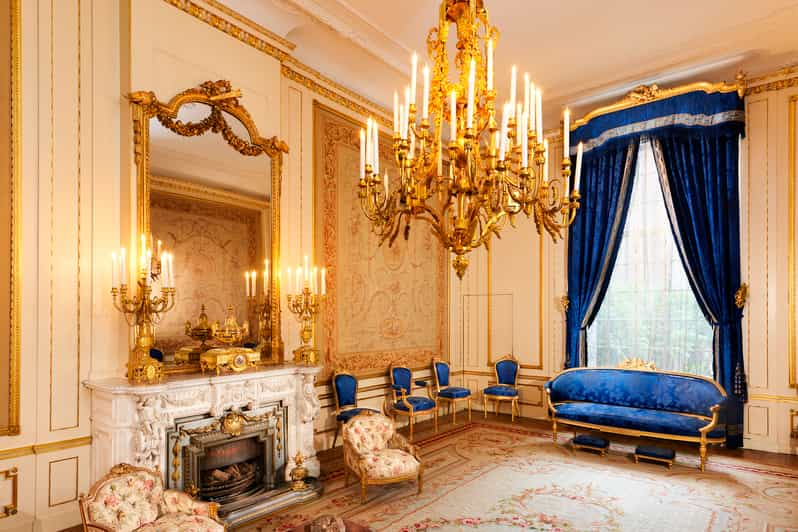
- Louis XVI ballroom: Begin among ornate furniture and formal decoration in the house’s grandest reception room.
- A complete canal-house interior: Move from dining room and salons to the gallery, kitchen, and pantry.
- Abraham Willet’s collection: See paintings, silver, ceramics, sculptures, photographs, and antique furniture in their domestic setting.
- A formal garden behind the house: Explore an 18th-century French-style garden with historic trees and plants.
- Self-guided and flexible: Use the included audio guide in seven languages and move at your own pace.
- Central location: The museum is at Herengracht 605, with a ticket costing about $18 per person.
Why this canal house is worth your time
Amsterdam is famous for its narrow canal houses, but street facades tell only part of the story. At Willet-Holthuysen, you get inside one of the grander homes and see how its rooms connected to social rank, taste, and household labor.
The house was left to Amsterdam in 1895 by Mrs. Willet. She donated the property along with the collection of her late husband, Abraham. That decision preserved more than a collection of objects. It kept an entire domestic setting together, allowing you to see paintings, furniture, silver, and ceramics where they make sense: inside a wealthy home.
That setting gives the museum its appeal. A silver object in a glass case can be handsome, but silver on a dining table beside ornate furniture tells you more about its purpose. A painting in a salon shows how art helped shape the mood of a room. The house lets you read the objects as part of daily life rather than as isolated museum pieces.
I would allow enough time to look closely rather than rush from room to room. The ticket is valid for one day, and the audio guide means you do not need to follow a fixed group schedule. Check the available starting times when you book, then plan the visit around the rest of your canal district sightseeing.
More museums and galleries in Amsterdam:
- Amsterdam: The Upside Down Museum Entrance Ticket
★ 4.4 · 9,506 reviews - Amsterdam: Red Light Secrets Museum Entry Ticket
★ 4.2 · 5,722 reviews - Amsterdam’s Weirdest Museum: Believe It or Not!
★ 4.5 · 4,086 reviews
The ballroom and the public face of wealth
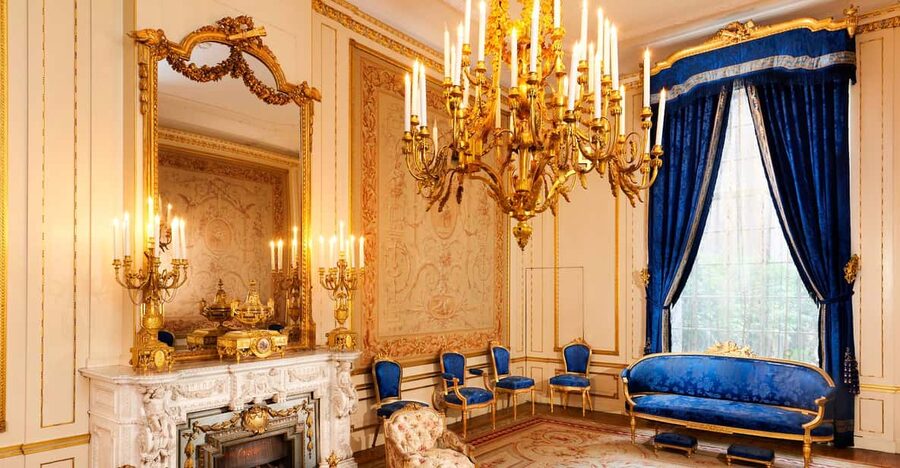
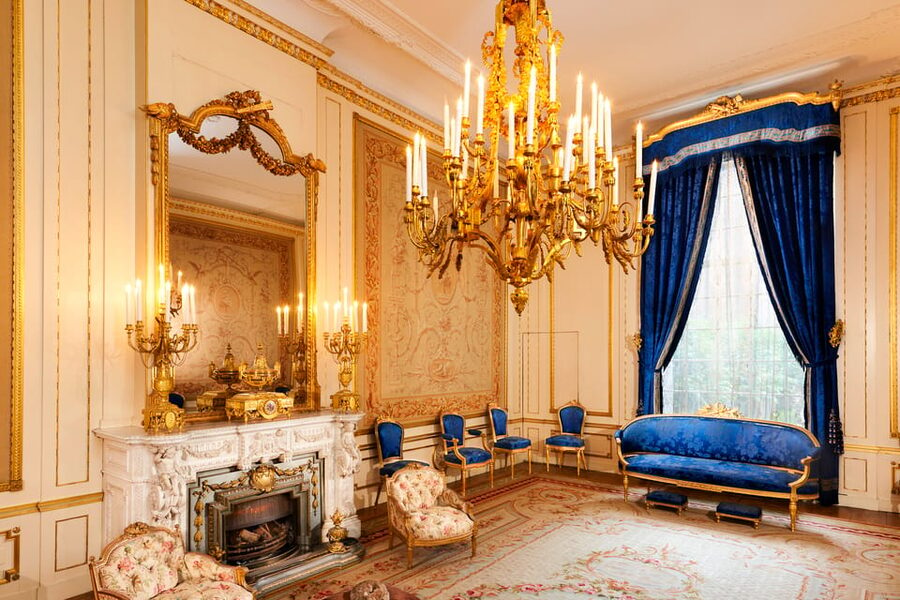
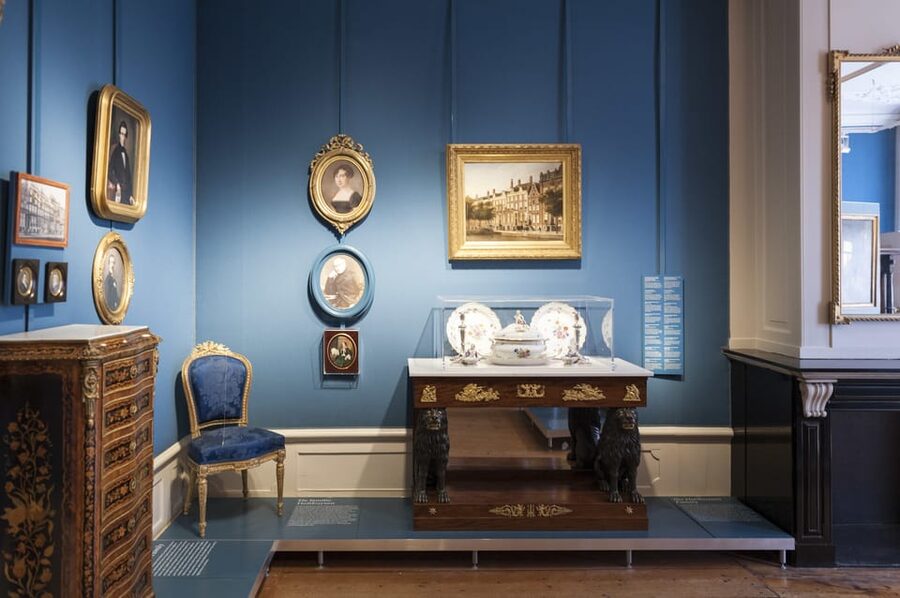
Your route begins on the first floor, where the ballroom sets the tone. Decorated in Louis XVI style, it presents the formal side of the Willets’ life: symmetry, ornament, fine furnishings, and a room designed to impress.
This is the place to picture receptions and social calls rather than quiet family life. The room helps explain why wealthy canal houses needed so much space. A grand home was also a stage, and the most elaborate rooms faced the social world.
The audio guide is useful here because it gives context to the decoration and the objects around you. You can listen in English, Spanish, Dutch, French, German, Italian, or Russian. The format is not a tightly managed group tour, so you can pause, move ahead, or return to a room that caught your eye.
That freedom matters in a house museum. Some people will want to study the furniture and decoration. Others will care more about the family story or the house’s layout. You can set your own balance.
One practical warning: a temporary art installation has occasionally used sound in several rooms. When that audio is loud, it can compete with the main tour. If clear listening matters to you, pay attention to the sound level before settling into a long stop.
Dining room, salons, and private rooms
From the ballroom, the visit continues into the dining room and the salons used by the master and lady of the house. These rooms show the division between public entertaining and more personal domestic life.
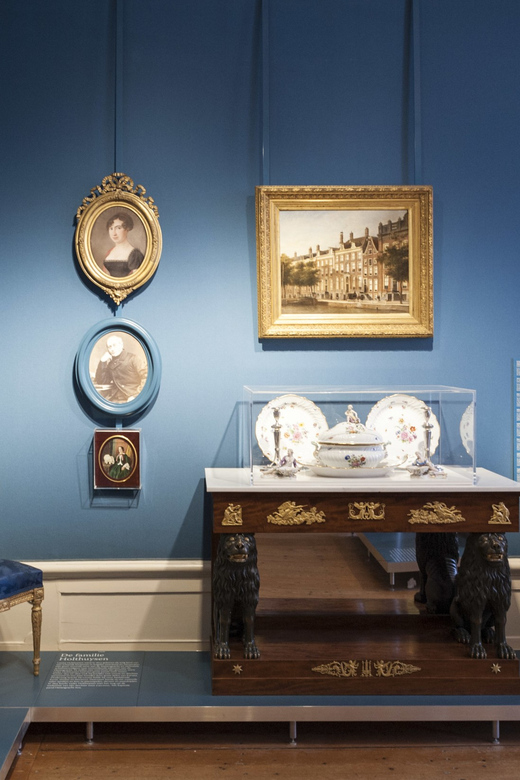
The dining room is especially helpful for understanding the service behind a formal meal. The objects on display are not just decorative. Silver, ceramics, furniture, and table settings reveal the care taken to present wealth to family and visitors.
The separate salons offer a change of mood. Rather than one endless parade of expensive objects, the house gives you rooms with different purposes and atmospheres. The audio guide can help explain those distinctions, though the information points placed around the house are also useful if you prefer reading to listening.
You will not be pushed through at a set pace. That makes this a good stop for independent museumgoers who dislike large groups. It also means you need to take responsibility for your own route. Listen to the key sections, then spend longer with the rooms that speak to you.
The collection includes paintings, sculptures, photographs, ceramics, silver, and antique furniture. The range is broad enough to keep the visit from becoming a single-style interior tour. Still, the main attraction is the house itself and the way the collection fits its rooms.
Abraham Willet’s collection in its original setting

Abraham Willet’s collection is the thread running through the house. His paintings and objects are not presented as a separate list of acquisitions. They appear as part of the home Mrs. Willet gave to Amsterdam.
That distinction gives the museum a strong sense of place. You can look at an ornate chair, then consider how it worked with the rest of the room. You can see a painting not only as an artwork but also as a sign of the couple’s taste and position.
The house also shows how collecting was part of upper-class life. Art, ceramics, silver, and furniture created an environment that told visitors who lived there and what they valued. The collection does not need to be enormous to make that point. Its strength lies in the connection between the objects and the rooms.
A modern art exhibition may also be on display during your visit. That can add interest, especially if you like seeing historic interiors used for current exhibitions. The contrast between new work and old decoration can be stimulating, though it may also pull your attention away from the house. If the temporary installation is loud, the audio guide may be harder to follow.
A few more Amsterdam tours and tickets worth comparing
- Amsterdam: Heineken Experience Ticket
★ 4.6 · 30,055 reviews - Amsterdam: Rijksmuseum Entry Ticket
★ 4.7 · 25,535 reviews - Amsterdam: Icebar Entry Ticket with 3 Drinks
★ 4.2 · 14,562 reviews - Amsterdam: Keukenhof Ticket and Roundtrip Shuttle Transfer
★ 4.7 · 11,799 reviews
The basement reveals the staff’s daily work
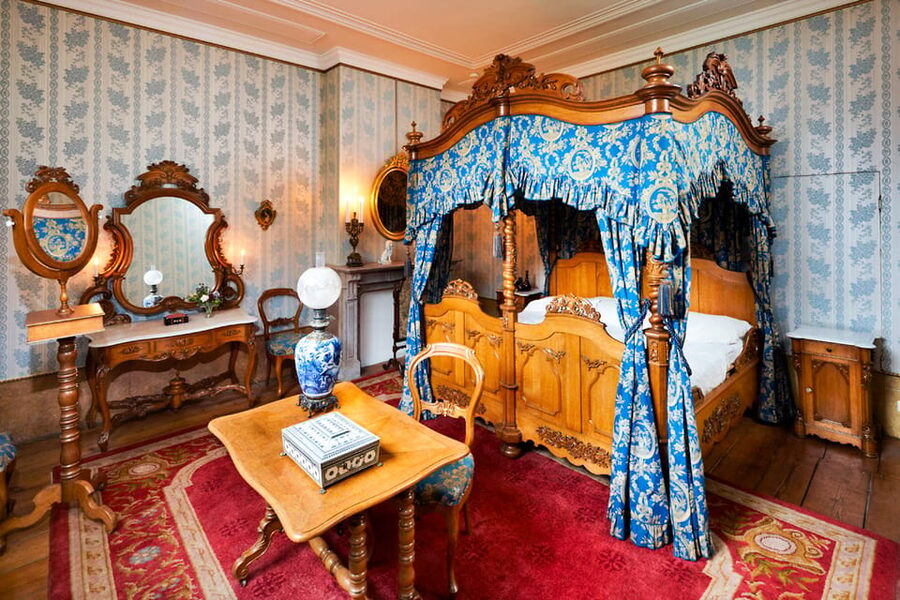
The basement kitchen and pantry provide the most useful change of perspective. Upstairs, wealth appears as polished furniture, formal meals, and carefully arranged art. Downstairs, you see the practical work that made that lifestyle possible.
These rooms give the museum balance. Without them, the visit could feel like a tour of luxury alone. The kitchen and pantry point to preparation, storage, cleaning, and service, even though the exact daily routines are left for you to picture through the rooms.
I particularly like this part of the route because it shifts your attention from the owners to the servants. A grand canal house was not run by one couple. It depended on people whose work stayed largely out of sight when the household was entertaining.
The basement also helps you understand the scale of the building. The formal rooms upstairs were only one part of the home. Service areas, storage, and workspaces were just as important to keeping the house functioning.
If you are visiting with children or anyone who prefers practical details to fine decoration, do not skip this section. It offers a clearer sense of how the home operated than the ballroom alone.
The garden, a green room behind the house
The garden is one of the museum’s strongest features. It was laid out in an 18th-century French style, with a planned design rather than the looser feel of a casual city yard.
The contrast is striking. Herengracht is one of Amsterdam’s famous canals, yet behind the house is a carefully ordered outdoor space with historic trees and plants. The garden extends the house’s formal character outdoors, giving you another way to understand the owners’ taste.
Take time here after seeing the interiors. The garden works as a pause between rooms, but it is also part of the story. Its layout shows that wealth included control over private outdoor space, not simply lavish rooms indoors.
The garden may appeal even if you are less interested in decorative arts. It gives the visit a change of pace and a quieter place to think about the house. In fair weather, it is an especially good reason to include this museum in a day of canal-district sightseeing.
Do not expect a large public park. This is a formal town garden connected to the canal house. Its value comes from its design, history, and relationship to the building rather than from its size.
How the audio guide shapes the visit
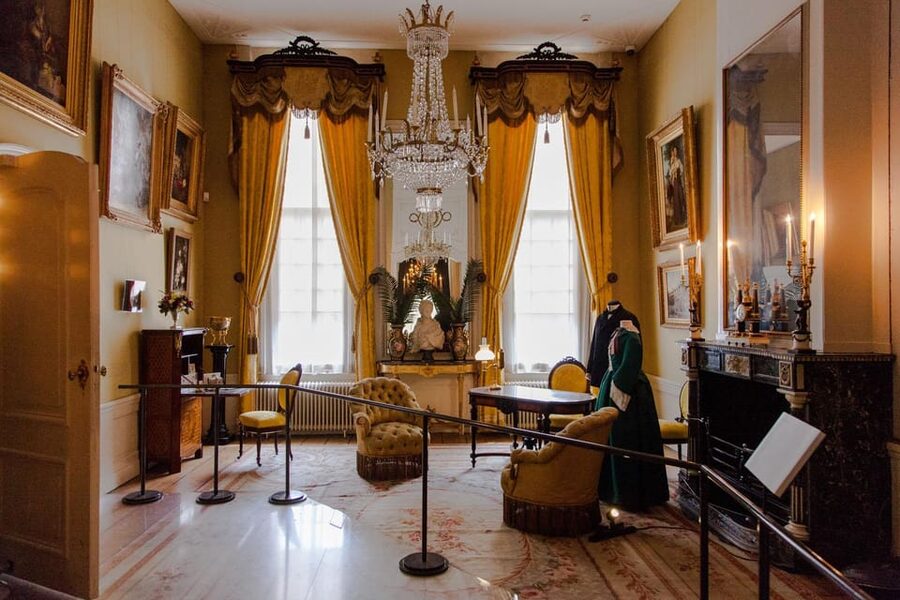
The included audio guide is a major part of the ticket’s value. It is available in English, Spanish, Dutch, French, German, Italian, and Russian, so many international visitors can follow the house without joining a live tour.
The format suits a museum of this kind. You can choose which stops to hear in full and which to pass more quickly. That makes it easier to focus on the ballroom, collection, garden, or servant areas according to your interests.
I would use the guide selectively rather than listening to every word automatically. Start with the main introduction, then choose the rooms that interest you most. The information points around the house add another layer, particularly if you want short explanations instead of longer audio sections.
The sound issue with temporary exhibitions is worth remembering. If another installation is playing throughout the house, move to a quieter position before beginning an audio section. Staff are described as friendly, so asking for help is sensible if you cannot hear clearly.
Price, practical details, and who will enjoy it
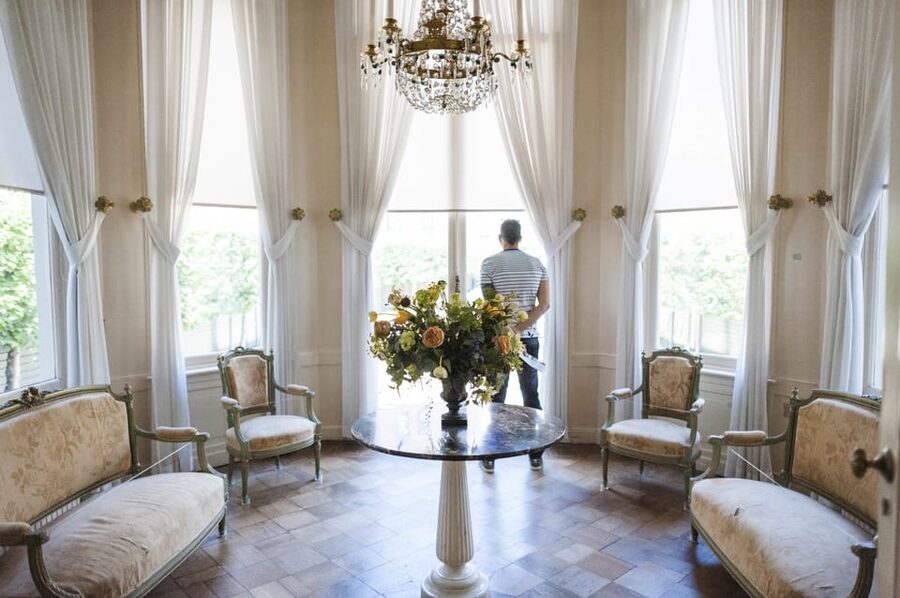
At about $18 per person, the ticket is a fair purchase if you value historic interiors, decorative arts, and self-guided museum visits. You are paying for access to an entire canal house, its collection, basement work areas, and garden, rather than a single gallery.
The value is strongest for people who want to understand how Amsterdam’s wealthy residents lived. If you only want famous paintings, this may not be the best use of your museum budget. The appeal here is the combination of architecture, rooms, objects, servants’ spaces, and garden.
The museum is at Herengracht 605. The ticket is valid for one day, and you should check availability for the starting times before setting your schedule. The booking terms allow cancellation up to 24 hours in advance for a full refund, and a reserve-now, pay-later option is available.
Smoking is not allowed. Wheelchair users should choose another attraction because this museum is not suitable for wheelchair access. Locker storage and clean toilets are available according to the practical facilities noted for the visit.
The museum suits:
- People curious about canal-house interiors
- Art and antique furniture fans
- Independent visitors who prefer moving at their own pace
- Couples and adults interested in domestic history
- Anyone wanting a quieter alternative to Amsterdam’s biggest museums
- Garden lovers who appreciate formal design
It may be less suitable if you need step-free access, dislike audio-guided visits, or want a museum centered only on major artworks. The temporary exhibition can also affect the atmosphere of the historic rooms.
Should you book Museum Willet-Holthuysen?
Book it if you want to see the inside of an elegant Amsterdam canal house and understand the work behind its polished appearance. The ballroom, collection, servant areas, and garden make a fuller visit than a quick look at decorative furniture alone.
I would pair it with a walk along the Herengracht, but I would not treat it as a rushed 30-minute stop. Give yourself room to listen, inspect the objects, and spend time in the garden. The flexible audio format helps you make the visit as short or detailed as your day allows.
Skip it if wheelchair access is essential or if your main goal is a large collection of famous paintings. For everyone else, the $18 ticket offers a focused look at a side of Amsterdam that is easy to miss from the street.
FAQ
Where is Museum Willet-Holthuysen located?
The museum is at Herengracht 605 in Amsterdam, in North Holland, Netherlands.
What does the ticket include?
The ticket includes entrance to Museum Willet-Holthuysen and an audio guide.
Which languages are available for the audio guide?
The audio guide is available in Spanish, English, Dutch, French, German, Italian, and Russian.
How long is the ticket valid?
The ticket is valid for one day. Check availability for the available starting times.
Is the museum wheelchair accessible?
The museum is listed as not suitable for wheelchair users.
Can I cancel the booking?
Yes. You can cancel up to 24 hours in advance for a full refund.
Is a live guide included?
No live guide is listed as included. Host or greeter support is available in Dutch and English, while the audio guide provides the main self-guided information.
Newest Amsterdam write-ups
- Zaanse Schans: Half-Day Private Guided Tour★ 5.0 · 4 reviews
- Zaanse Schans: Private Cruise + Live Guide, Optional Drinks★ 4.7 · 26 reviews
- Zaanse Schans: Wooden Shoe Painting Workshop★ 4.9 · 23 reviews
- Amsterdam: Private Zaanse Schans Windmills and Volendam Trip★ 4.9 · 31 reviews
- Zaanse Schans: Pancake Restaurant Visit★ 4.5 · 26 reviews
- Amsterdam: Zaanse Schans E-Bike Tour with Windmills & Cheese★ 4.5 · 12 reviews
- Zaandam: Paint a Perfect Portrait workshop★ 5.0 · 5 reviews
- Volendam: Volendams Museum Entry Ticket★ 4.4 · 14 reviews
Museums, compared.

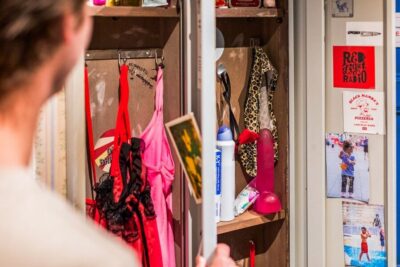

Amsterdam’s Weirdest Museum: Believe It or Not!
Read our review →
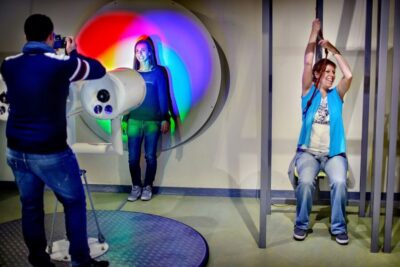

Van Gogh Museum Amsterdam Exclusive Tour w/ Reserved Entry
Read our review →
Moco Museum Amsterdam Admission Ticket with Banksy and more
Read our review →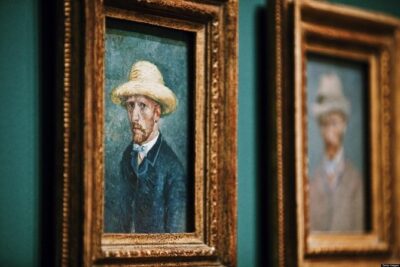
Van Gogh Museum Tour Reserved Entry Semi Private
Read our review →Browse the lists this tour appears in