
Reviewed · RIJKSMUSEUM TICKETS
Amsterdam: Rijksmuseum Private Tour
The real prize here is not simply seeing The Night Watch. It is learning how to read a 17th-century Dutch painting, from tiny symbols and gestures to the technical tricks that make faces, fabric, and light feel alive. Guide Rolf Schreuder is known for energetic explanations and for adjusting the route to match your interests.
I like the private format, especially for families or anyone who finds art museums hard to approach alone. I also like the tour’s focus on ordinary Dutch life, not just kings, saints, and grand historical scenes. The main caution is time: two hours passes quickly, and the museum can be crowded enough to make the final part feel rushed.
Key points to know before you book
- The Night Watch is the headline stop: See Rembrandt’s best-known work in the Rijksmuseum’s Honorary Gallery and learn how to examine its action, light, and painted figures.
- The guide teaches you how to look: Expect discussion of brushwork, composition, symbols, and hidden meanings rather than a simple list of artist names.
- Private means adaptable: Rolf has adjusted tours to suit individual interests, while families with children and teenagers have found the approach accessible.
- Museum admission costs extra: The $235 price covers a private guide for a group of up to two, not your Rijksmuseum ticket.
- Entry planning matters: You meet inside the museum, near the round information counter, after making your way in.
- The pace is focused: This is a highlights tour, not a full-day museum study. Plan extra time if you want to continue exploring afterward.
Why a private Rijksmuseum tour helps
The Rijksmuseum is large enough to overwhelm you. You can walk through room after room of celebrated paintings and still miss the point of what made Dutch art so different. A private guide gives you a thread to follow.
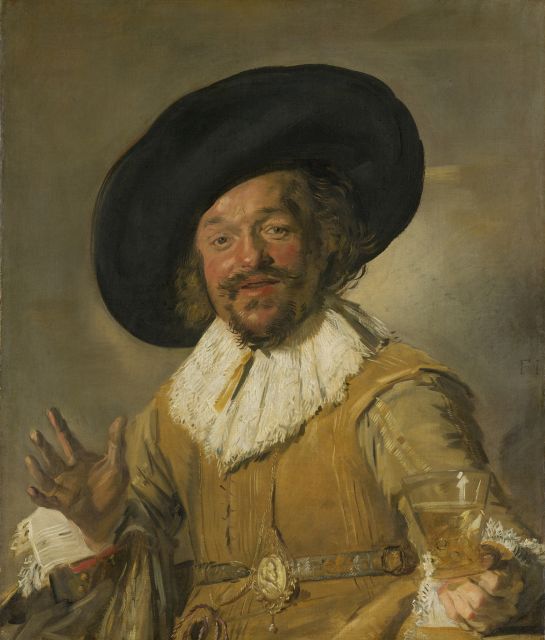
This tour uses the Dutch Masters of the 17th century as that thread. You will look at how artists such as Rembrandt, Vermeer, and Frans Hals worked, then connect their choices to the society around them. The guide explains why Dutch painters began giving more attention to merchants, families, soldiers, servants, interiors, and everyday habits.
That shift matters. Earlier European art often centered on religious scenes, rulers, noble families, and classical mythology. Those subjects still appear in Dutch painting, but the new market also wanted pictures of ordinary life. A painting could decorate a home, teach a moral lesson, record social status, or offer a joke. For many people in the 17th century, images carried the kind of information that books, television, and online media carry for you today.
I find this a useful way into the museum because it connects art to daily life. You are not asked to admire a canvas simply because a famous name is attached to it. You are encouraged to ask who bought it, what the people in it are doing, and what the original audience would have noticed.
More Rijksmuseum tickets and guided visits:
- Amsterdam: Rijksmuseum Entry Ticket
★ 4.7 · 25,535 reviews - Amsterdam: City Canal Cruise and Rijksmuseum
★ 4.5 · 2,129 reviews - Rijksmuseum Amsterdam Small-Group Tour with Private Upgrade
★ 4.5 · 1,547 reviews
Starting inside the Rijksmuseum
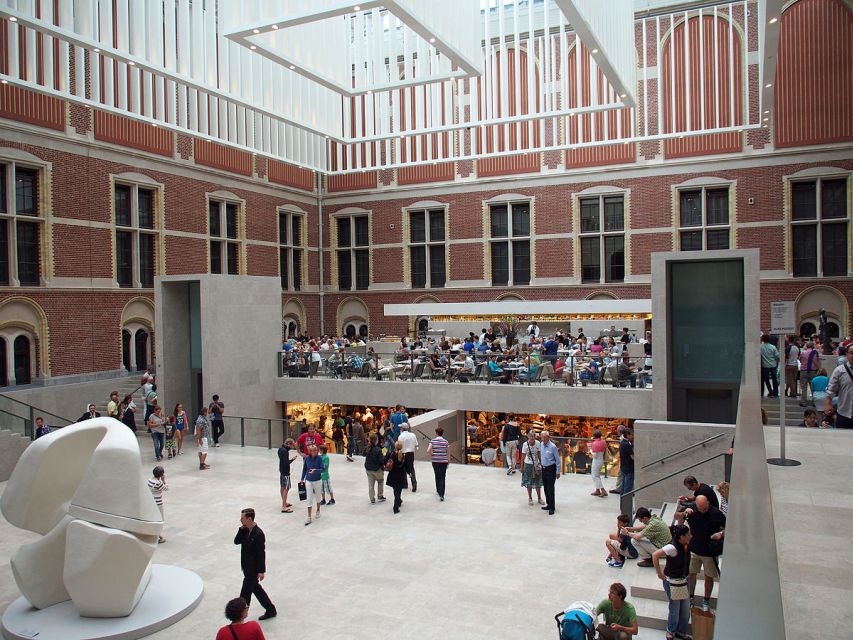
The meeting point is inside the museum, about 10 meters to the right of the round information counter, beside a small sign marked meeting point. You must first enter the museum on your own, since the admission ticket is not part of the tour.
That detail is worth handling carefully. The meeting instructions are specific, but one person found the location unclear in advance. I recommend reading the directions before arrival and allowing enough time to get through the entrance and find the sign without cutting into your two-hour tour.
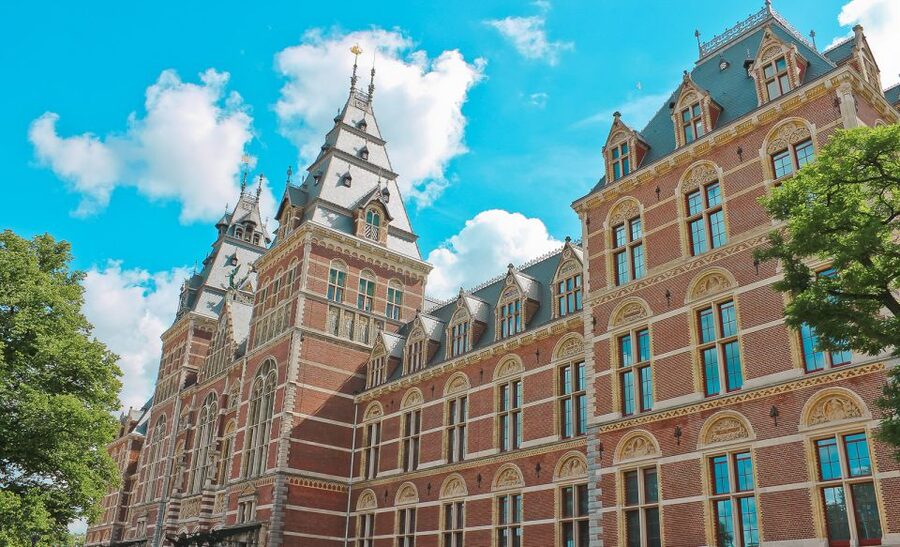
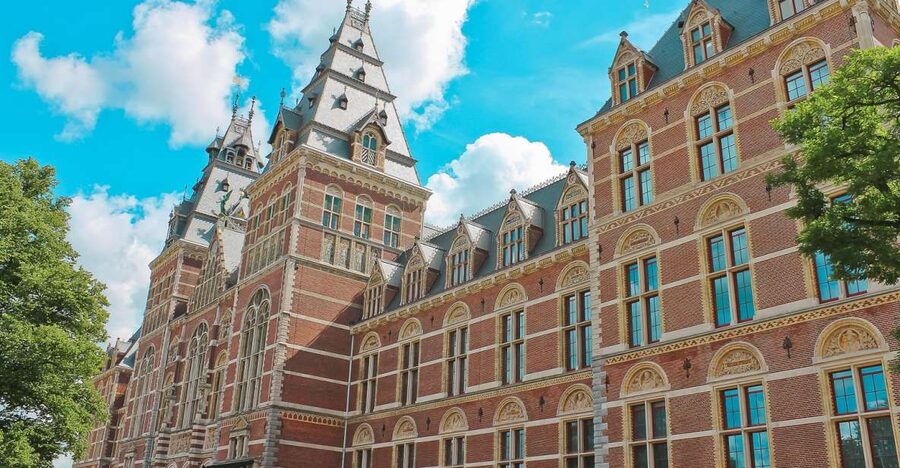
Once you meet your guide, the visit can begin with the Rijksmuseum itself. One past tour included a discussion of the building’s architecture and history before moving to the paintings. That makes sense. The museum setting frames the collection, and a few minutes spent getting oriented can help you understand how the art is arranged.
The tour is offered in Dutch, English, or German. It is also wheelchair accessible. A guide previously arranged a wheelchair for an older family member, which suggests that the private format can be helpful when your group has different mobility needs. Still, it is sensible to raise access requirements when booking.
From medieval art to Dutch innovation
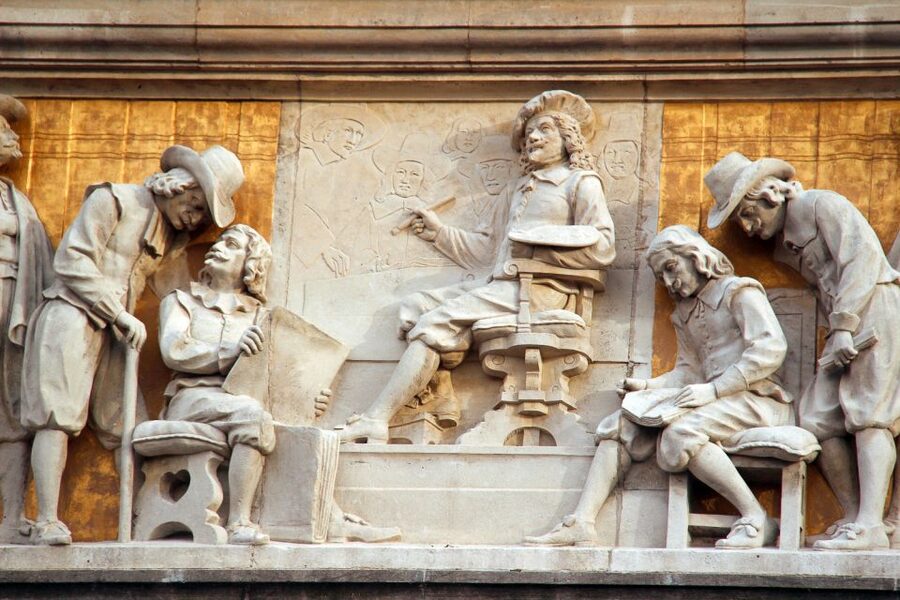
One of the most useful parts of the experience is the comparison between medieval art and the later Flemish and Dutch Masters. You will see how painting moved toward greater attention to observation, light, texture, human expression, and daily surroundings.
That does not mean medieval art was simple or unskilled. The point is that artists worked for different purposes and audiences. The guide helps you notice the change instead of treating art history as a parade of dates and names.
The Dutch Republic’s growing wealth also shaped what artists painted. As Dutch trade expanded and the country became a major sea power, a larger middle class could commission or buy pictures. Art moved beyond churches and royal courts into private homes.
This is where the tour’s social context earns its keep. You may look at a domestic interior, a portrait, or a tavern scene and see more than attractive furniture or amusing characters. Clothing, posture, objects, gestures, and facial expressions can hint at wealth, behavior, ambition, love, discipline, or warning.
The guide also explains how images worked for ordinary 17th-century citizens. A painting could function almost like a book or a cartoon. Once you understand that, small details become worth your attention.
Rembrandt and The Night Watch
The high point is Rembrandt’s The Night Watch in the Honorary Gallery. You will not simply be pointed toward the famous canvas and left to admire it from a distance. The guide discusses its technique, action, lighting, and possible meanings.
The work is a useful example of why Rembrandt remains so compelling. Instead of presenting a static row of uniform men, he creates movement and hierarchy. Your eye is drawn through the scene by light, gestures, weapons, clothing, and the positions of the figures.
A private guide can also adjust the explanation to your group. If you already know the basics, you can ask about technique or symbolism. If Rembrandt is new to you, the guide can slow down and explain what to notice first.
Crowds are the main complication here. The museum may be busy, and getting a clear view can take patience. The tour includes advice on how to skip the worst of the line or make the wait more manageable, but that does not mean you receive admission without a ticket or guaranteed instant access.
One recent tour became somewhat rushed near the end because the guide had another appointment. That is a useful reminder to protect your time. Arrive ready, meet promptly, and do not expect the two-hour visit to cover every major room.
A few more Amsterdam tours and tickets worth comparing
- Van Gogh Museum Tour Reserved Entry Semi Private
★ 5.0 · 1,437 reviews - Private Amsterdam Red Light District and Coffee Shop Tour
★ 5.0 · 763 reviews - Anne Frank and Jewish Quarter Amsterdam Private Walking Tour
★ 5.0 · 684 reviews - Amsterdam Airport & Non-Airport Private Transfer to City Center
★ 4.5 · 521 reviews
Vermeer, Frans Hals, and the art of noticing
Vermeer and Frans Hals add two very different voices to the tour. The guide uses their paintings to show how Dutch artists could make quiet interiors, portraits, and ordinary people worth serious attention.
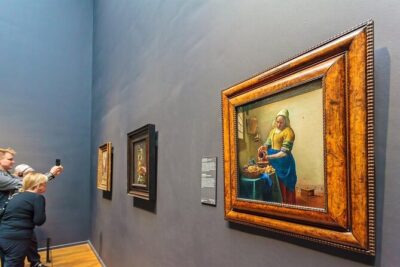
Vermeer is a good choice for discussing light, stillness, and carefully arranged interiors. His scenes may look calm, but the placement of a figure, window, object, or patch of brightness can shape the entire image. The guide points out technical choices and possible meanings that are easy to miss when you view the painting for only a few seconds.
Frans Hals offers another lesson. His portraits can feel lively and direct, with brushwork that gives faces and clothing energy. Comparing Hals with Rembrandt helps you see that the Dutch Golden Age was not one uniform style. These painters solved similar problems in different ways.
The tour also includes other major works, but the exact route can respond to your interests. If you are most interested in portraiture, domestic scenes, symbolism, or painting technique, tell the guide early. Rolf has been praised for shaping the visit around what a group wanted to see rather than forcing everyone through one rigid script.
A tour that works for families
Art tours often lose younger visitors when explanations become too formal. This one has a better chance with families because the guide uses questions and comparisons rather than delivering a long lecture.
You may be asked what you notice in a painting, how two works compare, or what you like and dislike about an artist’s style. That approach makes you look closely and form your own opinion. It also gives children and teenagers a clear job: find something, interpret it, and explain why.
Families with children around 10 to 12 have found the format engaging, and teenagers have also been included successfully. I would still describe this as a serious art tour, not a children’s entertainment program. The private setting helps because the guide can change pace and language when attention starts to fade.
Older family members can benefit too. The private group, wheelchair accessibility, and ability to focus on selected works make this easier to manage than a large group tour moving on a fixed schedule.
Price, group size, and what you actually receive
The price is $235 per group of up to two people. That means the guide fee is effectively $117.50 per person before museum admission if two people share the booking. For one person, the per-person cost is higher, and for a larger family the listed price may offer better value if the booking rules allow the full group size.
You are paying for attention and interpretation, not transportation or a museum ticket. The guide is private, speaks Dutch, English, or German, and spends two hours helping you understand the collection. That can be good value if you would otherwise wander without knowing where to focus.
It is less attractive if you enjoy exploring museums alone or want an all-day art experience. The tour does not include entry, and two hours is enough for a sharp overview rather than a complete examination of the Rijksmuseum.
If you plan to visit several museums and use public transport, check the Amsterdam Card. The supplied information says it includes unlimited museum access and public transport, including the train from the airport to central Amsterdam and trams around town. Compare its total cost with the tickets and transport you already plan to buy.
Making the two hours count
I would arrive with one or two interests in mind. You might want to understand Rembrandt’s use of light, learn how to spot symbolism in domestic scenes, or compare Vermeer and Hals. A private guide can respond better when you give some direction.
Wear comfortable shoes and avoid scheduling another fixed activity immediately afterward. The tour itself lasts two hours, but crowds and the need to find the meeting point can make the start less relaxed. If you want to continue looking at the museum afterward, leave extra time rather than treating the guided portion as your entire visit.
Do not expect every famous work to appear. The strength of this experience is selection and explanation. You will get more from a few paintings discussed properly than from racing through a checklist.
The tour has flexible cancellation up to 24 hours in advance for a full refund, and you can reserve now and pay later. The booking is valid for one day, with starting times depending on availability.
Who should book this Rijksmuseum experience?
I would choose it if you want a personal introduction to Dutch painting, especially if art museums sometimes feel difficult to navigate. It is also a strong fit for couples, families, multigenerational groups, and anyone who wants to ask questions without worrying about holding up strangers.
The guide’s teaching style is a major part of the value. Rolf Schreuder is described as energetic, warm, and able to connect art history with current-day comparisons. Another guide, Isabel, handled one family visit and was praised for clear explanations and thoughtful pacing. Guide availability can vary, so treat those names as examples rather than a guarantee.
I would hesitate if your main goal is a long, unhurried museum day, or if you already know the Dutch Masters well and prefer independent study. Crowds can slow the visit, and one tour felt pressed for time at the end.
Should you book it?
Book this private Rijksmuseum tour if you want the major Dutch painters explained in human terms, with room to ask questions and change the emphasis. The strongest reasons are the private setting, the attention to technique and symbolism, and the guide’s ability to make the art work for both adults and children.
Before you commit, budget separately for museum admission and make a clear plan for finding the indoor meeting point. Arrive on time, tell the guide what interests you, and keep your expectations focused on a two-hour highlights visit. Done that way, the $235 fee buys more than a quick look at The Night Watch. It gives you a practical method for seeing the rest of the museum on your own.
FAQ
How long does the Rijksmuseum private tour last?
The guided tour lasts two hours. The booking is valid for one day, with available starting times shown during the booking process.
Is the Rijksmuseum entrance ticket included?
No. Museum admission is not included. You must enter the museum before meeting your guide inside.
Where do I meet the guide?
Meet inside the museum after entering. The meeting point is about 10 meters to the right of the round information counter, beside a small sign marked meeting point.
How much does the private tour cost?
The price is $235 per group of up to two people. The museum entrance ticket is an additional cost.
Which languages are available?
The tour is offered in Dutch, English, and German.
Is the tour private?
Yes. It is arranged as a private group experience rather than a shared group tour.
Is the tour wheelchair accessible?
Yes, the activity is listed as wheelchair accessible. A guide has also arranged a wheelchair for an older participant during a previous visit.
Can I cancel the booking?
Yes. You can cancel up to 24 hours in advance for a full refund.
Can I reserve now and pay later?
Yes. The reserve now and pay later option lets you book without paying anything immediately.
Newest Amsterdam write-ups
- Zaanse Schans: Half-Day Private Guided Tour★ 5.0 · 4 reviews
- Zaanse Schans: Private Cruise + Live Guide, Optional Drinks★ 4.7 · 26 reviews
- Zaanse Schans: Wooden Shoe Painting Workshop★ 4.9 · 23 reviews
- Amsterdam: Private Zaanse Schans Windmills and Volendam Trip★ 4.9 · 31 reviews
- Zaanse Schans: Pancake Restaurant Visit★ 4.5 · 26 reviews
- Amsterdam: Zaanse Schans E-Bike Tour with Windmills & Cheese★ 4.5 · 12 reviews
- Zaandam: Paint a Perfect Portrait workshop★ 5.0 · 5 reviews
- Volendam: Stroopwafel Experience with Tasting★ 3.6 · 93 reviews
Rijksmuseum Tickets, compared.
Rijksmuseum Amsterdam Small-Group Tour with Private Upgrade
Read our review →
Rijksmuseum Entry Ticket and Canal Cruise Combo
Read our review →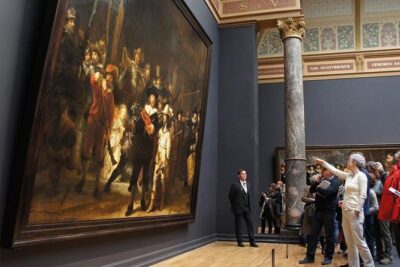
Rijksmuseum Amsterdam Exclusive Guided Tour w/ Reserved Entry
Read our review →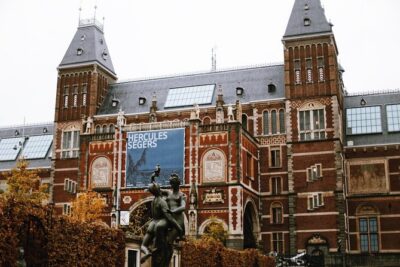
Van Gogh & Rijksmuseum w/ Reserved Entry Semi-Private 8ppl Max
Read our review →
Van Gogh & Rijksmuseum w/ Reserved Entry Exclusive Guided Tour
Read our review →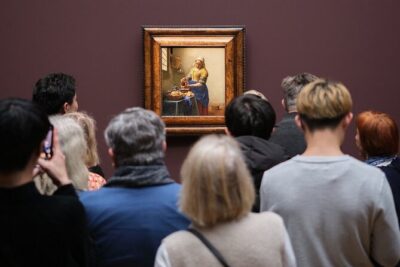
Browse the lists this tour appears in