
Reviewed · ANNE FRANK WALKING TOURS
Amsterdam: Private Anne Frank and Jewish Quarter Tour
Amsterdam’s Jewish Quarter tells two stories at once: the long life of a Jewish community and the terrible rupture caused by Nazi occupation. This two-hour private walk connects those stories through memorials, synagogues, old streets, and the places tied to Anne Frank’s life. Guides such as Aaron and James are praised for making difficult material clear, interactive, and respectful.
I like the way the tour looks beyond Anne Frank alone. You’ll learn about the original Jewish Quarter, the wartime resistance, Anne’s family, and how Otto Frank helped bring her diary to the world. I also like the route’s strong memorial focus, especially the Auschwitz Monument, the National Holocaust Names Monument, and the Dokwerker statue.
The main point to understand before booking is simple: Anne Frank House admission is not included. The walk ends near the house, rather than taking you inside, so you’ll need a separate ticket if you want to visit the hiding place itself. Two hours also means the stops are introductions, not long museum visits.
Key points before you book
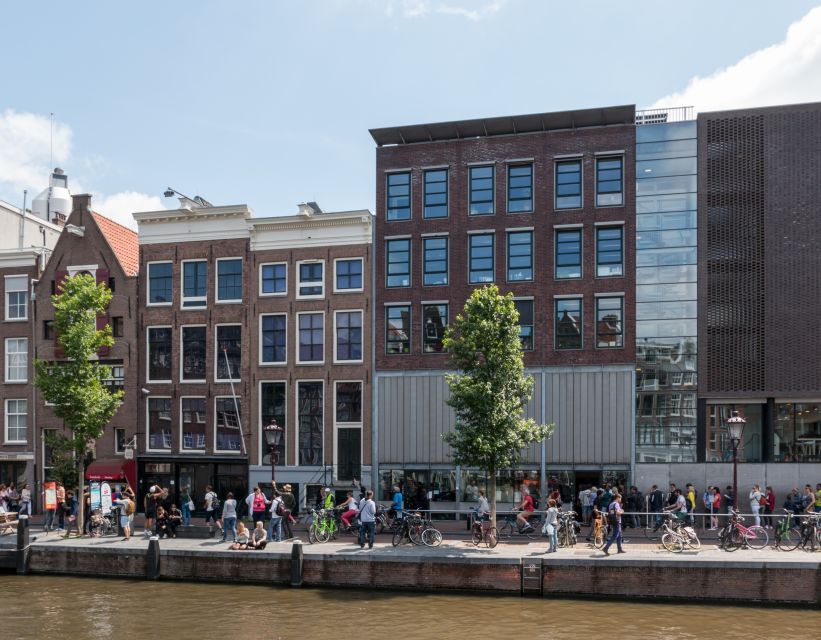
- Anne Frank’s story is placed in its wider setting: Learn about her family, move from Germany, love of writing, time in hiding, and Otto Frank’s life after the war.
- The route covers major Jewish Quarter sites: Expect the Portuguese Synagogue, Jewish Historical Museum, Zuiderkerk, Auschwitz Monument, Dokwerker, and National Holocaust Names Monument.
- The tone is serious but human: Guides such as Aaron, James, Andrea, and Jyry use questions, stories, and occasional humor without treating the subject lightly.
- This is a walking introduction, not a museum tour: Each listed stop receives about 15 minutes, enough for orientation and explanation but not an extended visit inside.
- The finish is near the Anne Frank House: You see where the story leads, but entry tickets must be arranged separately.
- Private format adds flexibility: A private or small-group booking can make it easier to ask questions and adjust the pace.
Walking into Amsterdam’s Jewish Quarter
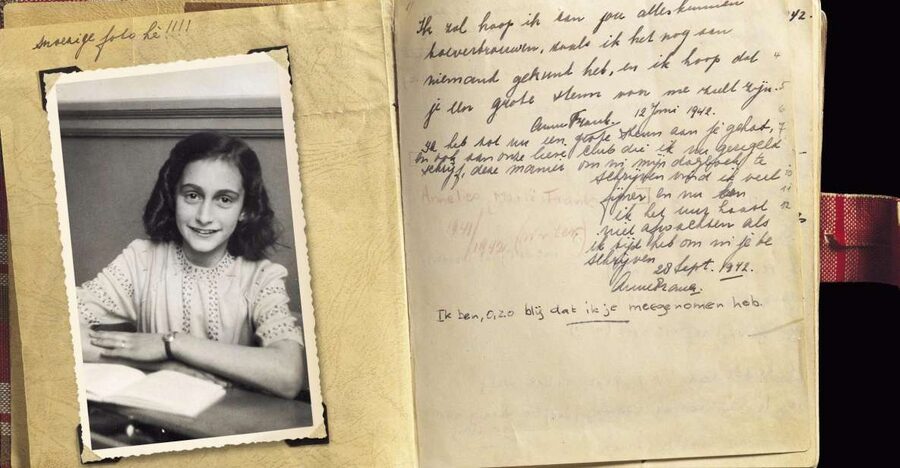
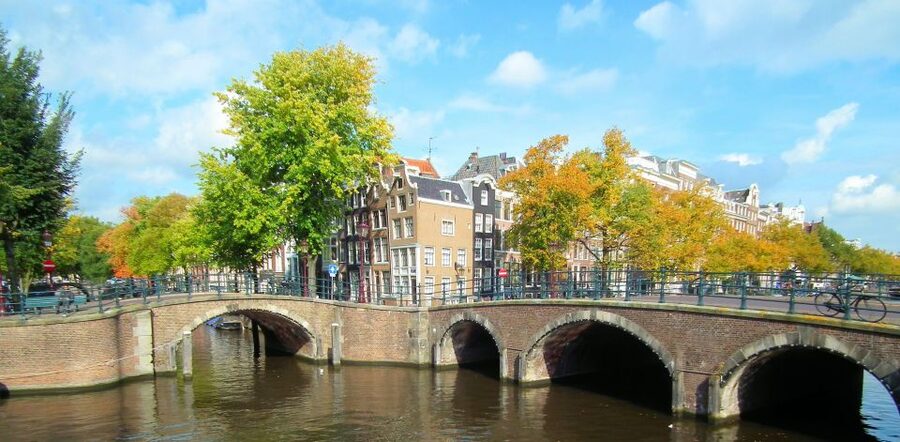
Meet your guide at the Hermitage pier, directly in front of the main entrance to the H’ART Museum beside the Amstel River. This is a useful starting point because it puts you near the eastern side of central Amsterdam, close to the old Jewish Quarter and the first historic streets on the route.
The walk begins around Nieuwmarkt and Lastage, where your guide sets the geographic and historical scene. You’ll hear how Amsterdam’s Jewish Quarter developed and changed over the centuries, rather than jumping straight into Anne Frank’s wartime story.
That broader opening matters. Anne Frank lived in another part of Amsterdam, but her story makes more sense when you understand the city’s Jewish neighborhoods, institutions, religious life, and wartime destruction. The guide uses the streets themselves as a map, helping you picture a community that once had homes, schools, businesses, synagogues, and meeting places here.
The first portion is also a good test of the tour’s style. The guide may ask questions, invite guesses, or connect a building to a larger event. Several guides, including Aaron and Jyry, are praised for making the walk interactive rather than delivering a nonstop lecture.
More Anne Frank walking tours:
- Anne Frank’s Story – Guided Walking Tour through Amsterdam
★ 5.0 · 11,619 reviews - Amsterdam: Life of Anne Frank and World War II Walking Tour
★ 4.8 · 10,467 reviews - Amsterdam: Anne Frank Guided Small Group Walking Tour
★ 4.8 · 2,722 reviews
Auschwitz Monument: a quiet place for difficult facts
The Auschwitz Monument is one of the most serious stops. It memorializes Dutch Jews murdered at Auschwitz, and your guide uses the site to explain the scale of deportation and the destruction of Jewish life during the Second World War.
Do not expect this part of the tour to feel light. The strongest guides handle it with care, giving you space to take in the place while explaining what happened. James and Aaron are specifically praised for presenting painful material with compassion, clarity, and a pace suited to the group.
This is one reason a private format can be worthwhile. You can ask for more explanation, pause over a question, or keep moving if the subject feels overwhelming. The tour is not designed to sensationalize the Holocaust. Its value is in linking a physical memorial to the people and neighborhoods being discussed.
You will spend about 15 minutes here. That is enough for a thoughtful explanation, but not enough for a detailed study of every element. If memorial sites are a major reason for your visit, treat this walk as a starting point for later visits to museums and memorials.
Portuguese Synagogue and the life of a community

The Portuguese Synagogue offers a different mood. Its presence points to the centuries before the Holocaust, when Jewish communities formed an important part of Amsterdam’s religious, commercial, and cultural life.
Your guide explains the background of the original Jewish Quarter and how it evolved over time. That context keeps the tour from becoming only a story of loss. You see that Jewish Amsterdam was not created by the war and did not begin with Anne Frank. It had a long story before 1940, with its own traditions, institutions, and internal differences.
The stop is guided rather than a full admission visit. The supplied details do not promise entrance into the synagogue, so you should think of this as an exterior and historical explanation unless your guide tells you otherwise. If you want to see the interior at length, ask separately about admission and opening arrangements.
For me, this is one of the most important stops because it gives the route balance. You are not simply walking from one Holocaust marker to another. You are learning what existed, what was damaged, and why preserving memory involves more than recounting wartime events.
Zuiderkerk and the changing city around it
Zuiderkerk, or the South Church, adds another layer to the walk. The church is not a Jewish site, but its place in the old city helps your guide explain how Amsterdam’s neighborhoods fit together.
This is the sort of stop you could easily pass without understanding. A guide can use the building and nearby streets to discuss the city’s urban growth, the relationship between different communities, and the physical setting in which Jewish life developed.
The itinerary allows about 15 minutes here. You will get an explanation rather than a full architectural tour. That is useful if you are new to Amsterdam’s eastern center, though visitors who want detailed church history may find the time short.
The route works best when you pay attention to the transitions between stops. Amsterdam can look picturesque and ordinary on the surface, with canals, old brick buildings, and busy streets. The guide’s job is to show you the human stories attached to those familiar views.
More Jewish Quarter and museum tours:
- Anne Frank Walking Tour Amsterdam Including Jewish Cultural Quarter
★ 5.0 · 1,879 reviews - Anne Frank and Jewish Quarter Amsterdam Private Walking Tour
★ 5.0 · 684 reviews - Amsterdam: Anne Frank and Jewish Quarter Tour
★ 4.7 · 434 reviews - Amsterdam: Anne Frank and Jewish Quarter Walking Tour (TOP RATED)
★ 4.5 · 430 reviews
Jewish Historical Museum: an essential reference point
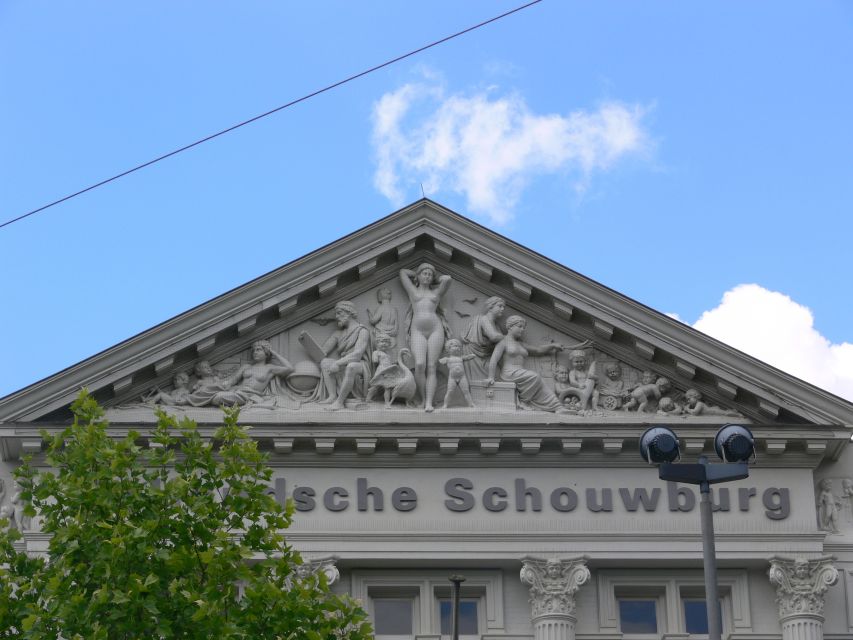
The Jewish Historical Museum gives the tour a clear cultural anchor. Its name now relates to the National Holocaust Museum, but the guided route identifies it as the Jewish Historical Museum. Your guide uses the area to explain Jewish life in Amsterdam, including the institutions and community structures that existed before the war.
Again, this is not described as a museum admission visit. You are being introduced to the site and its importance during the walk. If you want exhibitions, objects, and extended displays, you should plan a separate museum visit.
The museum stop is especially useful for first-time visitors because it supplies context that a narrow Anne Frank tour can miss. You learn about a community rather than only one famous family. That makes the later discussion of persecution more personal and more accurate.
At around 15 minutes, the stop is brief. I would take note of the museum and consider returning later if you want more time with the subject. The guide can also offer suggestions for other museums and activities in Amsterdam, something Rebecca and Dianna specifically valued during their tours.
The Dokwerker and the courage of protest
The Dokwerker is a statue connected with the February Strike of 1941, when workers in Amsterdam protested against the persecution and deportation of Jewish people. Your guide explains why this monument matters and places it within the wider story of Dutch resistance.
This stop adds an important point: the wartime story was not only about victims and occupiers. It also involved people who resisted, protested, hid others, or tried to help under dangerous conditions. The guide may also discuss hidden places connected to resistance work, as the tour description promises.
Keep your expectations realistic. The walk does not provide a full study of the Dutch resistance, and the exact hiding places shown can depend on the route and the guide. Still, the Dokwerker gives you a concrete place to discuss public protest and private courage.
The subject can be heavy, but good presentation matters. The guides praised most highly, including Aaron, James, and Andrea, are described as patient, warm, and willing to answer questions. That personal approach is useful here, since the history includes difficult moral choices rather than simple heroes and villains.
National Holocaust Names Monument: remembering individuals
The National Holocaust Names Monument is another major memorial on the route. Its purpose is personal and direct: names put individual lives at the center of remembrance.
Your guide explains the monument and connects it to the wider history of Amsterdam’s Jewish population during the occupation. After hearing about numbers, deportations, and wartime policy, seeing names brings the subject back to individual people and families.
This is likely to be one of the most emotionally demanding portions of the walk. The guide’s tone matters greatly, and the strongest feedback emphasizes sensitivity, respect, and an ability to adjust the pace when circumstances at a site change.
You will have about 15 minutes here. That is enough to understand the memorial’s role, but you may want to return on your own if you need more time. The short format gives you an overview of several places, but it does not allow long periods of silent reflection at every memorial.
Anne Frank’s story, beyond the diary
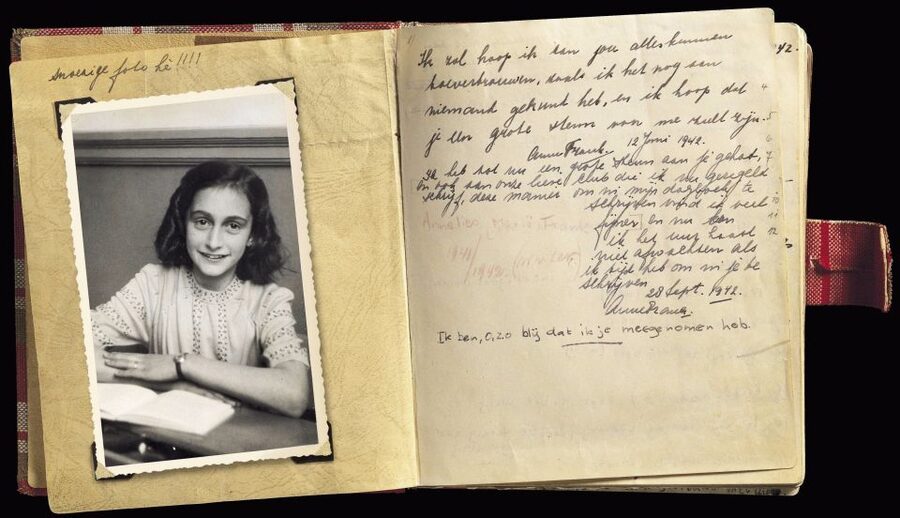
The Anne Frank portion of the walk centers on her family and the circumstances of her life in Amsterdam during the 1930s and 1940s. You learn about the family’s move from Germany, Anne’s interest in writing, her relationships within the family, and the period when she was hiding.
The guide also explains how Otto Frank survived the war, how he published Anne’s diary, and how the book grew into a work read around the world. This is a valuable part of the experience because the diary is often treated as if it appeared fully formed. The publishing story shows the role Otto Frank played in preserving Anne’s words and shaping the book’s public life.
You may also hear about Anne’s hiding place and other places connected with refuge during the Dutch resistance. The exact amount of detail depends on the guide and the time available. The walk is not a replacement for reading the diary or visiting the Anne Frank House, but it can help you approach both with a fuller sense of the family and the city around them.
The tour ends at the Anne Frank House area. That gives the route a natural emotional and geographic finish, but remember that the house itself is not part of the booking. You need a separate entrance ticket, and nothing in the supplied details promises access through this tour.
How the guides handle a serious subject
Guide quality is especially important on a Holocaust and Anne Frank tour. The strongest names associated with this experience include Aaron, James, Andrea, Jyry, Joshua, and Pedro Tapia.
Aaron is repeatedly described as engaging, funny, and able to explain history through questions and vivid detail. James is praised for his command of the Second World War, his considerate manner, and his ability to answer detailed questions. Andrea is described as patient and helpful, while Jyry and Joshua are noted for making the walk interactive.
The style can vary by guide, which is normal for a private or small-group activity. You may receive more discussion, more anecdotes, or a different balance of humor and solemn reflection. That flexibility is generally a benefit, but anyone seeking a highly fixed script should know that the experience depends on the person leading it.
The best comments focus on three qualities: clear explanations, sensitivity, and willingness to answer questions. A serious subject does not need to be cold or academic. It does need care, and this tour seems strongest when the guide treats you as part of a conversation rather than an audience sitting through a lecture.
What two hours can and cannot cover
The schedule divides the walk into roughly eight sections of about 15 minutes each, including the opening and return to the Hermitage pier. That is an efficient plan, but it also tells you what kind of experience this is.
You can expect:
- A guided introduction to the old Jewish Quarter
- Several memorial and cultural sites
- Anne Frank’s family story and publishing history
- Explanations of wartime persecution and resistance
- Time for questions during a private or small-group walk
- A finish near the Anne Frank House
You should not expect:
- Entry to the Anne Frank House
- Long interior visits at each museum or religious building
- Food, drinks, or a meal break
- A full-day study of Amsterdam’s Jewish history
I think the two-hour length works well as an arrival-day activity or as a serious introduction before visiting museums. It also leaves time for the Anne Frank House if you have a separate ticket. If you want extended museum time, add another half day rather than expecting this walk to do everything.
Is the $25 price good value?
At $25 per person, the price is modest for a private or small-group walking tour, especially when a local guide is included. The value depends on what you want from the visit.
You are paying for interpretation, route planning, and the chance to ask questions at several significant sites. You are not paying for museum admission, food, drinks, or entry to the Anne Frank House. That distinction matters when you set your total budget.
For a private booking, the value improves if you care about personal attention or have a family group with different levels of knowledge. You can ask about Anne’s family, Dutch resistance, religious sites, or the memorials without worrying about holding up a large crowd.
For a small group, the price is still fair if you want a quick orientation. If you already know Amsterdam’s Jewish Quarter well and plan to visit the museums independently, the walk may feel less essential. But for a first visit, the route links places that can seem scattered when seen without context.
Free cancellation up to 24 hours before the start and the option to reserve without paying immediately make planning easier. Availability and start times vary, so check those details before you commit.
Who should book this walk?
I would recommend it to first-time visitors who want a serious introduction to Amsterdam’s Jewish history and Anne Frank’s life. It suits adults, families with older children, and anyone who prefers learning through streets and memorials rather than spending two hours indoors.
It is also a good choice if you have already read Anne Frank’s diary but want more information about her family, Otto Frank, the Jewish Quarter, and the city’s wartime setting. The tour connects the personal story to places and institutions beyond the Secret Annex.
A private booking makes particular sense if someone in your group needs a slower pace or wants to ask many questions. One booking specifically praised the guide for adapting the tour to the needs of a sister and niece.
I would be more cautious if you want a long, museum-heavy experience or guaranteed entrance to the Anne Frank House. In that case, book the house separately and treat this walk as preparation rather than the main event.
Practical details for a smoother visit
Wear comfortable shoes. This is a walking route through central Amsterdam, with several stops and transitions between them. The meeting point is the Hermitage pier at H’ART Museum, beside the Amstel River, so give yourself enough time to find the correct entrance area.
The tour is offered in English, Dutch, and Spanish. Private and small-group options are available. Since the subject is emotionally serious, think about your group’s age and attention span before booking.
You may want to read or reread Anne Frank’s diary before the walk. You do not need specialist knowledge, but a little preparation will help you connect Anne’s writing, family life, and hiding years with the places discussed.
Also plan your Anne Frank House visit carefully. This walking tour ends at the house but does not include admission, so do not assume you can simply continue inside.
Should you book the Anne Frank and Jewish Quarter Tour?
Book it if you want a guided historical framework, not just a quick photo stop at the Anne Frank House. The strongest part is the combination of Anne’s personal story with the older Jewish Quarter, religious sites, resistance history, and memorials.
At $25, it offers a practical way to see several important places in two hours, with a guide who can answer questions and adjust the conversation. Aaron, James, Andrea, and the other named guides bring different personalities, but the praised strengths are consistent: clear explanations, care with difficult material, and a willingness to make the walk personal.
Skip it if you only want to enter the Anne Frank House or spend extended time inside museums. For everyone else, especially first-time visitors, this is a thoughtful introduction that helps Amsterdam’s streets speak more clearly.
FAQ
Does the tour include entry to the Anne Frank House?
No. Entrance tickets to the Anne Frank House are not included. The walking tour ends at the house area, so you need to arrange admission separately.
Where does the tour start?
Meet your guide at the Hermitage pier, directly in front of the main entrance to the H’ART Museum beside the Amstel River.
How long does the tour last?
The tour lasts two hours. The route includes several guided stops, generally planned for about 15 minutes each.
Which languages are available?
The live tour guide can conduct the experience in English, Dutch, or Spanish.
Is the tour private?
Private and small-group options are available. The booking details identify a local guide and a private tour, with small groups also offered.
What is included in the price?
The price includes a local guide and the private tour. Food, drinks, and entrance tickets to the Anne Frank House are not included.
Newest Amsterdam write-ups
- Zaanse Schans: Half-Day Private Guided Tour★ 5.0 · 4 reviews
- Zaanse Schans: Private Cruise + Live Guide, Optional Drinks★ 4.7 · 26 reviews
- Zaanse Schans: Wooden Shoe Painting Workshop★ 4.9 · 23 reviews
- Amsterdam: Private Zaanse Schans Windmills and Volendam Trip★ 4.9 · 31 reviews
- Zaanse Schans: Pancake Restaurant Visit★ 4.5 · 26 reviews
- Amsterdam: Zaanse Schans E-Bike Tour with Windmills & Cheese★ 4.5 · 12 reviews
- Zaandam: Paint a Perfect Portrait workshop★ 5.0 · 5 reviews
- Volendam: Volendams Museum Entry Ticket★ 4.4 · 14 reviews
Anne Frank Walking Tours, compared.

Anne Frank’s Story – Guided Walking Tour through Amsterdam
Read our review →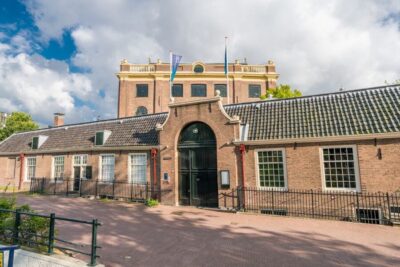
Life of Anne Frank and World War II Walking Tour
Read our review →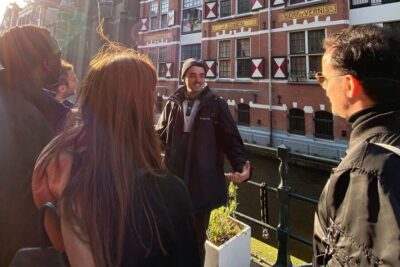

Anne Frank Walking Tour – Guided in EN/DE/IT/ES
Read our review →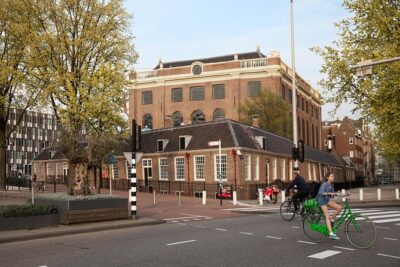
Anne Frank Walking Tour Amsterdam Including Jewish Cultural Quarter
Read our review →
Anne Frank’s Last Walk & See Anne Frank House in Virtual Reality
Read our review →
Anne Frank and Jewish Quarter Amsterdam Private Walking Tour
Read our review →
Browse the lists this tour appears in