
Reviewed · AMSTERDAM FOOD TOURS
Secret Food Tours Amsterdam
Amsterdam’s food story comes alive in the Jordaan, where narrow lanes, canals, family-run shops, and small restaurants provide the setting for this three-hour tasting tour. You move from sweet poffertjes to salty herring, fried cod, Dutch cheese, stamppot, and a surprise dish, with local history tying the stops together.
I like the small maximum group of 12, which gives you a better chance to hear your guide and ask questions. I also like the mix of food and walking: you are not parked in one restaurant, but get a look at a still-local part of Amsterdam while tasting its everyday favorites. The main drawback is that the $115 price is not cheap, and the food may feel less exciting if you already know you dislike fish, cheese, or hearty potato dishes.
Key points to know before booking
- Poffertjes start the tour: These small Dutch pancakes provide a sweet, traditional opening.
- The Jordaan is part of the experience: You walk canals and narrow streets near the Anne Frank House and Westerkerk.
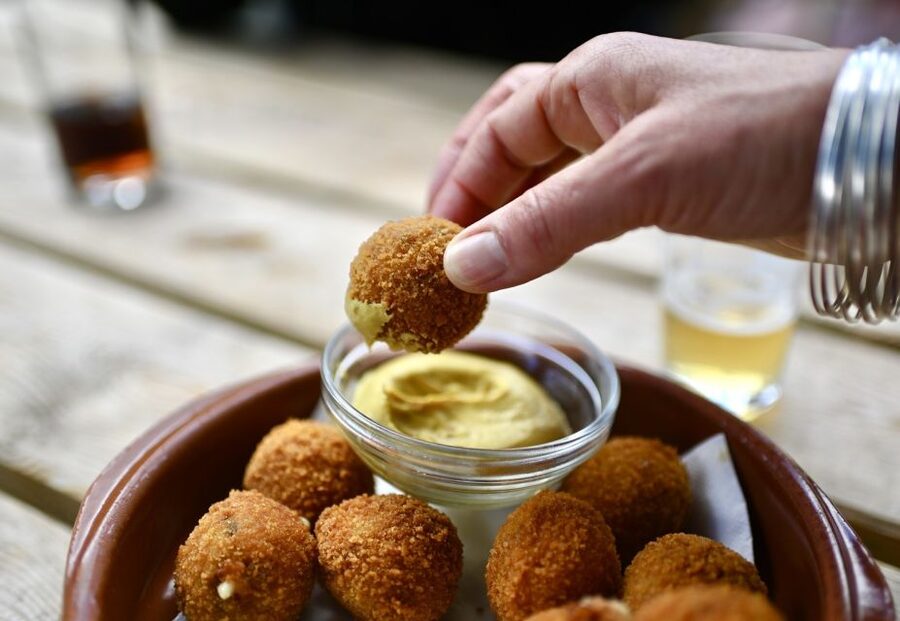
- The menu covers classic Dutch flavors: Expect stroopwafel, cheese, herring, kibbeling, stamppot, drinks, and a secret dish.
- Fish plays a major role: A local fishmonger stop includes fresh herring and battered cod pieces.
- Small groups matter: The tour allows up to 12 people, with private and small-group options available.
- Dietary needs require advance notice: Tell the company when booking so the guide can plan around them.
Why the Jordaan makes a good food-tour setting
The meeting point is in front of the Anne Frank statue near Westerkerk church. Look for the guide with an orange umbrella. From there, the tour remains mainly in the Jordaan, an area known for canals, narrow streets, and a more local feel than Amsterdam’s grand central avenues.
You are also walking through a part of the city shaped by the 17th century. The guide connects the neighborhood to early French immigration and explains why Rembrandt spent his final years here. That context gives the food more meaning. You are not simply eating a list of Dutch snacks. You are learning how migration, trade, fishing, and cold-weather cooking shaped what appears on the plate.
The walking is useful, but it also means you should wear comfortable shoes and dress for the weather. Amsterdam can be wet and windy, and the tour spends time outdoors between stops. Transportation is not included, so you make your own way to the meeting point and return there at the end.
More food tours in Amsterdam:
- 10 Tastes of Amsterdam: Food Tour by UNESCO Canals and Jordaan
★ 5.0 · 3,020 reviews - Eating Amsterdam: Food Tour & Canals Cruise
★ 5.0 · 496 reviews - Amsterdam’s Market Street Food Tour with Streat Bites
★ 5.0 · 398 reviews
Poffertjes provide a sweet Dutch opening
The first taste is poffertjes, small traditional pancakes made from a light batter. They are a sensible way to begin because they are familiar enough for almost anyone to enjoy, yet distinct from an ordinary pancake breakfast.
This stop also sets the tone for the tour. You get a Dutch specialty rather than a generic pastry, and the guide explains how the food is made and where it fits into local eating habits. If you prefer savory food early in the day, the sweet opening may feel a little out of order, but it is a classic Amsterdam taste and a pleasant introduction.
You will also sample a fresh stroopwafel from the market. A stroopwafel pairs thin baked wafers with a syrup filling, and eating one fresh gives you a better sense of the treat than buying a packaged version from a supermarket. It is the kind of small detail that makes a food tour useful: you learn what to look for later during your own time in the Netherlands.
Dutch cheese gets more than a quick sample
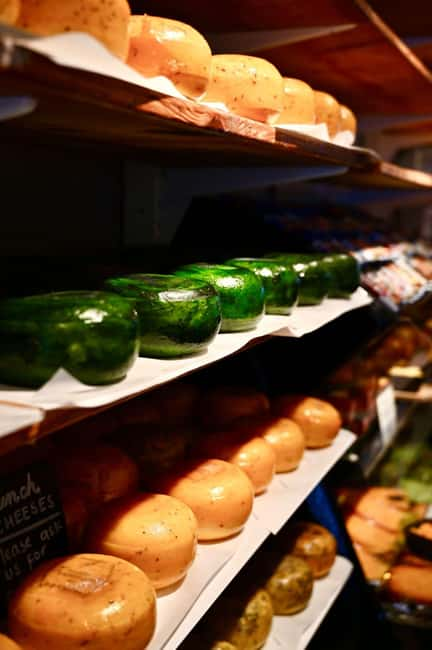
The cheese stop includes an assortment of Dutch cheeses rather than a single token bite. This matters because Dutch cheese can range from mild and creamy to firmer and more pronounced, and a selection lets you compare them.
Your guide can explain the place cheese holds in Dutch daily life and food traditions. The stop is also practical for anyone hoping to take edible souvenirs home. You can find out which styles you prefer before spending money at a market or cheese shop.
Cheese is one of the safer parts of the menu for mixed groups, since it does not require a taste for fish or heavy stew. Still, anyone with dairy restrictions should mention that when booking. The tour asks you to provide dietary requirements in advance, and one successful adjustment described by the guide team involved making the experience work for a guest with celiac disease.
Herring and kibbeling show the maritime side
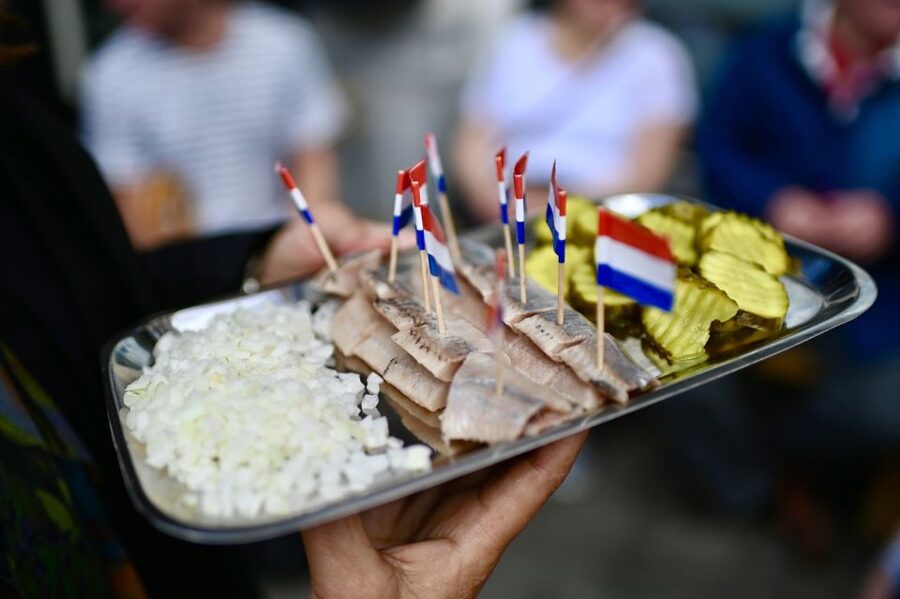
The fishmonger stop is where the tour moves from sweet snacks and dairy into two foods closely tied to Dutch coastal life. You taste fresh herring and kibbeling, battered pieces of cod.
Herring has a strong reputation in the Netherlands, and it is a useful food to try with an explanation beside it. If you have never eaten it before, the guide can give you the cultural background and help you understand why it is such a point of national pride. The flavor and texture will not suit everyone, so this is one part of the menu to consider carefully before booking.
Kibbeling is an easier entry point for many people. The pieces of cod are battered and fried, giving you a familiar crisp texture while still connecting the meal to Dutch fish-shop culture. Together, the two tastings show both ends of local seafood eating: simple fresh fish and a more approachable fried preparation.
Same city, a completely different afternoon:
- Amsterdam Classic Saloon Boat Cruise with Drinks and Cheese
★ 5.0 · 31,825 reviews - Amsterdam Luxury Canal Cruise + Unlimited Drinks & Bites option
★ 5.0 · 30,518 reviews - Amsterdam: Heineken Experience Ticket
★ 4.6 · 30,055 reviews - Amsterdam: Rijksmuseum Entry Ticket
★ 4.7 · 25,535 reviews
Stamppot brings the hearty main course
Stamppot is a traditional Dutch dish built around mashed potatoes and vegetables, often served as comfort food during the colder months. On this tour, it gives you a taste of the filling, practical side of Dutch cooking.
The dish connects to maritime and winter history, which your guide explains as you eat. That makes it different from sampling another snack. You get a sense of how the climate and working life influenced meals designed to be warm and substantial.
Stamppot may be the least exciting stop for someone looking for delicate or highly seasoned food. It is simple by design. I would see it as a useful part of the tour because it rounds out the menu. Without it, you would mostly be tasting treats, cheese, and seafood rather than a proper example of Dutch home-style cooking.
The secret dish keeps the ending open
The final mystery dish is deliberately not specified. That gives the guide room to feature something suitable to the day, the local businesses, or the group’s food needs.
A secret course can be fun, but it also means you cannot plan around it. If you have strict dietary requirements, state them clearly when booking rather than hoping the final dish will work for you. The food already includes several items that may raise concerns for people avoiding gluten, dairy, fish, or meat, so advance communication matters.
The open-ended final course also prevents the tour from feeling like a fixed checklist. You know the main foods in advance, but the last bite leaves some room for discovery.
Drinks add useful local context
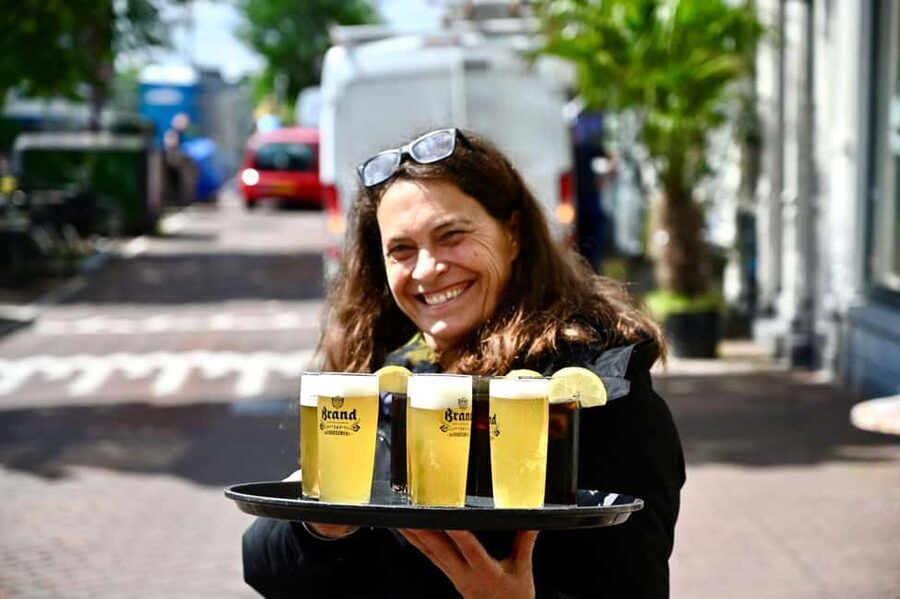
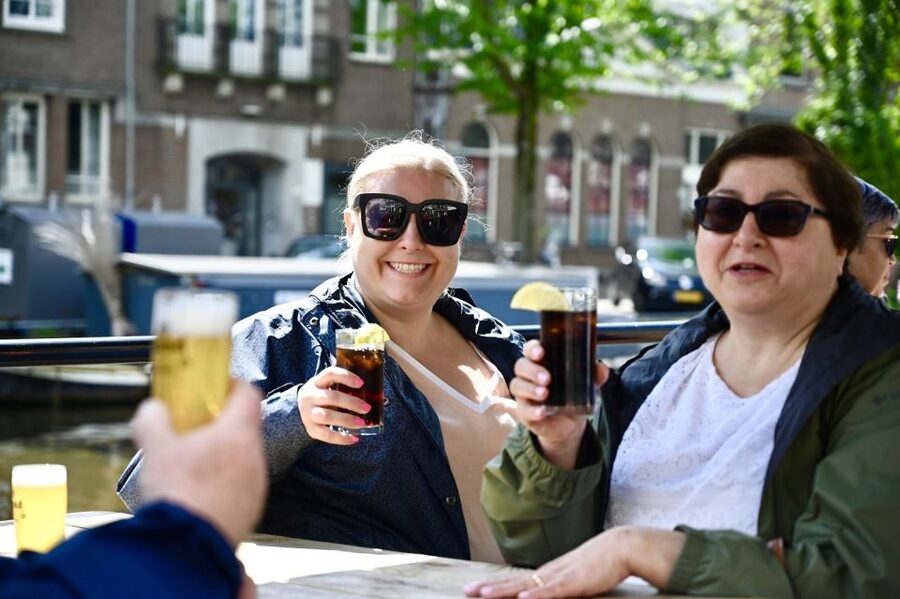
The included drinks are coffee or tea, a glass of local beer, water, and jenever, the Dutch spirit often described as Dutch gin. Non-alcoholic options are available in place of the beer.
This selection gives you a quick look at several everyday drinking traditions. Coffee or tea works well with the opening sweets. Beer adds a social stop, while jenever introduces an older Dutch spirit that you may not otherwise try during a short visit.
The alcohol tastings are included, but you do not have to choose them. If you do not drink, the stated non-alcoholic option means you can still take part without paying for something you will not use. Water is also included, which is helpful during a walking tour with multiple food stops.
What the guide adds to the food
The quality of this experience depends heavily on the guide. The tour is led in English by a local guide, and the format calls for someone who can explain not just what you are eating, but why it matters.
Holly has been praised for handling dietary restrictions so a guest with celiac disease could take part. That is a useful sign for anyone who needs food adjustments, although you should still contact the company in advance. Judith is described as a native Amsterdammer with strong familiarity with the city, which is especially valuable during the walking sections.
The guide also explains the connection between Dutch food and Amsterdam’s past. You hear about cod and herring, French influence in the Jordaan, pastries, winter stew, and the city’s maritime background. Those details help you recognize the food later instead of treating each stop as an isolated sample.
Is $115 a fair price?
At $115 per person, this is a substantial purchase for a three-hour activity. The value comes from more than the amount of food. You are paying for six tasting stops, drinks, a local English-speaking guide, neighborhood orientation, and the convenience of trying several Dutch specialties in one morning or afternoon.
The small group also improves the value. With a maximum of 12 people, you are less likely to lose the guide’s explanations in a large crowd. Private and small-group options are available, though the cost and exact arrangement should be checked when selecting your date.
I would not book this tour only to save money on lunch. A self-guided visit to markets and shops can cost less. I would book it if you want a clear introduction to Dutch food, prefer having the logistics handled, and value local explanations as much as the tasting portions.
The meal is also spread over the walking route, so do not expect one large restaurant sitting. For some people, that is the appeal. For others, especially anyone wanting a full lunch, the portions may feel like a series of samples rather than a complete meal.
Who will get the most from this tour?
This experience suits a first visit to Amsterdam, especially if you want an easy way to understand local food beyond fries and tourist-area snacks. It also works well for people who enjoy walking, asking questions, and trying foods they might not order alone.
The tour is a good fit for:
- Couples or friends who want a shared food experience
- First-time visitors seeking a practical introduction to Dutch specialties
- Small groups that prefer a personal guide
- People curious about herring, jenever, cheese, and stamppot
- Visitors staying near the Jordaan or Anne Frank House
It may be less suitable if you dislike fish, avoid dairy, want a long seated meal, or prefer to explore at your own pace. The tour covers several stops in three to three and a half hours, so the schedule is guided rather than flexible.
You should also mention dietary needs at booking. The experience can accommodate some requirements, but the planned menu includes gluten, dairy, fish, and alcoholic drinks. Do not wait until the meeting point to raise an important restriction.
Practical timing and meeting advice
The activity lasts about three hours, with some descriptions allowing three and a half hours. Starting times vary, so check availability before planning another attraction immediately afterward.
The meeting point is easy to identify: the Anne Frank statue near Westerkerk, with an orange umbrella marking the guide. The tour ends at the same place, so you can continue around the Jordaan afterward without arranging a separate ride.
There is no hotel pickup, drop-off, or transportation included. Plan your route to the meeting point in advance, arrive ready to walk, and wear shoes that can handle canalside streets and changing weather.
Free cancellation is available up to 24 hours before the tour for a full refund. You can also reserve now and pay later, which helps if your Amsterdam schedule is still shifting.
Should you book Secret Food Tours Amsterdam?
I would book it if you want a guided introduction to Dutch food with enough walking to place the dishes in their Amsterdam setting. The strongest reasons are the small group, the range of traditional foods, and the chance to taste both familiar items such as fried cod and less familiar choices such as herring and jenever.
The $115 price makes more sense for you if you value the guide’s stories and local stops. It makes less sense if you mainly want the cheapest possible meal or already know that several menu items are not for you.
For most first-time visitors who enjoy food and local history, this is a well-rounded way to spend three hours in the Jordaan. Bring comfortable shoes, arrive hungry but not ravenous, and tell the company about dietary needs before you go.
FAQ
Where does the Amsterdam food tour begin?
It begins in front of the Anne Frank statue near Westerkerk church. The guide will be holding an orange umbrella.
Where does the tour end?
The tour ends back at the meeting point near the Anne Frank statue.
How long does the food tour last?
The tour lasts about three hours, with the included information describing the duration as three to three and a half hours. Starting times vary, so check availability.
What foods are included?
Tastings include poffertjes, fresh market stroopwafel, an assortment of Dutch cheeses, kibbeling, fresh herring, traditional stamppot, and a mystery secret dish.
What drinks are included?
The tour includes coffee or tea, water, a glass of local beer, and jenever. Non-alcoholic options are available instead of beer.
Is transportation included?
No. Transportation, pickup, and drop-off services are not included.
Can I request dietary accommodations?
Yes. You should advise of dietary requirements when booking. The menu includes fish, cheese, baked items, and other foods, so advance notice is important.
How large is the group?
The standard tour has a maximum of 12 people. Private and small-group options are also available.
Newest Amsterdam write-ups
- Zaanse Schans: Half-Day Private Guided Tour★ 5.0 · 4 reviews
- Zaanse Schans: Private Cruise + Live Guide, Optional Drinks★ 4.7 · 26 reviews
- Zaanse Schans: Wooden Shoe Painting Workshop★ 4.9 · 23 reviews
- Amsterdam: Private Zaanse Schans Windmills and Volendam Trip★ 4.9 · 31 reviews
- Zaanse Schans: Pancake Restaurant Visit★ 4.5 · 26 reviews
- Amsterdam: Zaanse Schans E-Bike Tour with Windmills & Cheese★ 4.5 · 12 reviews
- Zaandam: Paint a Perfect Portrait workshop★ 5.0 · 5 reviews
- Volendam: Volendams Museum Entry Ticket★ 4.4 · 14 reviews
Amsterdam Food Tours, compared.
10 Tastes of Amsterdam: Food Tour by UNESCO Canals and Jordaan
Read our review →
Amsterdam’s Market Street Food Tour with Streat Bites
Read our review →
Amsterdam Food Tour of 10+ Local Classic Tastings in Jordaan Area
Read our review →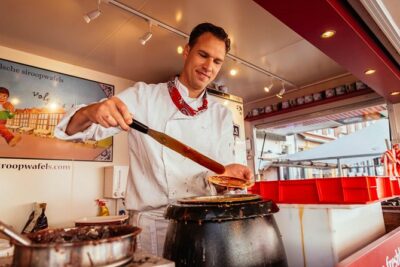
Amsterdam Private Food Tour with Local Including 6 or 10 Tastings
Read our review →
Private Amsterdam Red Light District and Food Tour (TOP RATED)
Read our review →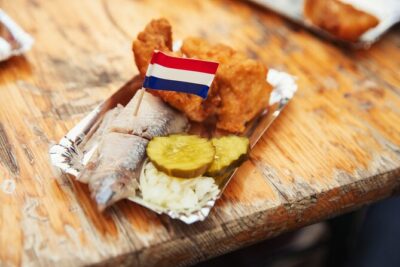
Eating Amsterdam: Albert Cuyp Market & The Pijp Food Tour
Read our review →Browse the lists this tour appears in