
Reviewed · AMSTERDAM
Amsterdam’s Hidden Facts: 750 Years of Secrets ⭐
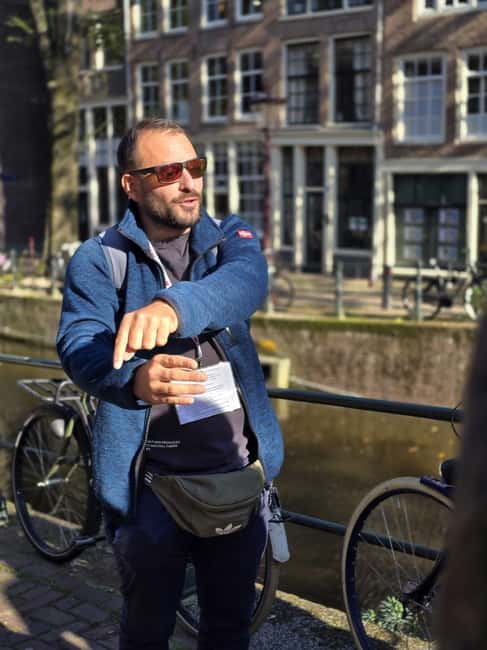
Amsterdam’s strangest facts often sit right in front of you. On this two-hour walk, Antonis connects leaning houses, muddy foundations, dams, dikes, floods, trade, liberal revolutions, and World War II into one clear story about how Amsterdam became Amsterdam. I like the small group of no more than 12 and the personal touch of a handwritten postcard with a Dutch stamp. The main consideration is that this is a walking tour built around storytelling, not a museum visit or a long list of named sights.
I also like that Antonis brings warmth and humor to subjects that could otherwise feel heavy or academic. The tour is especially useful early in your stay, though the route may be less comfortable in poor weather since it takes place outdoors and requires comfortable walking shoes.
Key facts about this Amsterdam history walk
- 750 years in two hours: The tour moves from Amsterdam’s first dam and early settlers to trade, floods, World War II, and the present day.
- Antonis leads the walk: He speaks English and Greek, with a style described as warm, attentive, humorous, and highly personal.
- Questions you will finally have answered: Expect explanations of leaning houses, the three XXX symbols, and why Amsterdam was built on mud.
- Small by design: A maximum of 12 people gives the walk a more personal feel than a large city group.
- A postcard with a purpose: You receive a handwritten postcard inspired by historic Amsterdam, complete with a Dutch stamp.
- A practical booking choice: The tour costs $28 per person, lasts two hours, and allows cancellation up to 24 hours before the start for a full refund.
Amsterdam’s story begins with water and mud
The central idea of this tour is simple: Amsterdam had to be made before it could be lived in. The city grew around a dam and a network of dikes, with residents shaping and protecting land that was not naturally easy to build on.
That gives the opening part of the walk real purpose. Instead of treating Amsterdam’s canals, streets, and old buildings as pretty scenery alone, Antonis explains the systems and choices that made the city possible. You begin to see water control as part of daily life, not just an engineering topic.
The muddy ground also helps explain one of Amsterdam’s most familiar oddities: the leaning houses. Their angles are not presented as random architectural quirks. They are part of a larger story about foundations, an expanding city, and the practical limits of building on soft ground.
This is one of the tour’s strongest features because it changes how you read the city. After hearing the explanation, you can look at an old façade and think about the ground beneath it, the water around it, and the long effort required to keep the city standing.
The tour does not promise a visit inside historic buildings or a technical engineering lesson. Its value comes from making visible the forces that shaped the streets around you.
Other Amsterdam outings people book alongside this one:
- Amsterdam Classic Saloon Boat Cruise with Drinks and Cheese
★ 5.0 · 31,825 reviews - Amsterdam Luxury Canal Cruise + Unlimited Drinks & Bites option
★ 5.0 · 30,518 reviews - Amsterdam: Heineken Experience Ticket
★ 4.6 · 30,055 reviews
From early settlement to a trading city
The next part follows Amsterdam’s growth from a small settlement into a major center of trade. The story is about expansion, but also about the habits and ideas that allowed people to live together in a difficult setting.
The walk covers the city’s early settlers, the first dam, dikes, and the commercial period often linked with Amsterdam’s Golden Age. You get a broad sense of how water control, trade, trust, and urban growth worked together.
A useful feature here is the way the tour connects physical changes to human decisions. A dam is not only a structure. It changes movement, trade, and settlement. A growing commercial city is not only about money. It also needs rules, cooperation, and systems that allow large numbers of people to share limited space.
Antonis appears to tell this material as a continuing story rather than as a lecture filled with dates. That matters on a walking tour. You are moving through a living city, so the history needs to stay connected to what you can see and where you are standing.
If you prefer a detailed chronology with every ruler, building date, and political shift, this may feel selective. The promise is a collection of defining facts and memorable connections, not a full academic survey of Dutch history.
Still, the two-hour length is well suited to the subject. You get enough context to understand Amsterdam’s growth without spending an entire day on one historical theme.
Why the three XXX symbols matter
The tour also tackles one of Amsterdam’s most recognizable symbols: the three XXX marks. This is exactly the kind of question that makes a city walk worthwhile. You may pass the symbols repeatedly, but a guide can give them a place in the city’s larger story.
The same is true of the leaning houses. These are not obscure details hidden in a museum case. They are part of the street view. Antonis uses such familiar features as starting points, then links them to broader themes such as religion, civic identity, urban design, and local tradition.
That approach gives the walk a useful rhythm. You are not simply standing still while someone recites facts. You are looking around, asking why something appears as it does, and then hearing the background that makes it more memorable.
The experience description also promises many strange-but-true facts. That makes the tour a good match for you if your favorite city discoveries begin with questions such as Wait, what? It is less suited to someone who wants a quiet walk with only occasional commentary.
There is also a limit to any tour built around surprises. A large number of facts can blur together if you try to remember all of them. Bring a camera and pay attention to the ideas that help you understand the city, rather than trying to collect every detail.
Floods, resilience, and the systems that protect Amsterdam
Amsterdam’s story includes serious danger as well as trade and design. Floods shaped the city, and the walk explains the systems that helped residents respond to that threat.
The subject gives the tour a practical edge. Amsterdam is often presented through canals and historic façades, but those features exist within a place that has had to manage water for centuries. The discussion of floods shows how survival depended on shared work and long-term planning.
This is also where the themes of trust and resilience become clearer. The tour presents Amsterdam as a city shaped by people who had to cooperate, maintain defenses, and make room for different ways of living. The historical focus is not limited to famous individuals. It includes the systems and decisions that affected the city as a whole.
You should expect the flood material to be delivered as part of a wider walking narrative. The available details do not identify a particular flood site, monument, or museum stop, so it is best not to book this expecting a specialist water-management tour. You will hear how floods and protective systems fit into Amsterdam’s development.
For me, this is one of the most useful parts for first-time visitors. It gives you a better frame for understanding why water is so central to Amsterdam and why the city’s design cannot be separated from its environment.
Same city, a completely different afternoon:
- Amsterdam: Rijksmuseum Entry Ticket
★ 4.7 · 25,535 reviews - Amsterdam: Classic Boat Cruise with Optional Cheese & Wine
★ 4.6 · 22,925 reviews - Amsterdam: Evening Cruise with Optional Wine and Snacks
★ 4.4 · 19,696 reviews - Amsterdam: 75 Minute City Canal Cruise with Audio Guide
★ 4.4 · 17,501 reviews
Religion, liberal ideas, and Amsterdam’s changing identity
The tour also moves beyond construction and commerce into social change. It covers old religions, liberal revolutions, and the radical ideas that helped shape Amsterdam’s identity.
That subject is important because the city’s reputation for openness did not appear overnight. The walk places that reputation within a longer story of conflict, change, and adaptation. You hear about defining moments rather than receiving a simple claim that Amsterdam has always been liberal.
Antonis’s warmth and humor should work well here. Topics involving religion and political change can become dry when they are presented as a list of movements. A guide who connects them to real people and city life can make the material easier to follow.
The tour is not described as a specialist political or religious history walk, so you should expect a broad introduction. It is designed to show how major ideas affected the city and its people, not to settle every historical question.
I especially like this balance. Amsterdam’s identity is presented as something made over time, with tensions and turning points, rather than as a ready-made brand. That gives the city more depth without requiring you to commit to a full-day history course.
World War II and the city’s hardest chapter
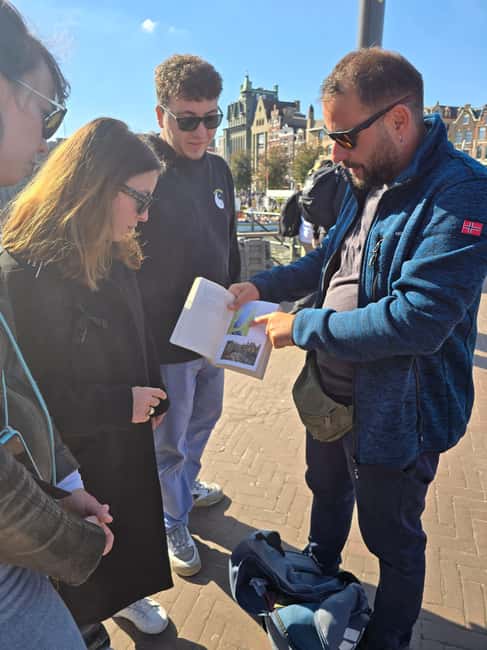
World War II forms another important part of the walk. Its inclusion helps keep the tour from becoming only a celebration of trade, tolerance, and urban ingenuity.
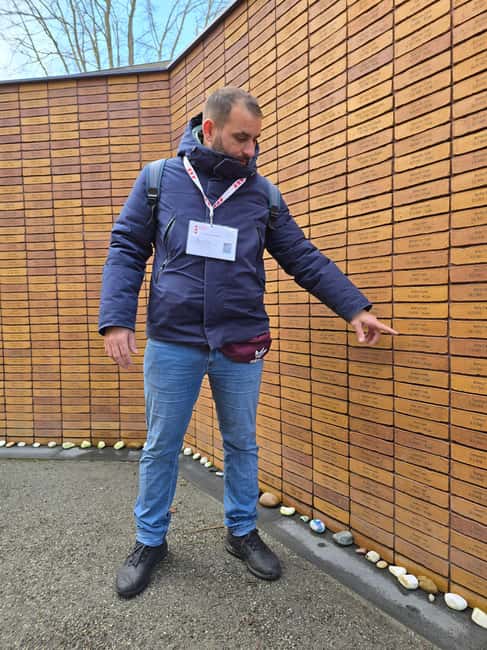
You will hear about the war as one of the defining moments in Amsterdam’s modern story. The available details do not specify a particular memorial or building visit, so the focus is likely on the historical events and their place in the city’s development.
This portion may change the tone of the walk. The tour promises humor and warmth, but that does not mean every subject is light. A good city history needs room for loss and difficult memory as well as clever facts and amusing details.
If you want a dedicated World War II tour with extensive memorial visits, this two-hour experience may not provide enough time. If you want the war placed within a much longer account of Amsterdam, it gives you useful context without making the entire walk about one period.
The overall structure appears to move from the city’s earliest foundations through growth, social change, and modern history. That broad sweep is a strong choice for a short introduction.
Antonis and the feel of a 12-person group
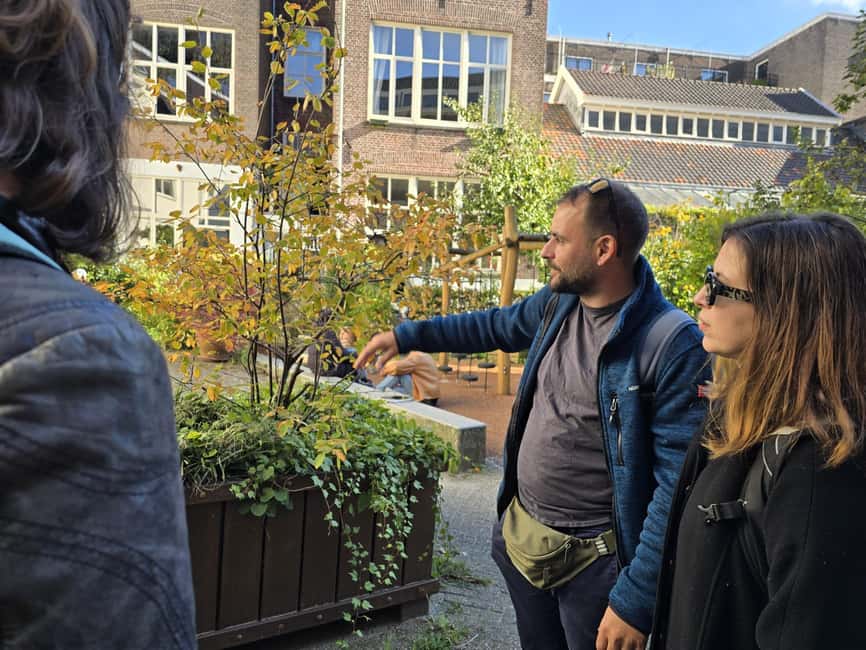
The guide can make or break a history walk, and Antonis is a central part of this experience. He leads in English and Greek, and the tour description presents him as attentive, warm, funny, and deeply interested in Amsterdam.
One useful detail is that he did not cancel when a solo participant was the only person booked. That suggests a personal approach and may reassure you if you are traveling alone. It also fits the small-group promise better than a tour that depends on a large crowd.
With a maximum of 12 people, you should have a better chance to hear the guide and ask questions than you would in a large group. The format is also more social without being too crowded. Couples, friends, and solo visitors can all fit comfortably into the setup.
The guide’s personal connection to Amsterdam is another plus. He is described as having affection for his adopted city, which can bring more feeling to the stories than a strictly scripted presentation.
There is no promise of audio equipment, umbrellas, or shelter. The group meets in front of the Bull and returns to the same meeting point, so you should arrive ready to walk outdoors for the full two hours.
The postcard is a small but thoughtful extra
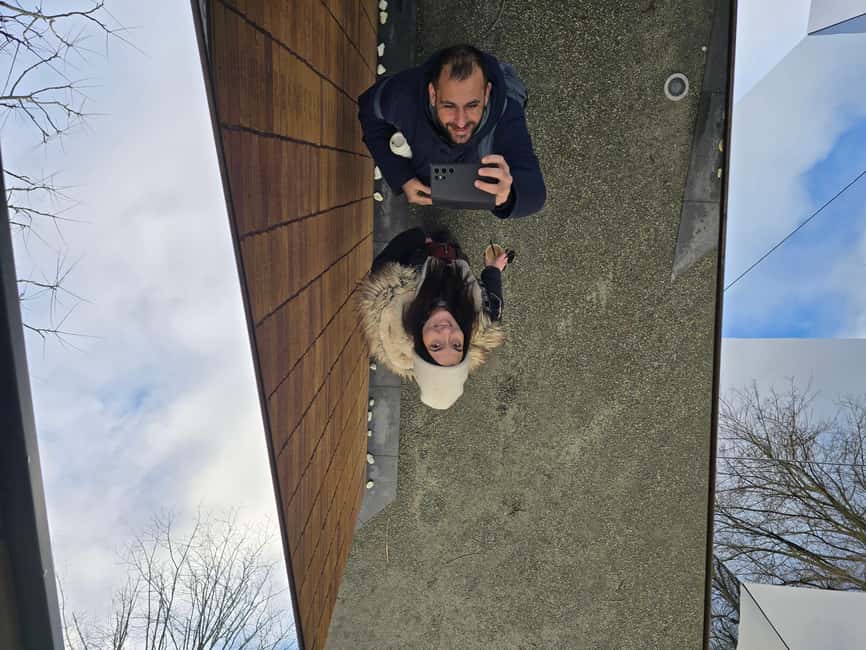
At the end, or during the walk, you receive a handwritten postcard with a Dutch stamp. It is inspired by historic Amsterdam and can be sent or kept.
The postcard is not a major financial benefit, but it adds character. Many walking tours end when the guide says goodbye. Here, you leave with a physical reminder tied to the city and the story you have just heard.
You can also think of it as a practical souvenir. A postcard takes little room in your bag, and the Dutch stamp makes it more useful than a generic printed handout. If you enjoy small local details, this will appeal to you.
Do not book the tour solely for the postcard. The main value remains the guide’s storytelling, small group, and broad historical coverage. The card simply gives the experience a more personal finish.
Is $28 a fair price for two hours?
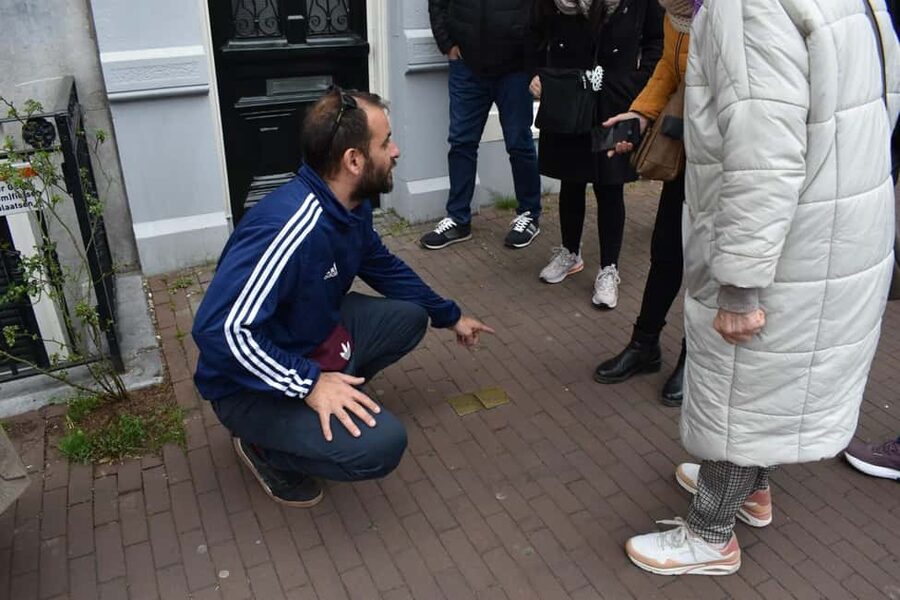
At $28 per person, the tour sits in a reasonable range for a two-hour guided city walk, particularly with a maximum group size of 12 and a professional guide. You are paying for interpretation and access to a connected story, not for admission to a museum or transportation.
The value is strongest if you are curious about how Amsterdam works. You get explanations of the dam, dikes, mud, leaning houses, XXX symbols, floods, trade, liberal change, and World War II in one compact experience.
The value is weaker if you want a long route packed with major attractions, interior visits, or a formal historical lecture. No hotel pickup, drop-off, food, or attraction admission is included. You meet at the Bull and finish there.
The option to reserve now and pay later gives you some flexibility. You can also cancel up to 24 hours in advance for a full refund, which is useful when your Amsterdam plans are still shifting.
Who will enjoy this walk most?
I would choose this tour for you if you like asking why a city looks and behaves the way it does. It suits solo visitors, couples, friends, and anyone who enjoys memorable facts more than a standard checklist of sights.
It is also a good first-day or early-stay activity. The broad story can help you understand later visits to canals, museums, churches, historic buildings, and other parts of the city.
You should bring comfortable shoes, water, a camera, and clothing suited to the weather. The tour is outdoors, and the information specifically advises against video recording. You can take photos, but you should be prepared to listen rather than record the entire walk.
People who want a slow, quiet stroll may find the steady storytelling too much. Likewise, serious history specialists may want a more focused subject. For most curious visitors, though, the mix of big events and odd details should make the two hours pass quickly.
Should you book Amsterdam’s Hidden Facts?
Book it if you want a compact, human introduction to Amsterdam that explains more than what you can see at street level. Antonis, the 12-person limit, and the handwritten postcard give the walk a personal feel, while the subject range covers the city’s foundations, trade, floods, social ideas, and wartime past.
Skip it if you want museum entry, transport, or a highly specialized tour focused on one period. Otherwise, $28 is a fair price for a thoughtful two-hour orientation, especially if you enjoy leaving a city with a head full of useful facts and a few good questions.
FAQ
How long does the Amsterdam Hidden Facts tour last?
The walking tour lasts two hours.
How much does the tour cost?
The price is $28 per person.
Where does the tour start?
The meeting point is in front of the Bull.
Where does the tour finish?
The activity ends back at the meeting point.
Who guides the tour?
Antonis is the named local guide. A professional guide leads the experience.
Which languages are available?
The tour is available in English and Greek.
How many people can join the group?
The group has a maximum of 12 people.
What is included with the booking?
The booking includes the two-hour storytelling tour, a professional guide, and a handwritten Amsterdam postcard with a Dutch stamp.
Newest Amsterdam write-ups
- Amsterdam: Self-Guided Food Tour in De Jordaan Neighbourhood★ 3.4 · 10 reviews
- Amsterdam: Self-Guided Food Tour in De Pijp Neighbourhood★ 3.7 · 20 reviews
- Amsterdam: Sex, Drugs, and Freedom Walking Tour★ 4.6 · 74 reviews
- Amsterdam Light Festival Boat Cruise★ 5.0 · 3 reviews
- Amsterdam: ARTIS-Groote Museum Entry Ticket★ 4.2 · 21 reviews
- Amsterdam: Treasure Hunt Walking Tour “A Secret Sender”★ 4.7 · 71 reviews
- Amsterdam: Roller Dreams & Amsterdam Nightlife Experience★ 3.7 · 3 reviews
- Amsterdam: Royal Concertgebouw Orchestra Concert Ticket★ 4.7 · 11 reviews