Reviewed · TICKETS
Amsterdam: The ‘Hollandsche Manege’ Stables Entry Ticket
Amsterdam’s Hollandsche Manege is more than an old building with horses inside. It is a working riding school founded in 1744, where polished floors, tall columns, antique saddles, and daily lessons all share the same space. I like the unusual mix of living activity and museum history, and I like that you can see the stables rather than only admire a display behind glass.
I also appreciate the chance to watch the horses’ daily routines and perhaps pet or feed them, depending on what is happening during your visit. The main drawback is simple: if you want a long guided tour or a major Amsterdam attraction packed with sights, this may feel small. Some people may find it a worthwhile hour, while others may consider $18 steep for a compact visit.
Key points before you go
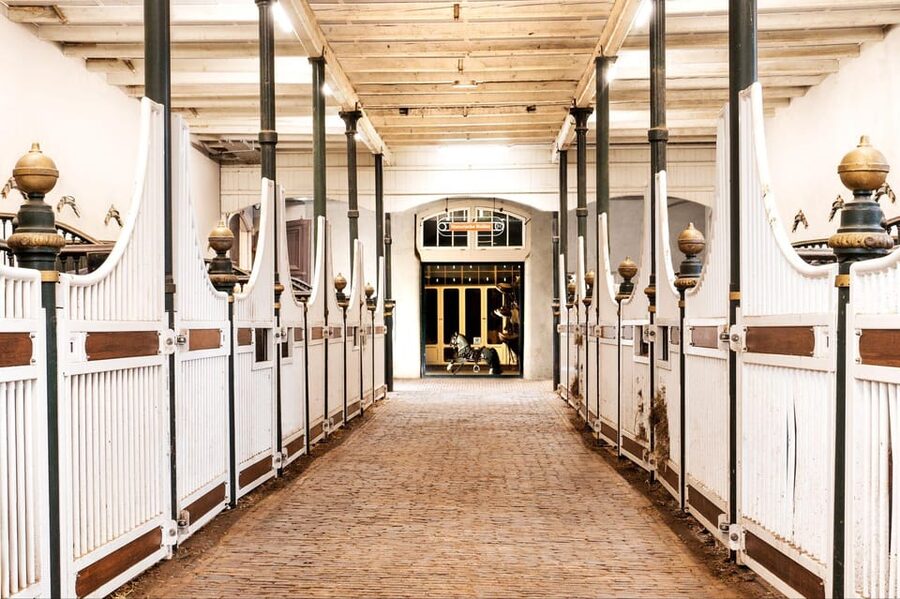
- Founded in 1744: You are visiting a working Dutch riding school with centuries of equestrian history.
- Classical interior: Arches, columns, polished floors, and riding areas give the venue its old-world character.
- Museum displays: Antique saddles, riding equipment, photographs, and information about Dutch horsemanship fill out the visit.
- Living stables: You can see the horses in their working home, not just in a historical exhibit.
- Live lessons included: Riding lessons add movement and sound to what could otherwise be a quiet museum visit.
- Good for a short stop: The visit can work well as an hour-long break from Amsterdam’s larger attractions, though the $18 price deserves a little thought.
Entering a 1744 Amsterdam riding school
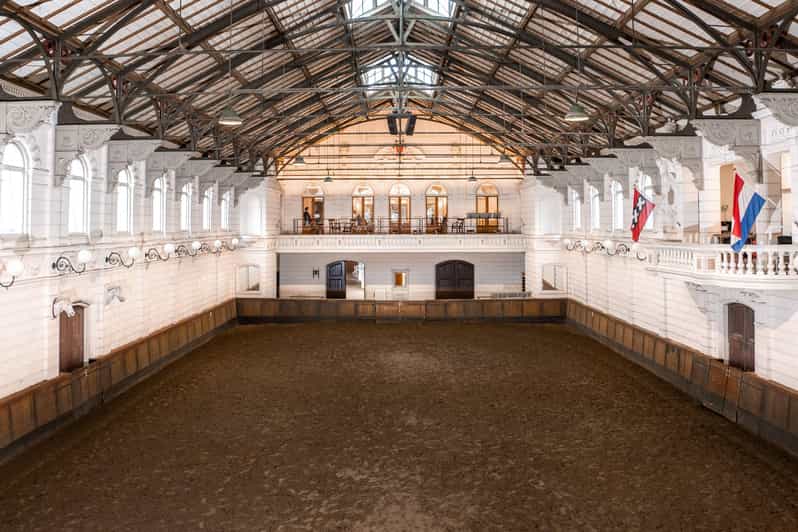
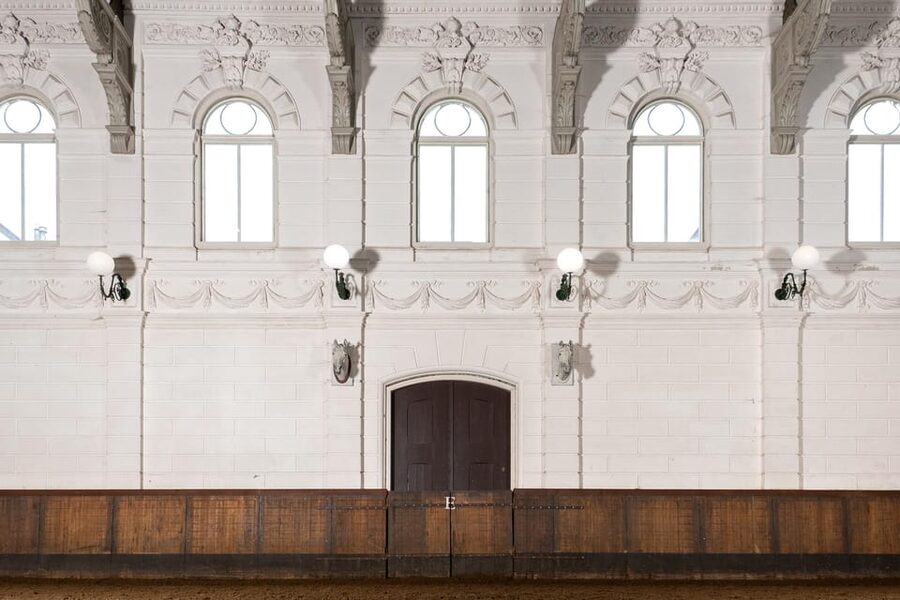
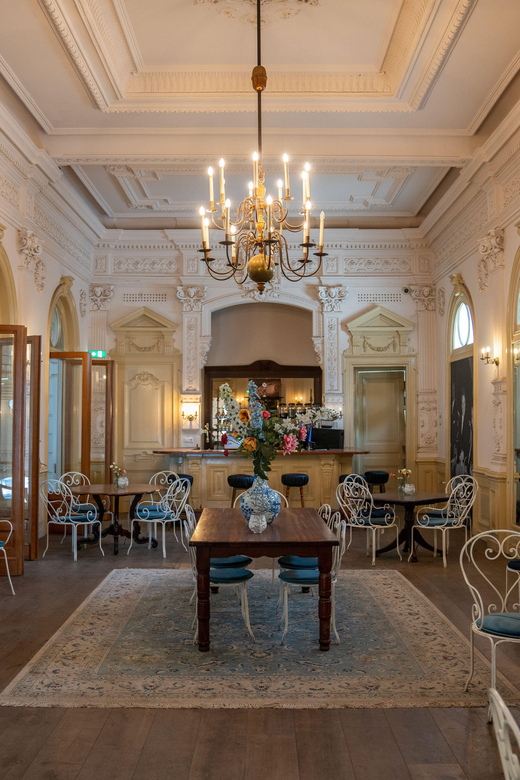
The first surprise is the setting. You enter through large doors into a place that feels much older than the modern city outside. The Hollandsche Manege was founded in 1744, and its age is not simply a date on a wall. The building’s arches, columns, and riding spaces give you a clear sense of a long tradition of formal horsemanship.
I like attractions that still perform their original job. Here, the horses and riders are not added as decoration for tourists. The riding school continues to function, so you may hear hoofbeats, see a lesson underway, and watch people working with the horses in the same setting that has served equestrians for generations.
The architecture is the main reason to pay attention as you arrive. Look upward and around you rather than rushing toward the horses. The classical details create a calm, ceremonial feel, while the polished floors and open riding areas remind you that this is still a place of work.
The setting is not presented as a large palace or grand public museum. That is part of its appeal and part of its limitation. You receive a concentrated look at Dutch riding culture, not a full day of sightseeing.
A few more Amsterdam tours and tickets worth comparing
- Amsterdam: Heineken Experience Ticket
★ 4.6 · 30,055 reviews - Amsterdam: Rijksmuseum Entry Ticket
★ 4.7 · 25,535 reviews - Amsterdam: Icebar Entry Ticket with 3 Drinks
★ 4.2 · 14,562 reviews
What you see inside the historic halls
Your ticket provides access to the entire venue, including the stables, museum areas, and live lessons. There is no separate decision at the door about which parts to skip. You can move between the historic displays and the working areas at your own pace during the valid day.
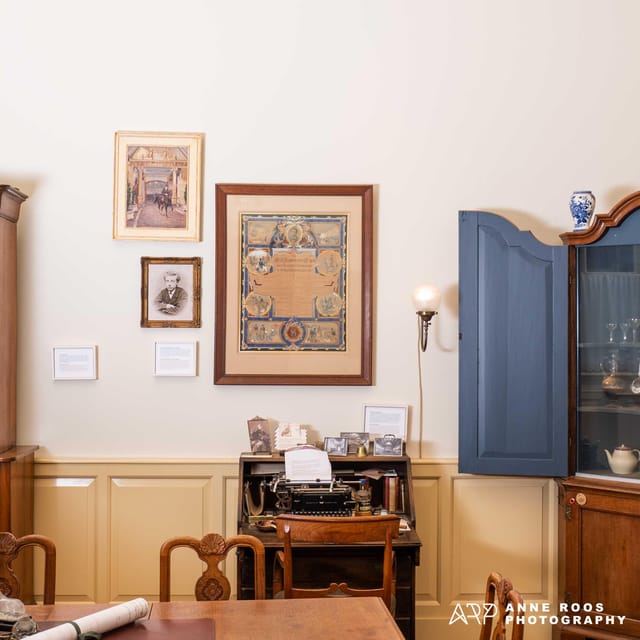
The museum material focuses on the riding school and Dutch horsemanship. You will find antique saddles, older riding gear, and photographs that show how the institution and its riders changed over time. These objects are useful because they make the story physical. A saddle worn smooth by use can tell you more about riding practice than a long paragraph of dates.
The photographs help connect the building to the people and horses who used it. This is not just a collection of handsome old objects. The displays explain a relationship between Dutch society and horses, including the role of particular Dutch breeds in the country’s cultural life.
I would not expect a large museum with room after room of exhibits. The appeal lies in the setting and the combination of displays with real activity. If you enjoy small museums where the building is part of the story, you will probably get more from this visit than someone looking for a long sequence of formal galleries.
Take your time with the details. Notice the difference between equipment made for practical use and objects preserved because of their age. The museum gives you a reason to look closely at the horses and riders you see later in the stable and lesson areas.
Meeting the horses in the working stables
The stables are the most personal part of the visit. Instead of seeing horses only as symbols of Dutch tradition, you can observe them as animals with daily routines. Their presence gives the old building a sense of life that a museum alone could not provide.
The stable visit is also where the experience becomes less predictable. Horses may be resting, being cared for, or preparing for a lesson. You cannot expect every visit to follow the same pattern, and that is worth remembering before you arrive.
You may have a chance to pet the horses, and one recent visit included feeding them. Treat that as a possible part of the visit rather than a guaranteed scheduled activity. Follow the staff’s instructions, especially around food and touching, since these are working animals rather than a petting-zoo attraction.
For families, this can be the strongest reason to come. Children who have little interest in old photographs may pay close attention when they can see the horses at close range. Adults who enjoy animals will also appreciate seeing where the horses live and how the stable fits into the larger riding school.
The experience is not suitable for people with animal allergies. That warning matters here. The horses are not kept at a distance, and the indoor stable setting may expose you to dander, hay, or other common stable allergens.
Watching a live riding lesson
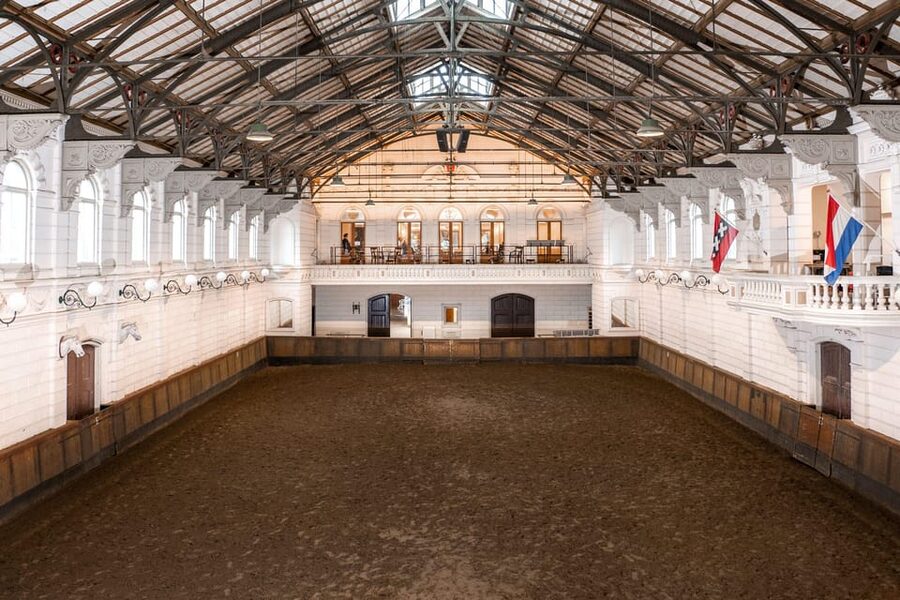
Live lessons are included with admission, adding an important layer to the visit. You are not only looking at a historic school after hours. You can see riding instruction taking place in the same venue, which helps explain why the building remains relevant.
A lesson also gives the space a different mood. The museum displays are quiet and reflective. A riding session brings hoofbeats, movement, commands, and concentration. The contrast helps you understand the building as a functioning institution rather than a preserved shell.
The timing matters. The activity is valid for one day, but the available starting times should be checked before booking. Since lessons are part of the working schedule, your visit may be more rewarding if it lines up with live riding rather than arriving during a quiet period.
Do not expect a staged performance. The lesson is part of the school’s normal work, and that makes it interesting, but it also means the action may be modest. You may watch instruction rather than a polished show. For me, that is a plus, because it keeps the visit connected to real horsemanship.
If you know little about riding, focus on the relationship between rider and horse. The point is not only to watch a horse move around a hall. You are seeing communication, control, balance, and routine in practice.
Same city, a completely different afternoon:
- Amsterdam Classic Saloon Boat Cruise with Drinks and Cheese
★ 5.0 · 31,825 reviews - Amsterdam Luxury Canal Cruise + Unlimited Drinks & Bites option
★ 5.0 · 30,518 reviews - Amsterdam: Classic Boat Cruise with Optional Cheese & Wine
★ 4.6 · 22,925 reviews - Amsterdam: Evening Cruise with Optional Wine and Snacks
★ 4.4 · 19,696 reviews
Why the building matters as much as the exhibits
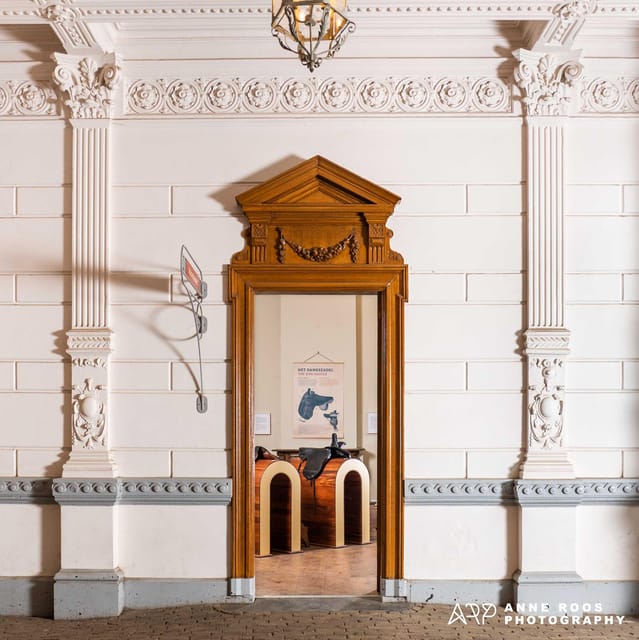
The architecture gives this visit its sense of place. Graceful arches and stately columns frame the riding areas, while the old surfaces show the wear of repeated use. You get the formal character associated with a classical riding school without losing the practical signs of a working stable.
This is a good place to slow down. Amsterdam has plenty of attractions that reward a fast checklist approach, but the Hollandsche Manege works better when you spend a few minutes noticing how the rooms connect. The building, museum objects, horses, and lessons all explain one another.
The 1744 foundation date also changes how you read the displays. Antique equipment is not random decoration. It belongs to a long chain of riding practices, social customs, and Dutch connections with horses. The building gives that material a setting with real meaning.
I would especially recommend looking at the contrast between the elegant public spaces and the practical stable areas. The venue brings ceremony and everyday care together. That contrast is the central idea of the visit.
Still, keep your expectations in check. The experience is not a full survey of Dutch history, and it does not offer a broad range of unrelated exhibits. Its focus is narrow by design: one riding school, its horses, its building, and its place in Dutch horsemanship.
Is $18 a fair price?
At $18 per person, the value depends on what you want from an Amsterdam stop. You receive access to the full venue, the stables, museum displays, and live lessons for one day. That is a reasonable package if you care about architecture, horses, or unusual local institutions.
The price is less attractive if you see the visit as a quick look at a few horses. The venue is compact, and some people may finish in about an hour. In that case, the ticket costs more than a casual stop at a public square or free church interior.
I would judge the price by the quality of the subject, not by the number of rooms. A small working institution can offer more character than a large attraction designed for crowds. The Hollandsche Manege gives you access to a place that still has a purpose, and the live lesson makes the ticket more than a museum admission.
The best value comes when you combine several elements: spend time with the architecture, read the museum displays, visit the stables, and watch a lesson. If you walk in, take a quick photo, and leave, the cost will feel harder to justify.
The private-group format may appeal to people who prefer a less crowded arrangement, though the available information does not specify the exact group size or how the format affects the visit. Dutch and English assistance is available.
Who will enjoy this Amsterdam stop?
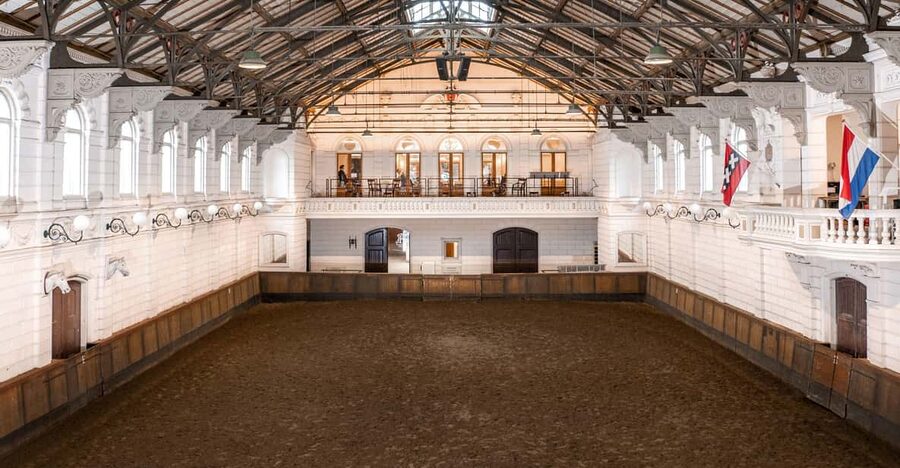
I would suggest the Hollandsche Manege to several kinds of visitors:
- Horse lovers: The stables and daily routines are the heart of the experience.
- Architecture fans: The classical arches, columns, and old riding spaces reward careful looking.
- Families: Children may connect quickly with the horses, especially if petting or feeding is possible during the visit.
- Repeat visitors to Amsterdam: The riding school offers a different subject from the city’s usual canals, museums, and churches.
- Short-stop planners: An hour can be enough to see the main spaces, though you should allow more time if you want to read everything and watch a lesson.
- People interested in local traditions: The museum explains how horses and Dutch culture have been connected over time.
It may not suit you if you dislike animal smells, have allergies, or want a highly structured tour with a guide speaking throughout. It is also a weaker choice for anyone expecting a large attraction with many rooms and a full day of activities.
The venue is wheelchair accessible, which makes it easier for more visitors to consider. Smoking indoors is not allowed, and alcohol and drugs are prohibited.
Practical planning for a smoother visit
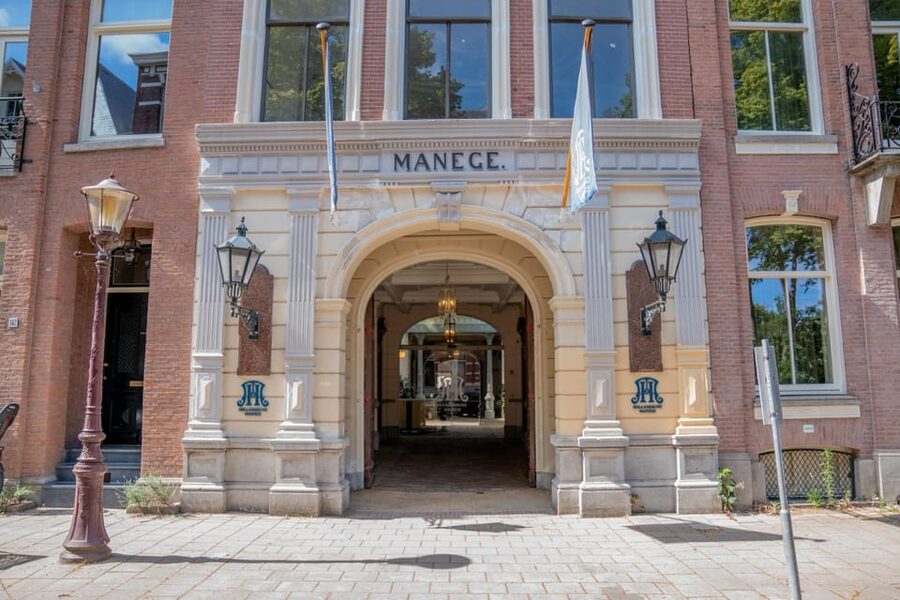
Go to the large doors at the specified address. The entrance is part of the experience, so take a moment to identify the formal entry rather than assuming you are looking for a standard museum ticket booth.
Check the available starting times before you book. The ticket is valid for one day, but the schedule matters if you want to catch a live lesson. Arriving at a time with active riding may give the visit more energy than arriving during a quiet interval.
Wear something comfortable for standing and walking through the venue. No special clothing is stated as required, but this is a stable and riding school, not a formal theater. The atmosphere is practical even when the architecture feels grand.
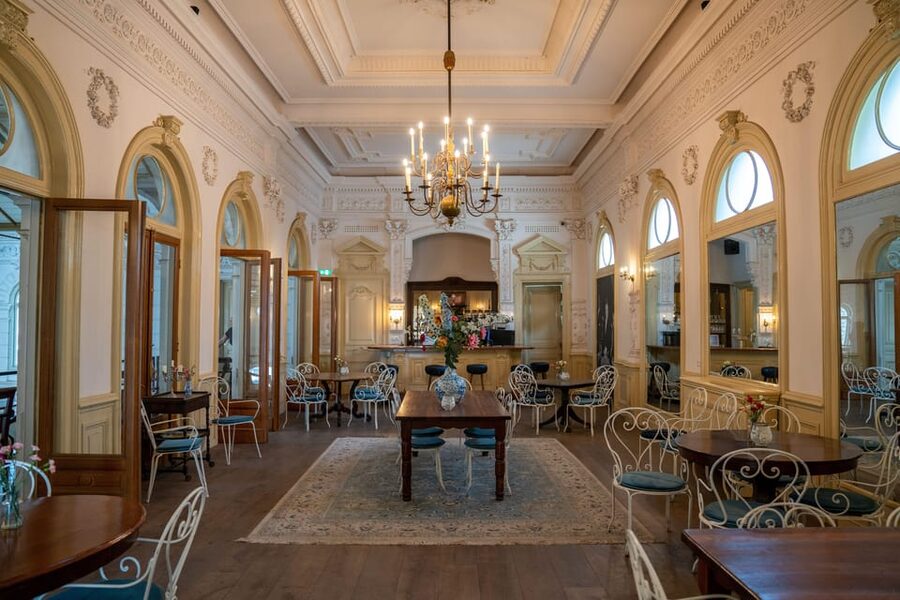
There is a drink available in the foyer for an extra cost, but it is not included in the ticket. Plan to buy it there only if you want a short refreshment break.
The host or greeter can communicate in Dutch or English. Since the visit is not described as a long guided tour, the exhibits and the activity itself do much of the explaining. Ask questions when staff are available, but allow the horses and the working lesson to carry part of the story.
Free cancellation is available up to 24 hours before the visit, and you can reserve now and pay later. Those options are useful if your Amsterdam schedule is still moving around.
How it compares with a standard museum visit
A standard museum asks you to look at objects from a safe distance. The Hollandsche Manege adds sound, movement, smell, and live animals. That makes it more immediate, but also less controlled.
You may not see every part in perfect quiet. A lesson can interrupt your route, and horses may be the main focus of attention. For me, that is exactly why the visit works. The old equipment gains meaning when you can see the riding school still operating.
The trade-off is scale. You will not get the same volume of material as at a major Amsterdam museum. You get a focused look at one institution instead, with the benefit of being inside the actual working setting.
The experience also has a more personal feel than a large attraction. You can observe stable routines and, if conditions allow, interact gently with the horses. That connection is likely to be more memorable than another room of framed objects.
Final decision: should you book the Hollandsche Manege?
Book it if you like horses, historic buildings, and small cultural attractions with a real working purpose. The combination of a 1744 riding school, museum displays, stables, and live lessons gives you several ways to enjoy the visit, and the chance to pet or feed a horse may be a welcome extra.
Think twice if you want a large museum, a long guided program, or guaranteed action at every moment. At $18, the ticket is best value when you take your time and watch a lesson, not when you treat it as a five-minute photo stop.
For most suitable visitors, I would plan roughly an hour and keep the schedule flexible enough to see the horses and a live lesson. If that sounds appealing, the Hollandsche Manege is a distinctive Amsterdam stop that offers a close look at Dutch horsemanship without requiring a full day.
FAQ
Where is the Hollandsche Manege?
It is in Amsterdam, in North Holland, Netherlands. Enter through the large doors at the specified address.
How much does admission cost?
The listed price is $18 per person.
What does the ticket include?
Admission includes access to the Hollandsche Manege, the entire venue, the stables, and live lessons.
Is the ticket valid for a full day?
Yes. The ticket is valid for one day, with available starting times shown when you check availability.
Is the Hollandsche Manege wheelchair accessible?
Yes, the activity is listed as wheelchair accessible.
Can I visit if I have an animal allergy?
The experience is not suitable for people with animal allergies because it includes access to the stables and horses.
Newest Amsterdam write-ups
- Amsterdam: Red Light District Walking Tour★ 4.9 · 11 reviews
- Amsterdam: Explore Pass with Over 35 Attractions★ 3.1 · 45 reviews
- Deluxe Tickets for the RijksMuseum★ 5.0 · 3 reviews
- From Amsterdam: Day Trip to Efteling Theme Park with Ticket★ 5.0 · 3 reviews
- Volendam: E-Fatbike Rental★ 4.4 · 26 reviews
- Historic Amsterdam 2-Hour Private Tour with Local Guide★ 4.9 · 53 reviews
- Amsterdam Cruise Discovery Tour★ 3.7 · 6 reviews
- Marken, Volendam and Edam: Private Full-Day Tour★ 4.6 · 18 reviews
Tickets, compared.

Keukenhof Ticket and Roundtrip Shuttle Transfer
Read our review →