
Reviewed · AMSTERDAM CITY HIGHLIGHTS TOURS
Amsterdam: Cultural Highlights in English/German/Italian
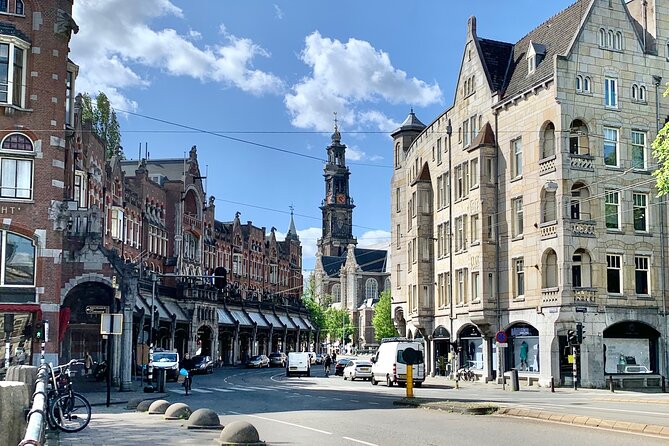
Amsterdam’s past unfolds in a compact walk here, from the city’s founding at Dam Square to colonial-era debates, Jewish history, LGBTQ+ rights, and the quiet corners around Spui. You get a useful first look at Amsterdam without paying separate admission fees or dealing with traffic.
I like the small group limit of 15 and the way the route mixes major sights with practical advice for the rest of your stay. I also like that guides such as Deborah, Josh, Justus, Marina, Stephanie, and Noeme have made the experience personal, answering questions and adjusting the walk when a group’s interests call for it.
The main consideration is pace. Two hours covers about 3 to 4 kilometers, and there is plenty to hear at each stop. The walk does not include the Anne Frank House, the coffee shop, or the interior of the Red Light District, so you should see this as an orientation tour, not a full visit to Amsterdam’s headline attractions.
Key points to know before booking
- Amsterdam’s story in one compact walk: Follow the city center from the National Monument to Spui, with stops tied to trade, religion, monarchy, war, colonialism, and social change.
- Small groups make questions easier: The maximum of 15 people gives the guide room to explain details and respond to individual interests.
- Practical tips are part of the value: You receive suggestions for food, shopping in the 9 Streets, and lesser-known places to explore later.
- No entrance tickets are needed: Every scheduled stop can be visited free of charge, though the tour generally views the sites from outside.
- Language needs checking: The experience is described as available in English, German, and Italian, while the additional information specifies German. Confirm your selected language before booking.
- Plan for an outdoor walk: Wear comfortable shoes, carry water, and bring a hat in hot weather.
A useful first walk through Amsterdam’s old center
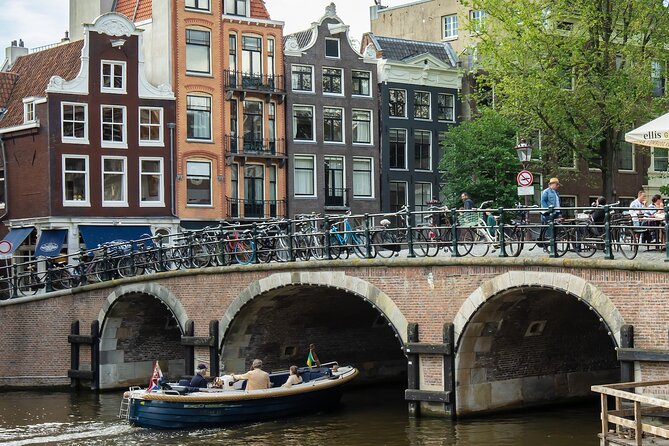
This is a city orientation walk with a strong historical thread. You begin at the National Monument on Dam Square and finish at Spui, passing through some of the most important parts of central Amsterdam.
The route works because the sights are close together. You are not spending half the tour on public transport. Instead, the guide links streets, buildings, statues, and squares into one story while you walk at the pace of the group.
I find this format most useful at the start of a visit. You can ask where to eat, what to see next, and which parts of the center deserve more time. The guides also offer advice for after the tour, particularly around the 9 Streets and the Begijnhof.
The cost is $33.88 per person. That is a fair price for a two-hour, small-group introduction, especially since there are no separate admission costs during the walk. The value depends on what you want. If you prefer museums, interiors, and long time at each sight, you will need other visits. If you want context and a clear map of the old center, this delivers more.
More highlights tours in Amsterdam:
- Amsterdam: Hidden Gems & Highlights Guided Bike Tour
★ 4.8 · 1,404 reviews - Amsterdam Highlights Bike or E-Bike Tour
★ 5.0 · 1,171 reviews - Amsterdam Highlights Walking Tour: Small Group Experience
★ 5.0 · 1,132 reviews
Starting at the National Monument and Dam Square

The meeting point is the National Monument, at Dam, 1012 JS Amsterdam. This is a practical place to begin because it sits in the heart of central Amsterdam and is close to public transportation.
The first five minutes establish where the tour starts. Then the guide spends about 15 minutes at Dam Square, explaining how Amsterdam began, how the city developed, and the role of the old town house, now the Royal Palace.
Dam Square can feel crowded and visually noisy, so having a guide point out the important buildings helps. You are not simply looking at a large open plaza. You are learning why this spot became the center of civic and royal life.
The stop is also a good test of the guide’s style. The strongest guides, including those praised for clear explanations and memorable anecdotes, make the setting easier to read without burying you in dates.
The Golden Era at Beurs van Berlage
From Dam Square, the walk continues to Beurs van Berlage. The stop lasts about 15 minutes and focuses on how Amsterdam became one of the world’s wealthiest cities during the Golden Era.
This is an important part of the route because Amsterdam’s wealth did not appear by accident. Trade, finance, shipping, and international connections shaped the city’s buildings and social order. The Beurs van Berlage gives the guide a concrete place to discuss that growth.
I like this stop because it helps connect Amsterdam’s pretty streets with the harder workings of commerce. You get a clearer idea of why the city’s center looks the way it does and why trade remains central to its identity.
The tour keeps the visit outside and does not include admission fees. That keeps the price down, but you should not expect an extended architectural visit inside the building.
Nieuwe Kerk, Magna Plaza, and the changing city center
The five-minute stop at Nieuwe Kerk introduces the church’s role in Amsterdam’s development. Its location beside Dam Square makes it an easy addition to the route, and the guide uses it to explain how religious and civic life shaped the center.
You then pass Magna Plaza, the former post office. The stop is brief, about five minutes, but the building gives you a chance to see how an older public function has found a new use.
These shorter stops are less about a full visit and more about learning how to notice Amsterdam. A guide can point out why a building matters before you continue walking. If you like detailed architecture, you may want to return later and spend more time on your own.
Same city, a completely different afternoon:
- Amsterdam Classic Saloon Boat Cruise with Drinks and Cheese
★ 5.0 · 31,825 reviews - Amsterdam Luxury Canal Cruise + Unlimited Drinks & Bites option
★ 5.0 · 30,518 reviews - Amsterdam: Heineken Experience Ticket
★ 4.6 · 30,055 reviews - Amsterdam: Rijksmuseum Entry Ticket
★ 4.7 · 25,535 reviews
Multatuli and Amsterdam’s colonial past
The 10-minute stop at the Statue of Multatuli brings a more difficult subject into the walk: Amsterdam’s colonial era.
The guide connects Multatuli with one of the Netherlands’ most important books and explains how the author’s work relates to colonial rule. This gives the tour a welcome shift away from royal buildings and commercial success.
I value this part because it asks you to see Amsterdam’s prosperity in full context. The city’s wealth and international power had consequences far beyond the canal district. A good explanation here can change how you understand the city’s monuments, museums, and old trading buildings later in your visit.
The stop is short, so do not expect a full seminar on colonial history. It is a concise introduction that gives you a question to carry into later sightseeing.
Westerkerk and the Jordaan connection

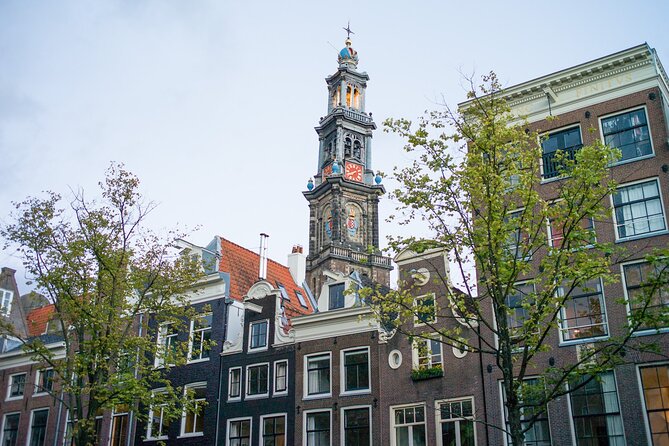
The route spends about 10 minutes at Westerkerk, described as Amsterdam’s largest church. The guide explains its historic connection with the Jordaan area, one of the city’s best-known neighborhoods.
This is one of the more atmospheric portions of the walk. The church helps anchor the story of the Jordaan, while the nearby streets show how neighborhoods can retain a distinct character beside the busy center.
You will hear about the area rather than take a long neighborhood tour. Still, this stop gives you a reason to return and walk the Jordaan at a slower pace after the organized route ends.
The group moves on foot throughout the experience. That means you can see how the city fits together instead of viewing each stop as an isolated point reached by vehicle.
Anne Frank, Jewish Amsterdam, and an important limitation
The stop at the Statue of Anne Frank lasts about 10 minutes. The guide discusses Jewish life in Amsterdam and how Anne Frank and her family experienced their time in the city.
This section should be approached with care. It adds personal weight to the larger story of Amsterdam during the Second World War and places Anne Frank within the city’s Jewish history rather than treating her story as a single tourist attraction.
The tour does not include admission to the Anne Frank House. One booking record describes an Anne Frank House visit falling through without a replacement, which points to a simple planning rule: do not assume the house museum is part of this activity. If you want to visit it, arrange that separately and check its own ticket requirements.
The statue stop is useful for context, but it cannot replace the museum. You get a short explanation outdoors, not an interior visit or an extended memorial experience.
The Gay Monument and Amsterdam’s LGBTQ+ story
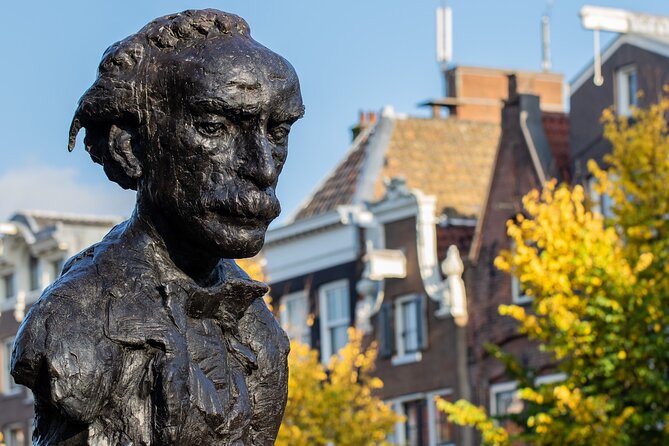
The 10-minute stop at the Gay Monument adds another important chapter. Here, the guide explains Amsterdam’s LGBTQ+ history and the role of the monument.
This keeps the tour from presenting the city as only a place of kings, merchants, churches, and old houses. Amsterdam’s identity also includes the fight for recognition and equal rights.
The stop works best for people who want social history included in a city walk. It is brief, but the subject is meaningful and gives you another way to understand Amsterdam’s public spaces.
Shopping advice in the 9 Streets
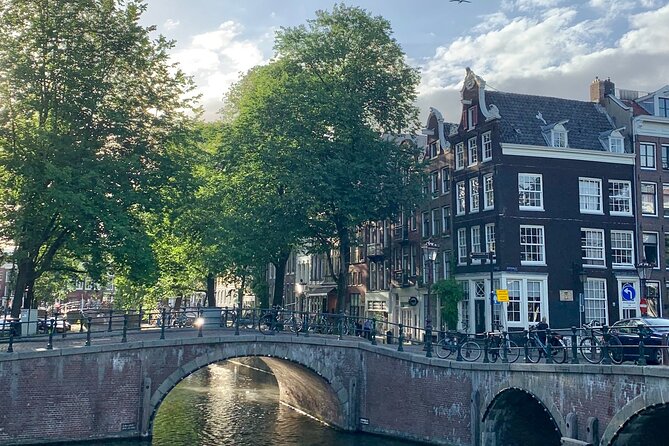
The tour then reaches the 9 Streets, or Negen Straatjes, with about five minutes set aside for practical shopping suggestions.
This is a short stop, but the advice may be among the most useful parts of the experience after the history ends. The guide can point you toward the character of the area and suggest how to explore it later rather than rushing through its shops during the group walk.
I would treat this as a preview. Five minutes is not enough for serious shopping, but it gives you a clear place to return when you are ready to browse at your own speed.
The food advice is also worth noting. Several guides have been praised for giving useful culinary suggestions, so you can ask specific questions about meals and neighborhoods while the group is still together.
Spui, Begijnhof, and Amsterdam’s religious change
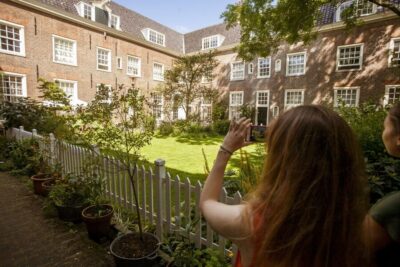
The final major stop is Spui, where the tour spends about 15 minutes. The guide visits the historic Begijnhof and explains the Reformation in Amsterdam.
You also hear about the concealed church inside the Begijnhof and receive suggestions for other places to see after the tour. This is a fitting end because it brings together religious change, private worship, and Amsterdam’s habit of hiding important spaces behind ordinary-looking entrances.
The Begijnhof is a place where quiet details matter. The guide’s role is to show you what you might otherwise walk past. After the tour, you can return with more time and look closely at the courtyard and its unusual religious history.
The activity ends back at the meeting point, so you do not need to arrange a separate transfer. The route is close to public transportation, which makes it simple to continue to your next stop.
What the guides add to the experience
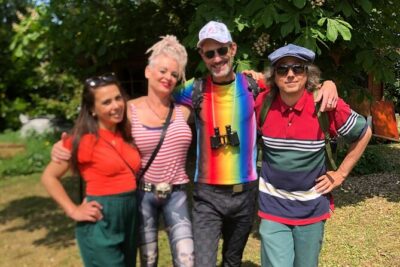
The guide is the main reason to choose this walk over following a map on your phone. The strongest accounts describe guides who explain clearly, answer questions, add anecdotes, and adjust the walk when the group becomes interested in a particular subject.
Named guides connected with the experience include Deborah, Josh, Justus, Marina, Stephanie, and Noeme. Justus is noted for detailed historical explanations, while Marina brought an upbeat personality to the story of Amsterdam. Josh is praised for sharing memorable anecdotes and taking the group toward less expected places when questions opened that possibility.
That does not mean every tour will feel identical. It is a live experience, and the guide’s personality will shape the balance between dates, stories, and practical tips.
The group’s pace also matters. One account specifically appreciated that the walk moved at the speed of the slowest person. This is encouraging for mixed groups, but you should still be ready to walk several kilometers and remain outdoors for two hours.
Language, group size, and practical planning
The activity is described as available in English, German, or Italian. At the same time, the additional information specifies that the tour is in German. Because of that mismatch, confirm the language offered on your chosen departure before paying.
The maximum group size is 15 people. That is small enough for questions and easier communication than a large city walk, while still large enough that the pace will not be entirely your own.
The tour is suitable for children, and most people can take part. It is not an admission-based activity, so you will not need to budget for entry tickets during the route.
Wear comfortable shoes. Bring water, and carry a hat when the weather is hot. The experience requires good weather, and if poor weather cancels it, you are offered another date or a full refund.
Dogs are not specifically covered in the formal details, but one guide accommodated a dog without a problem. I would still confirm before bringing one, since that arrangement may depend on the group and departure.
Free cancellation is available up to 24 hours before the start time. Within 24 hours, the payment is not refunded, and changes are not accepted.
Who should book this Amsterdam walk?
I would choose this tour for a first or second day in Amsterdam, especially if you want the city to make sense before visiting museums on your own. It suits people who enjoy history, social context, architecture, and local suggestions more than long interior visits.
Families can use it as a gentle introduction, provided everyone is ready for 3 to 4 kilometers on foot. It can also suit solo visitors who want a small group and a chance to ask practical questions.
I would not choose it as your only Amsterdam activity if your priority is the Anne Frank House, the Red Light District, coffee shops, or museum interiors. Those are outside the plan. The Red Light District is only passed along its southern side, and the coffee shop is not visited.
Should you book it?
Book this walk if you want a clear introduction to Amsterdam’s history and neighborhoods for $33.88, with no entry fees and a group capped at 15. The mix of Dam Square, the Golden Era, colonial history, Jewish Amsterdam, LGBTQ+ history, the Jordaan, the 9 Streets, and Begijnhof gives you a broad view in two hours.
Skip it if you prefer to explore alone, need a fully private pace, or expect admission to the Anne Frank House and other interiors. For most first-time visitors who want useful bearings and solid historical context, it is a sensible opening activity. Just confirm the tour language and remember that comfortable shoes matter more here than a packed sightseeing schedule.
FAQ
Where does the Amsterdam Cultural Highlights tour begin?
It begins at the National Monument on Dam Square, at Dam, 1012 JS Amsterdam, Netherlands.
Where does the walking tour end?
The activity ends back at the meeting point.
How long is the tour?
The walk lasts about two hours.
How far do you walk?
The route covers about 3 to 4 kilometers on foot.
Which languages are available?
The experience is described as available in English, German, and Italian. The additional information specifies German, so confirm the language for your selected departure before booking.
Is the Anne Frank House included?
No. The tour stops at the Statue of Anne Frank and discusses Jewish history and Anne Frank’s family, but it does not include admission to the Anne Frank House.
Does the tour visit the Red Light District or a coffee shop?
The tour does not include the Red Light District itself, though it passes along its southern side. It does not visit a coffee shop.
How many people can join the group?
The maximum group size is 15 people.
What happens if the weather is poor or I need to cancel?
The activity requires good weather. If it is canceled because of poor weather, you are offered another date or a full refund. You can cancel for a full refund up to 24 hours before the start time. Cancellations or changes within 24 hours are not refunded or accepted.
Newest Amsterdam write-ups
- Zaanse Schans: Half-Day Private Guided Tour★ 5.0 · 4 reviews
- Zaanse Schans: Private Cruise + Live Guide, Optional Drinks★ 4.7 · 26 reviews
- Zaanse Schans: Wooden Shoe Painting Workshop★ 4.9 · 23 reviews
- Amsterdam: Private Zaanse Schans Windmills and Volendam Trip★ 4.9 · 31 reviews
- Zaanse Schans: Pancake Restaurant Visit★ 4.5 · 26 reviews
- Amsterdam: Zaanse Schans E-Bike Tour with Windmills & Cheese★ 4.5 · 12 reviews
- Zaandam: Paint a Perfect Portrait workshop★ 5.0 · 5 reviews
- Volendam: Volendams Museum Entry Ticket★ 4.4 · 14 reviews
Amsterdam City Highlights Tours, compared.

Amsterdam Highlights Walking Tour: Small Group Experience
Read our review →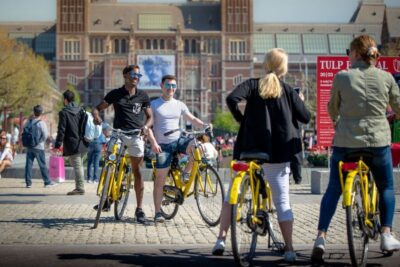

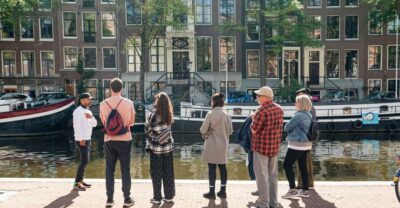

Top Highlights Guided Bike Tour EN/DE/ES/FR/IT/CN
Read our review →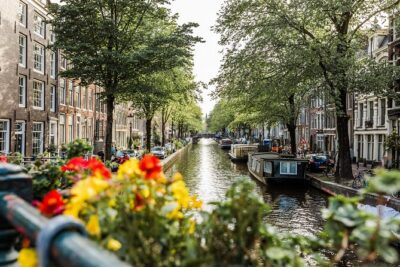
Amsterdam City Highlights and Hidden Gems – Private & Custom Tour
Read our review →Browse the lists this tour appears in