
Reviewed · AMSTERDAM
Amsterdam: Architektur Er-fahren
Amsterdam’s buildings tell the story of a city short on solid land and long on clever answers. On this German-language architecture bike tour, you cycle from Beursplein and Damrak toward the IJ, Amsterdam Central, and the Western Islands, comparing canal houses, old warehouses, houseboats, and award-winning new projects.
I like the way the tour connects design to daily problems, especially waterlogged ground and limited space. I also like the small group, limited to 10 people, which should make it easier to hear the guide and ask questions. The main drawback is practical: the €46 price does not include a bicycle, so you must arrange a roadworthy bike separately.
Key points at a glance
- Start at Beursplein and Damrak: Ride from the city center toward the IJ and Amsterdam Central.
- See old and new Amsterdam together: Historic canal houses and warehouses meet modern projects and clever housing solutions.
- Focus on real city problems: Learn how water, unstable ground, population growth, social housing, and luxury housing shape design.
- Visit the Western Islands: This part of the route brings industrial character, houseboats, and picturesque waterside views.
- German-speaking small group: The group is limited to 10 people, and the guide adds historical background and amusing stories.
- Bring your own bike: Hire is not included. Local rental costs are usually about €5 to €25.
Why Amsterdam architecture makes a good bike tour
Amsterdam is easiest to understand at street level. From a bicycle, you can move between canals, warehouses, houseboats, bridges, and new apartment blocks without breaking the flow of the city. You also cover more ground than you would on foot, while still moving slowly enough to notice details.
This tour is not only about pretty façades. Its central question is practical: how does Amsterdam build a city on land shaped by water? The answer appears in many forms, from historic canal homes to modern buildings designed around tight plots and changing needs.
You will hear about the city’s growing population and the continuing need for both social housing and luxury housing. That combination gives the tour a useful edge. Architecture here is not treated as decoration alone. It is tied to who can live in the city, how much room people need, and how builders respond to difficult ground conditions.
The route also gives you a clear contrast between the picturesque Amsterdam shown in postcards and the more industrial city behind it. That contrast is one of the best reasons to choose this experience instead of a general sightseeing ride.
Other Amsterdam outings people book alongside this one:
- Amsterdam Classic Saloon Boat Cruise with Drinks and Cheese
★ 5.0 · 31,825 reviews - Amsterdam Luxury Canal Cruise + Unlimited Drinks & Bites option
★ 5.0 · 30,518 reviews - Amsterdam: Heineken Experience Ticket
★ 4.6 · 30,055 reviews
From Beursplein and Damrak toward the IJ
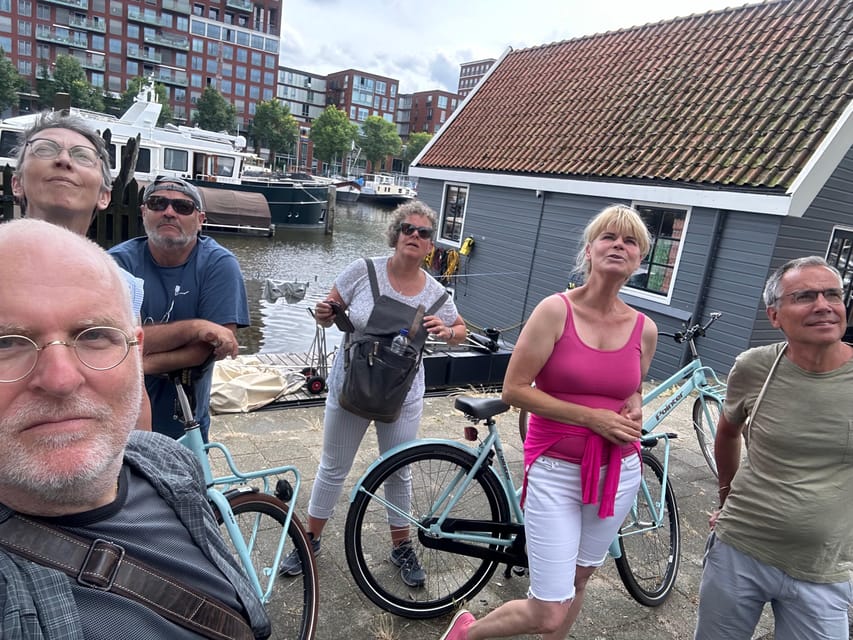
The tour begins at Beursplein, close to Damrak and the central city. You meet the guide by looking for the black and white striped band around their neck. Since this is a bicycle outing, arrive with your bike ready to ride rather than treating the meeting point as a place to rent one.
From here, the route heads toward the IJ and Amsterdam Central. The ride gives you an early look at Amsterdam’s changing architectural character. Historic canal houses and warehouses help explain the older city, while the waterside route opens the view toward newer buildings and fresh approaches to city planning.
The exact number of stops is not specified, so you should expect a moving tour rather than a long series of formal building visits. The guide’s explanations are the main feature. You cycle, pause at notable places, listen, and then continue.
This format suits you if you want a broad understanding of Amsterdam’s architecture rather than access to building interiors. It also means the quality of the experience depends partly on road conditions, weather, and how comfortable you are cycling in the city.
Canal houses, warehouses, and the logic of old Amsterdam
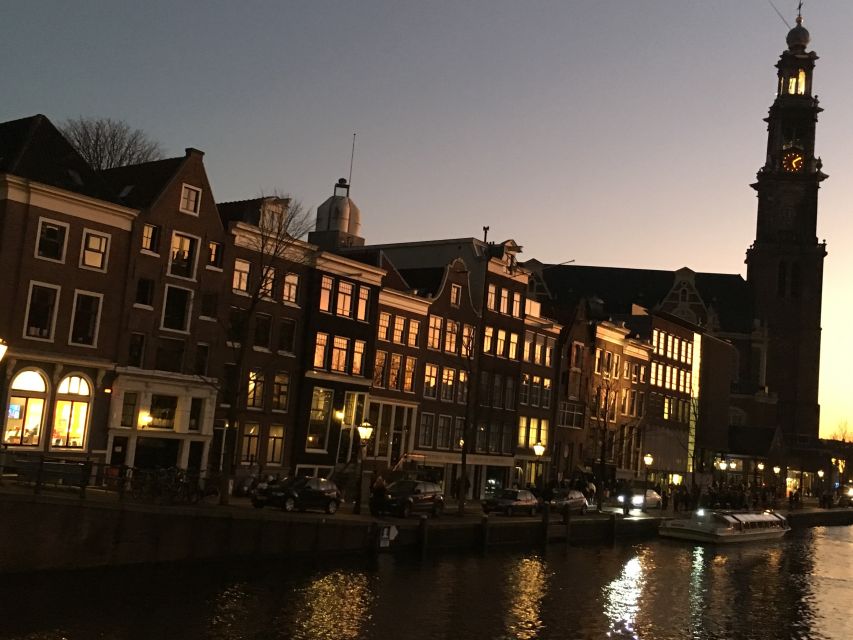
The historic canals are more than attractive scenery. They show how Amsterdam grew around trade, water, and limited urban space. The tour uses these older buildings as a starting point before moving toward modern projects.
You will look at canal houses and warehouses, then consider how their functions shaped their design. Even without entering them, their placement along the water helps you see how the city once connected homes, commerce, storage, and transport.
The guide also provides a historical overview of Amsterdam. That background matters because modern architecture makes more sense when you understand what came before it. The tour is designed to help you apply what you learn to other buildings you see during the rest of your stay.
That transfer is useful. After the ride, you may begin noticing how buildings meet the street, how they use narrow plots, and how waterfront sites change the way people move through a neighborhood. This is one of the tour’s strongest practical benefits: it gives you a set of questions to use on your own.
Waterside views and Amsterdam Central
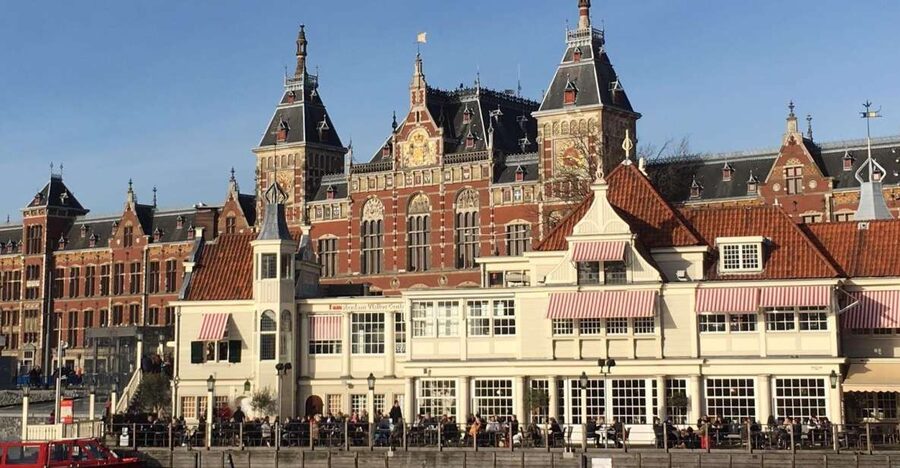
The ride along the water is one of the scenic parts of the experience. You get views toward the IJ and Amsterdam Central, with the water creating a natural break from the dense streets around the old center.
This section should appeal to you if you want architecture with a view. The route does not stay locked among the classic canals. Instead, it shows how the city opens toward larger waterside spaces and how newer construction responds to that setting.
The guide also discusses the challenge of building in a city where water is always close by. The point is not just that Amsterdam has canals. The point is that water affects the city’s structure, its available land, and the choices made by architects and planners.
Keep in mind that you are still on a working bicycle route. You will need to pay attention to riding conditions, other cyclists, and your own position on the road. If you prefer a slow walking pace with long pauses at each building, a bicycle tour may feel brisk.
Same city, a completely different afternoon:
- Amsterdam: Rijksmuseum Entry Ticket
★ 4.7 · 25,535 reviews - Amsterdam: Classic Boat Cruise with Optional Cheese & Wine
★ 4.6 · 22,925 reviews - Amsterdam: Evening Cruise with Optional Wine and Snacks
★ 4.4 · 19,696 reviews - Amsterdam: 75 Minute City Canal Cruise with Audio Guide
★ 4.4 · 17,501 reviews
The Western Islands and the industrial side of the city
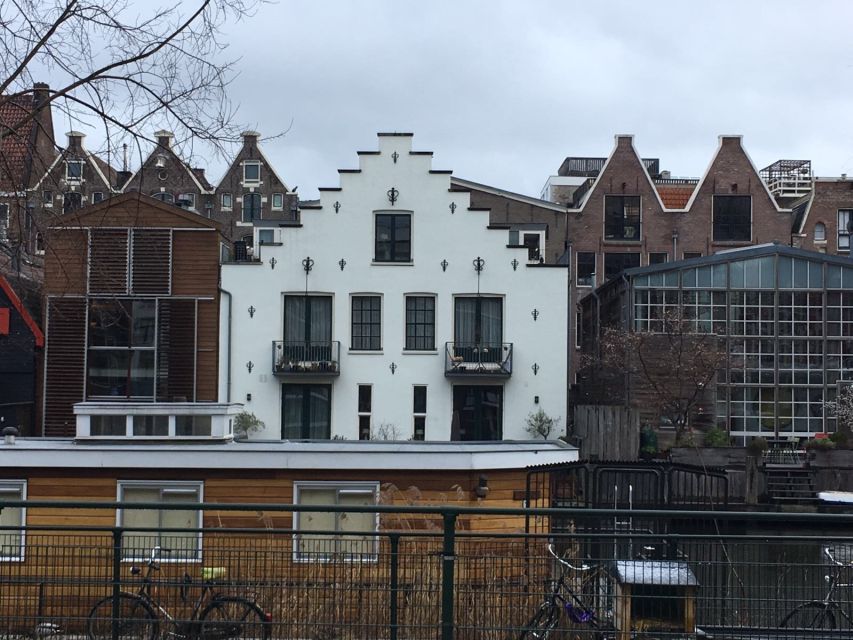
The Western Islands bring a different mood. This is where the tour’s contrast between industrial and picturesque architecture becomes especially useful. You can see how working areas, waterfront structures, homes, and newer housing projects occupy the same broad part of the city.
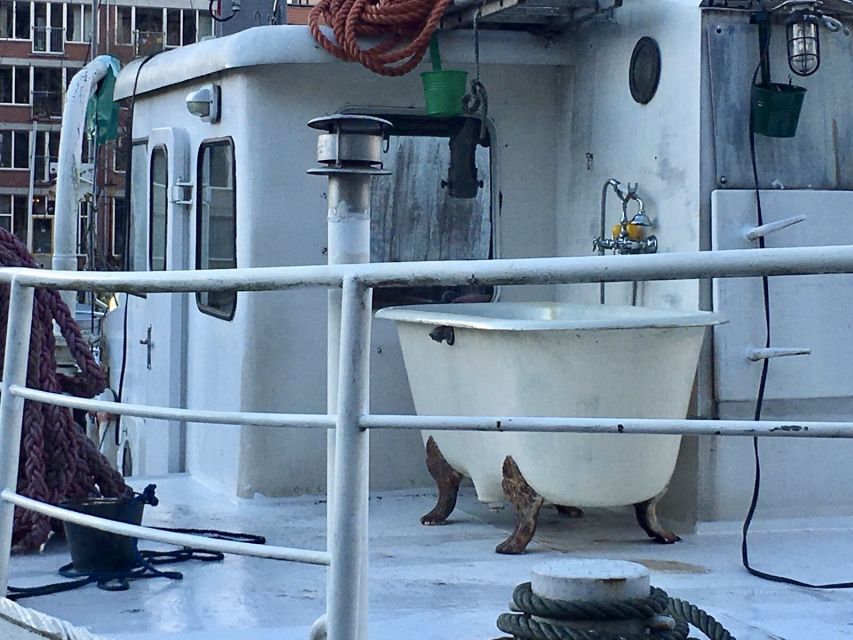
The area also gives you a chance to see houseboats. These are not simply floating curiosities for a photo. They form part of the wider discussion about living with water and finding space in a crowded city.
You should not expect the tour to present every building as beautiful. That is a strength. Industrial architecture can look plain, large, or rough beside Amsterdam’s older canal houses. The comparison helps you understand that cities need warehouses, workshops, infrastructure, and homes, not only postcard views.
The guide adds amusing stories about everyday Dutch life, along with information about Amsterdam’s past and present. That mix keeps the ride from becoming a technical lecture. You get design ideas, but you also get the human side of a city where water and housing affect daily routines.
Modern projects and practical design solutions
The tour moves from old canal architecture to modern construction and award-winning new projects. The supplied information does not identify the individual buildings by name, so you should book this for the broader architectural theme rather than a fixed checklist of famous sites.
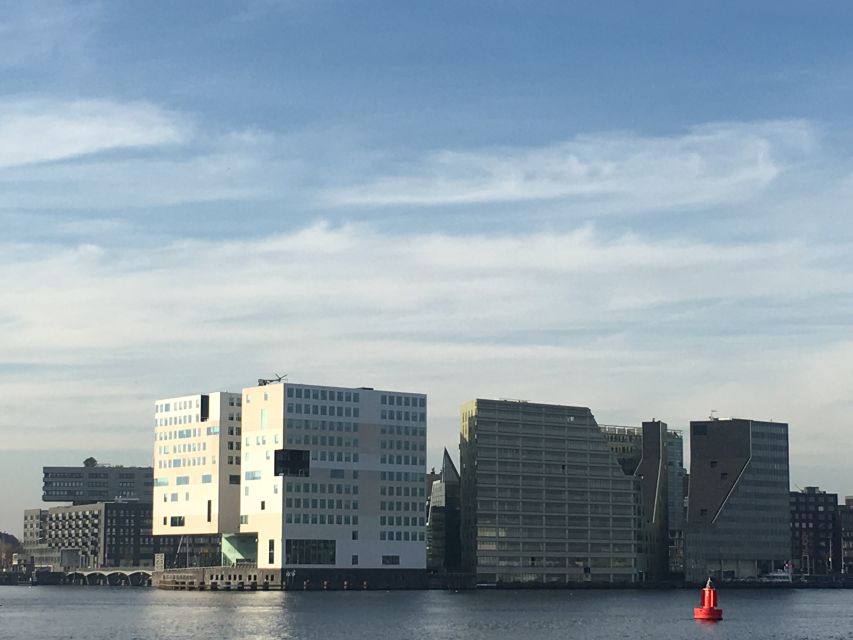
The focus is on function and design. You will consider how modern buildings respond to restricted land, population growth, and the need for different kinds of housing. The guide also explains how social housing and luxury housing can exist within the same expanding city.
That subject gives the ride more substance than a simple tour of attractive façades. You are encouraged to think about who a building serves and what problem it solves. A striking new project may be interesting because of its shape, but it may also reveal a practical response to land prices, water, density, or changing demand.
This is also where the tour can sharpen your eye for newer Amsterdam. Instead of assuming that old means authentic and new means less interesting, you can compare how both periods answer the same basic questions: how do people live, work, move, and build in a limited space?
A German-speaking guide with room for questions
The tour is conducted in German, and that is an important booking decision. If German is your comfortable language for a detailed explanation, you should get more from the architectural terms, historical context, and stories about Amsterdam’s development.
The group is limited to 10 participants. That is small enough to make a real difference on a moving bicycle tour. You are less likely to lose the guide’s commentary at a street corner, and it should be easier to ask about a building or idea that catches your attention.
The guide is described as enthusiastic and generous with information. Expect more than a list of dates and architects. The experience includes amusing details about Dutch life and useful suggestions for the rest of your time in Amsterdam.
Those extra tips can be valuable early in a visit. A good architecture tour changes how you see the city after the tour ends. You may also gain ideas for other buildings and neighborhoods to notice on your own.
What the €46 price really includes
At $46 per person, the tour is reasonably priced for a 2.5-hour guided experience, but only if you account for the bicycle separately. The €46 covers the guided ride and the guide’s commentary. It does not cover food, drinks, or bike hire.
Bike rental is usually about €5 to €25, depending on the shop and the type of bicycle. That puts your practical total above the advertised tour price. If you already have access to a suitable bike, the value improves.
I would compare this cost with what you want from a city ride. A basic rental lets you cover Amsterdam on your own, but it does not explain why the city looks the way it does. This tour adds a clear theme, historical context, and a local perspective to the ride.
The value is strongest for you if architecture is a main interest or if you want to understand Amsterdam beyond the central canal belt. It is less compelling if you mainly want a carefree scenic ride with no scheduled stops or commentary.
Weather, clothing, and cycling ability
The tour runs rain or shine, so weather planning matters. Wear comfortable clothes suited to the forecast, comfortable shoes, and bring water. A waterproof layer can make a major difference if rain is expected.
You must bring your own functional, roadworthy bicycle. This is not suitable for anyone who cannot ride a bike. Alcohol and drugs are not allowed, and you should not join while intoxicated.
The bicycle requirement is the biggest practical issue. Do not assume a damaged rental bike will be acceptable. Check the brakes, tires, chain, and general condition before setting off. A poorly maintained bike can turn a pleasant architecture ride into a tiring problem.
You also need to be comfortable riding for 2.5 hours. The tour is designed to move between sites, and you will need to follow the guide through Amsterdam’s streets. If cycling is already part of your normal sightseeing style, the length should be manageable. If you rarely ride, choose a shorter outing or arrange a reliable bicycle first.
Who should book this Amsterdam architecture tour?
I would recommend it to you if you want to understand the city’s buildings in context. It is especially suitable for architecture students, design fans, urban planning enthusiasts, and anyone curious about how Amsterdam manages water, limited land, and rising housing needs.
It also works well early in a city break. The tour gives you a historical outline, a look at several parts of Amsterdam, and practical ideas for noticing buildings on your own. The small group and German-language format are useful if you prefer direct conversation instead of a large sightseeing group.
Families or mixed-interest groups should think about the cycling requirement. Someone who enjoys history but dislikes riding may not have a good time. The same applies if your main goal is indoor sightseeing, famous museum collections, or long visits at individual buildings.
You should also choose another activity if the weather looks poor and you do not want to ride in rain. The tour continues in all conditions, so this is not a flexible indoor plan.
Booking, cancellation, and the final decision
You can cancel up to 24 hours before the tour for a full refund, and you can reserve now and pay later. Those terms help if your Amsterdam schedule is still shifting, but the important planning step remains arranging a suitable bicycle.
Book this tour if you want architecture explained through real city problems, not just a ride past attractive buildings. The mix of canals, warehouses, houseboats, Western Islands, and modern projects gives you a wider picture of Amsterdam than the old center alone.
Skip it if you cannot ride, do not speak German, or want a fully guided tour with bike hire included. For everyone else, the small group, lively storytelling, and useful historical frame make this a strong choice for an architecture-focused morning or afternoon.
FAQ
Where does the architecture bike tour begin?
The tour begins at Beursplein, near Damrak in central Amsterdam. Look for the guide wearing a black and white striped band around their neck.
How long does the tour last?
The tour lasts 2.5 hours. Starting times depend on availability.
What language is the tour conducted in?
The live tour guide speaks German. The activity is listed as a German-language tour.
Is bicycle hire included?
No. You must bring your own functional, roadworthy bicycle. Bikes can usually be rented from a hotel or one of Amsterdam’s bicycle rental shops for about €5 to €25.
What places and subjects does the route cover?
The route heads from Beursplein and Damrak toward the IJ and Amsterdam Central, then includes the Western Islands. You see canal houses, warehouses, houseboats, modern architecture, and newer housing projects while learning about water, land conditions, population growth, social housing, and luxury housing.
Can I cancel the booking?
Yes. You can cancel up to 24 hours in advance for a full refund. You can also reserve your place and pay later.
Newest Amsterdam write-ups
- Zaanse Schans: Half-Day Private Guided Tour★ 5.0 · 4 reviews
- Zaanse Schans: Private Cruise + Live Guide, Optional Drinks★ 4.7 · 26 reviews
- Zaanse Schans: Wooden Shoe Painting Workshop★ 4.9 · 23 reviews
- Amsterdam: Private Zaanse Schans Windmills and Volendam Trip★ 4.9 · 31 reviews
- Zaanse Schans: Pancake Restaurant Visit★ 4.5 · 26 reviews
- Amsterdam: Zaanse Schans E-Bike Tour with Windmills & Cheese★ 4.5 · 12 reviews
- Zaandam: Paint a Perfect Portrait workshop★ 5.0 · 5 reviews
- Volendam: Volendams Museum Entry Ticket★ 4.4 · 14 reviews