
Reviewed · AMSTERDAM RICKSHAW TOURS
1,5 hours Amsterdam Rickshaw Tour
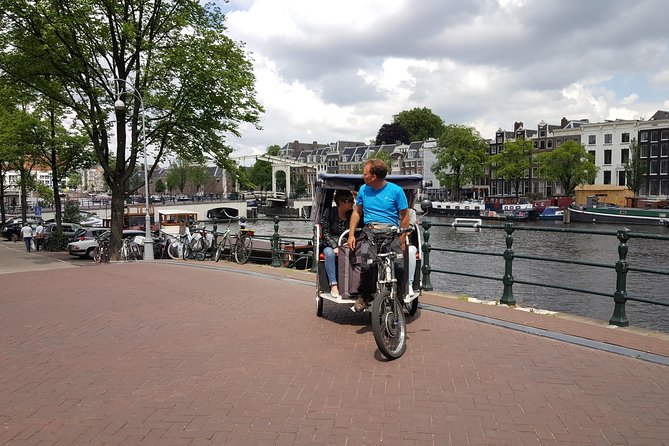
Amsterdam’s canals are lovely, but seeing them on foot means dodging bicycles, bridges, and crowded streets. This private rickshaw tour gives you a comfortable moving seat while your guide pedals through the 17th-century Canal Ring, past canal mansions, bridges, and major sights.
I like the easy hotel pickup and the chance to cover a lot in 90 minutes without parking or long walks. I also like the personal touch: guides including Jan, Guido, Marco, and Jost have adjusted routes for family memories, Jewish Amsterdam, mobility needs, and limited time.
The main thing to consider is the small vehicle. It is designed for two adults, and commentary can be harder to hear while the guide is pedaling in front of you. If you want detailed explanations at every turn, ask your guide to pause often.
Key points to know before you book
- Private sightseeing for two: The rickshaw is reserved for your party, with a maximum of two adults or two adults and two small children.
- Hotel and cruise pickup: Central Amsterdam hotels and common cruise docking points can be used for pickup, with another meeting place available by arrangement.
- Five useful stops: Expect short pauses at Nieuwmarkt, Rembrandtplein, Museumplein, Magere Brug, and Reguliersgracht.
- A strong first-day tour: The route helps you understand how Amsterdam’s main districts and sights fit together.
- Flexible guiding: Guides such as Jan and Guido have adjusted the ride for personal interests, family history, weather, and late arrivals.
- Good for limited walking: You need to manage one small step into the rickshaw, but the tour avoids the long distances required by a walking route.
Why a rickshaw works well in Amsterdam
Amsterdam rewards slow travel, but its center can be tiring. The canals are crossed by bridges, the streets are shared by bicycles and cars, and several famous sights are spread across different parts of town. A rickshaw gives you a clear view while taking the strain off your feet.
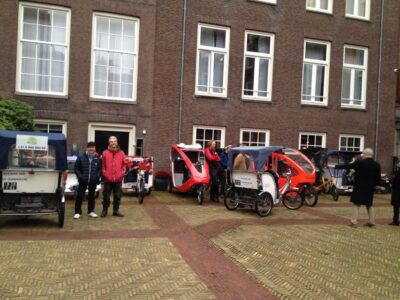
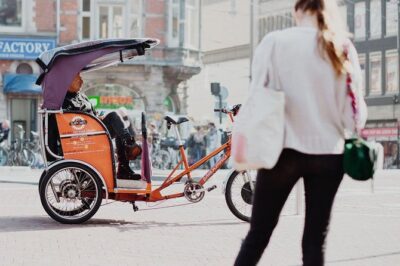
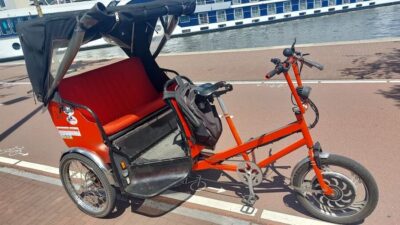
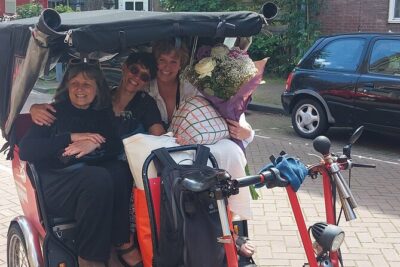
You sit behind the driver, usually with room for two adults. The vehicle is narrow enough for central streets, and the tour can pause for photographs without the parking problem that comes with a car. You are still outdoors, so you see the buildings, bridges, and water at street level rather than through a coach window.
I see this as an orientation tour rather than a museum visit. You will pass the Rijksmuseum, Van Gogh Museum, and Stedelijk Museum, but admission is not included and the short Museumplein stop is for viewing and explanation. Plan separate museum time if you want to go inside.
The private format matters. You do not have to follow a fixed group pace, and you can tell the guide what interests you. Jan has taken guests to former family homes, while another longer ride included the National Holocaust Memorial Museum and discussion of Jewish life in Amsterdam. Those possibilities depend on timing and agreement with the guide, but they show why this format can be more useful than a rigid sightseeing loop.
More rickshaw and pedicab rides:
- Amsterdam: Private Guided City Tour by Pedicab
★ 4.9 · 130 reviews - Amsterdam: 2-Hour Sightseeing Tour by Rickshaw
★ 4.7 · 81 reviews - Amsterdam: Private Pedicab Historical Sightseeing Tour
★ 5.0 · 41 reviews
From your hotel to the Canal Ring
Pickup is offered at hotels in and around central Amsterdam. The provider also meets passengers at common cruise locations, including the Passenger Terminal Amsterdam and river-cruise docking areas on De Ruyterkade. If your accommodation is outside the center, you can suggest a meeting point or ask for one.
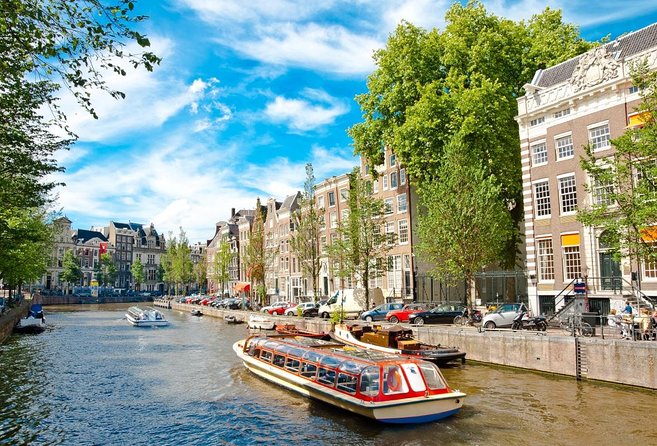
The ride begins with the canal belt, Amsterdam’s famous network of waterways and bridges. UNESCO recognition is not the only reason this area matters. The canals show how the city grew during the 17th and 18th centuries, when merchants built tall, narrow houses along carefully planned waterways.
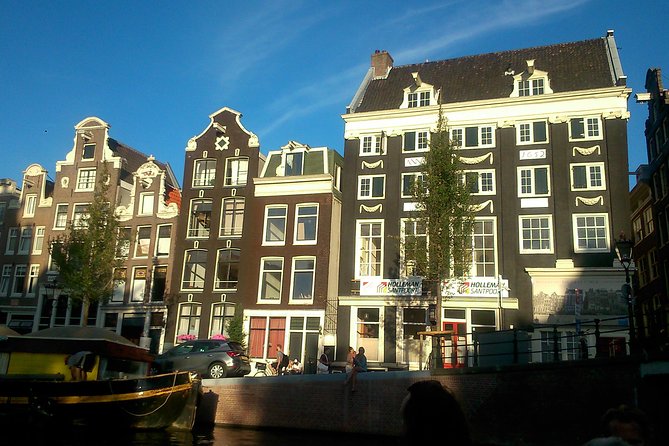
You will pass hundreds of characteristic canal mansions. Look for differences in gables, window sizes, and house widths rather than expecting every building to look alike. A guide can point out how the canal streets, intersections, and bridges connect, which is useful when you later explore on foot.
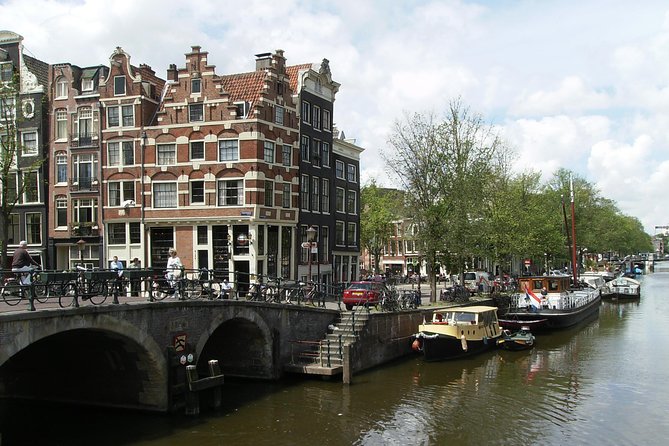
The rickshaw also takes you through scenic canal intersections. This is one of the practical strengths of the route: you cover many central areas quickly, yet the open vehicle keeps the ride connected to the city around you.
Nieuwmarkt and the old city gateway
The first planned pause is Nieuwmarkt, a lively square with a long civic history. At its center is the Waag, a former eastern gateway to the city dating from the 15th century. The building later served other public purposes, and its heavy form gives the square a strong medieval presence.
The stop lasts about five minutes, with time for an explanation and a quick look around. It is not long enough for a full visit to the area, but it gives you a useful marker for Amsterdam’s older defensive edge.
The route also passes the former hiding place associated with Anne Frank. This is a pass-by sight, not a ticketed visit, so you should book separate time if you want to visit the Anne Frank House. The rickshaw is helpful here because it places the site within the wider city story instead of treating it as an isolated address.
If World War II history matters to you, say so early. One guide has taken guests farther into Amsterdam’s Jewish quarter and to the National Holocaust Memorial Museum during an extended ride. The standard 90-minute route cannot cover every historical site in depth, but a private tour gives you a better chance of shaping the conversation.
Rembrandtplein and Amsterdam’s social side
Rembrandtplein offers a change of mood. The square is named for the Dutch painter Rembrandt and is surrounded by restaurants, bars, and nightclubs. The stop is brief, about three minutes, so think of it as a visual introduction rather than a place to settle in.
This part of the route helps you see that Amsterdam is not only canals and museums. The center also has busy squares where dining and nightlife take over after dark. During a daytime ride, the focus is likely to be the statue, surrounding buildings, and the square’s position within the canal network.
The short pause also shows the limits of a 90-minute tour. You will see many places, but most stops are measured in minutes. That is ideal for an overview. It is less suitable if you want long photo sessions, extended walks, or inside visits.
Same city, a completely different afternoon:
- Amsterdam Classic Saloon Boat Cruise with Drinks and Cheese
★ 5.0 · 31,825 reviews - Amsterdam Luxury Canal Cruise + Unlimited Drinks & Bites option
★ 5.0 · 30,518 reviews - Amsterdam: Heineken Experience Ticket
★ 4.6 · 30,055 reviews - Amsterdam: Rijksmuseum Entry Ticket
★ 4.7 · 25,535 reviews
Museumplein and the city’s great museums
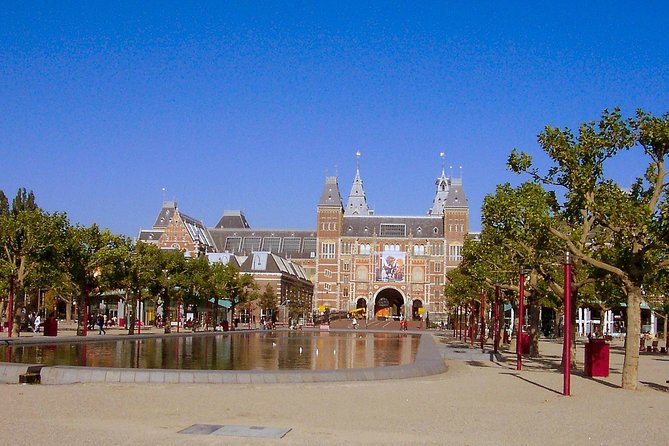
Museumplein is one of the tour’s most useful orientation points. The square is surrounded by three major museums: the Rijksmuseum, the Van Gogh Museum, and the Stedelijk Museum of Modern Art.
You receive about three minutes here, enough to identify the museums and understand their location. The rickshaw does not include museum tickets, guided entry, or time inside. If you plan to visit one, reserve that as a separate activity and use this stop to get your bearings.
I particularly like seeing Museumplein from the rickshaw because it links the museum district to the canal route. You are not simply dropped at one museum entrance. You see how this broad public square fits into the wider city, and you can decide where to return later.
The ride may also pass through or near the Jordaan district, depending on the agreed route and guide. The Jordaan is included among the areas highlighted for the experience, but exact routing can change with your interests, pickup point, and available time. Ask about it when arranging the tour if it is a priority.
Magere Brug and the Amstel views
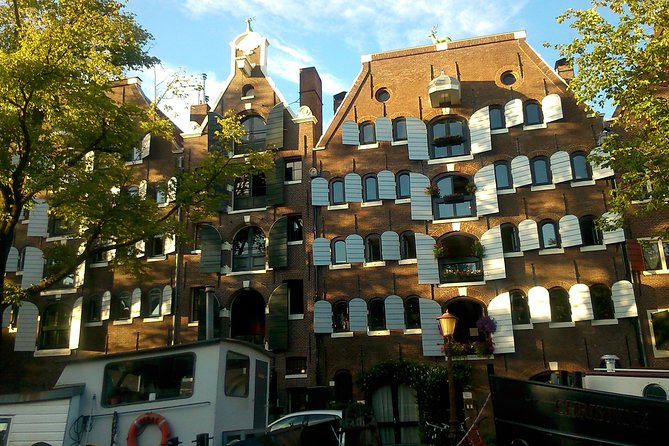
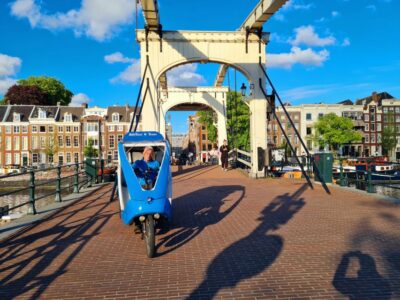
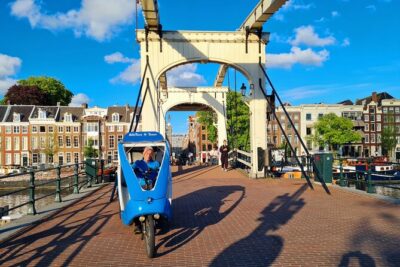
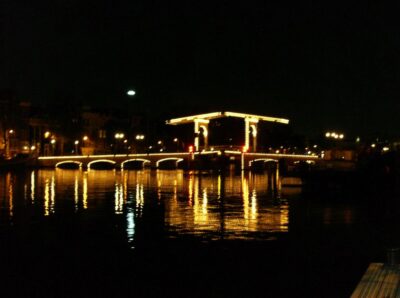
Magere Brug is one of the most recognizable bridges in Amsterdam. This broad wooden drawbridge crosses the Amstel River, and the tour allows about five minutes to stop and take in the view.
This is more than a quick landmark photograph. The river opens the scene after the tighter canal streets, giving you a different sense of the city’s scale. The nearby views are among the strongest on the route, especially for photos of the water, bridge, and surrounding buildings.
The stop is also a good point to ask questions. A private guide can explain what you are seeing without a large group waiting to move on. If the weather is poor, the rickshaw still lets you cover the sight without standing outside for a long time, though you should dress for an open-air ride.
One practical detail matters here: the rickshaw is not a sightseeing vehicle with unlimited room. Keep bags compact and avoid assuming you can bring bulky luggage. The stated capacity is two adults with a combined maximum weight of 500 pounds, or two adults and two small children up to age nine within that same total weight.
Reguliersgracht and the Seven Bridges
The final named stop is Reguliersgracht, often called the Seven Bridges. This is one of Amsterdam’s most photogenic canal views, where several bridges line up along the water.
The pause lasts about four minutes. That is enough to frame a photograph and hear an explanation, but not enough for a long walk along the canal. Your guide can help you find the best angle from the street, and the rickshaw avoids the need to search for parking or retrace your steps.
This stop brings together the main strengths of the tour: water, bridges, old canal houses, and a compact view of how Amsterdam was built. It is also the kind of place that can be easy to miss when you are focused on reaching a major museum or landmark.
Guides who shape the ride
The guide can make or break this experience. Jan is particularly associated with flexible routing and careful communication. He has adjusted pickup times around changing weather, met people outside the central hotel area, and adapted a route for someone tracing a parent’s former homes.
Guido has also been praised for making the ride personal and fun, while Marco is known for giving a strong city orientation. Jost has provided an entertaining overview for people who preferred riding to walking. The available guide depends on scheduling, so you should not book expecting one specific person unless the provider confirms it.
The most useful approach is to explain your priorities before the ride begins. Tell the guide if you care most about art, architecture, wartime history, Jewish Amsterdam, family connections, or simply seeing the major sights. The tour is private, so those details can shape the balance between moving and stopping.
There is one communication issue to keep in mind. Since the guide pedals in front, explanations may be harder to hear from the rear seat, especially while moving. I would ask for pauses at important points and speak up if traffic or distance makes the commentary unclear.
Is $180.72 good value for two?
The price is $180.72 per group of up to two people, not per person. For a couple, that works out to about $90.36 each before any optional spending on food, drinks, or museum tickets.
That is not the cheapest way to see Amsterdam. A walking route costs less, and public transport can move you around for a fraction of the price. The value comes from private pickup, a dedicated driver-guide, a comfortable seat, and a route that covers several districts without making you walk between them.
For two people with limited time, the price can make sense. It is especially useful on your first morning or afternoon, when you want a city overview before choosing where to return. It can also suit a cruise passenger who needs an organized ride from the port and wants to see central Amsterdam without wasting time finding connections.
The value is weaker if you want museum entry, long stops, or a detailed historical lecture at every site. In that case, a specialist walking tour or private guide with more time may be a better fit. The rickshaw works best when you want breadth, comfort, and flexibility.
Timing, comfort, and practical limits
The advertised duration is about 1 hour 30 minutes. The standard route includes short stops, so most of the experience is spent moving through the city. If you want to add personal addresses, museums, or a longer history discussion, ask about booking extra time. One family reported taking a 2.5-hour ride, while another used a two-hour option to allow more time around the route.
The vehicle can take two adults, with a total weight limit of 500 pounds or 230 kilograms. Two adults and two small children up to age nine may also ride if the same total limit is respected. Children must be accompanied by an adult.
This can be a good choice if long walks are difficult. You still need to take one small step into the rickshaw, and you should tell the provider about serious health concerns before the tour. Service animals are allowed, and most people can participate.
Weather can affect comfort. The tour operates in the morning or afternoon, and guides have adjusted start times around storms. Contact the provider if the forecast is poor rather than assuming the original time is fixed. The open design is part of the appeal, but it also means you should prepare for rain or wind.
Pickup details need care. Give the exact hotel name, especially if it is not one of the most common central properties. If you are arriving by cruise ship, provide the ship and docking location. The operator can also suggest a meeting point when a direct hotel pickup is not practical.
Who should book this Amsterdam ride?
I would choose this tour for a couple visiting Amsterdam for the first time, especially if you want a broad introduction before exploring museums and neighborhoods on your own. It is also a smart option for older visitors or anyone who finds several hours of walking difficult.
Families with two adults and small children may fit, but confirm the total weight and space before booking. The private format is helpful when children need a flexible pace, though the short stops may not satisfy everyone who wants time to run around or explore.
History-minded visitors should tell the guide what they want before departure. The standard route includes the Anne Frank House area, Nieuwmarkt, and central sights, while longer rides may allow more time for Jewish Amsterdam and World War II subjects.
I would skip it if your main goal is entering museums, spending 20 minutes at each landmark, or receiving a formal lecture at every stop. The rickshaw gives you a well-paced overview, not a series of full site visits.
FAQ
How long is the Amsterdam rickshaw tour?
The standard tour lasts approximately 1 hour and 30 minutes. Longer rides may be available, including two-hour and 2.5-hour options, depending on arrangements.
How many people can ride in one rickshaw?
One rickshaw can carry up to two adults with a maximum combined weight of 500 pounds or 230 kilograms. Two adults and two small children up to age nine may also ride if the total weight stays within that limit.
Is hotel pickup included?
Yes. Pickup is offered from hotels in and around central Amsterdam. Pickup can also be arranged at common sea-cruise and river-cruise docking locations.
Does the tour enter the museums or Anne Frank House?
No. The route passes Museumplein, the Rijksmuseum, the Van Gogh Museum, the Stedelijk Museum, and the former hiding place associated with Anne Frank. Admission tickets and inside visits are not included.
Is the tour suitable for someone who cannot walk long distances?
It can be suitable if you can manage one small step into the rickshaw. Tell the provider about serious health issues before the tour. Service animals are allowed.
Can I cancel for a full refund?
You can cancel at least 24 hours before the experience starts for a full refund. Cancellations or changes made less than 24 hours before the start time are not accepted for a refund.
Should you book it?
Book this rickshaw tour if you want to get your bearings fast, avoid a long walking route, and see Amsterdam with a private guide who can adjust the conversation to your interests. The canal views, Magere Brug, Museumplein, and Seven Bridges give you a useful first look at the city, while hotel pickup keeps the plan simple.
Before paying, confirm your pickup point, mention any mobility or hearing concerns, and ask for pauses so you can follow the commentary. For two people, the price is fair when comfort and coverage matter more than the lowest cost. It is a practical first-day introduction, not a replacement for museum visits or a full historical walking tour.
Newest Amsterdam write-ups
- Zaanse Schans: Half-Day Private Guided Tour★ 5.0 · 4 reviews
- Zaanse Schans: Private Cruise + Live Guide, Optional Drinks★ 4.7 · 26 reviews
- Zaanse Schans: Wooden Shoe Painting Workshop★ 4.9 · 23 reviews
- Amsterdam: Private Zaanse Schans Windmills and Volendam Trip★ 4.9 · 31 reviews
- Zaanse Schans: Pancake Restaurant Visit★ 4.5 · 26 reviews
- Amsterdam: Zaanse Schans E-Bike Tour with Windmills & Cheese★ 4.5 · 12 reviews
- Zaandam: Paint a Perfect Portrait workshop★ 5.0 · 5 reviews
- Volendam: Volendams Museum Entry Ticket★ 4.4 · 14 reviews
Amsterdam Rickshaw Tours, compared.

Browse the lists this tour appears in